

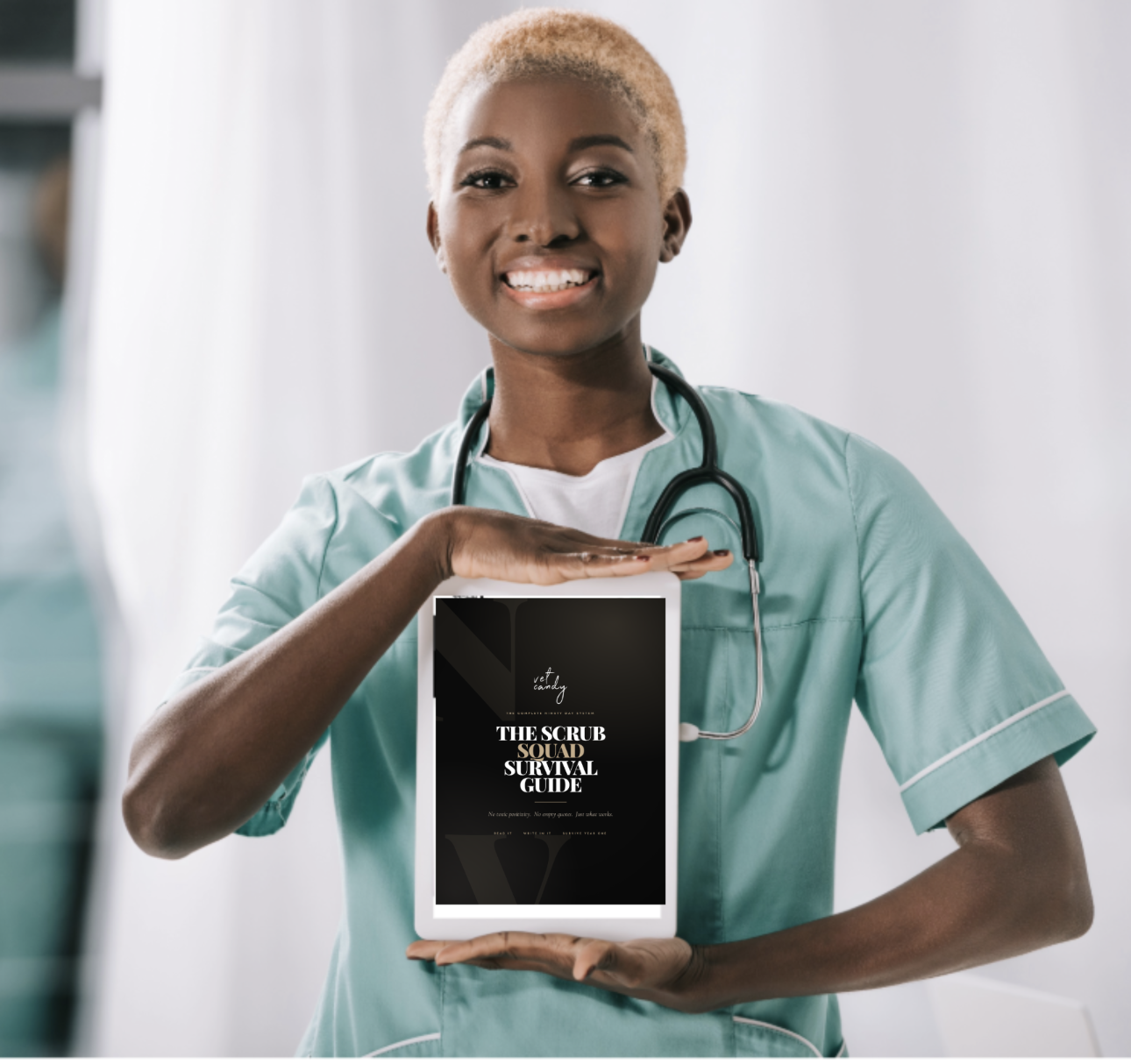
Scrub Squad: First Year Vet School Support That Actually Gets It
First year vet school is brutal. Between overwhelming coursework, anatomy that feels impossible, and imposter syndrome screaming in your ear, you're probably wondering if you made a huge mistake.
You didn't.
Scrub Squad is first-year vet student support designed for real life. We're not here with toxic positivity or empty motivational quotes. We're here with actual study hacks that work, mental health real talk, survival strategies from vets who've been exactly where you are, and proof that every single person in your cohort is panicking too—they're just hiding it better.
What You Get in Scrub Squad:
Study strategies that actually stick. Real mental health check-ins when things get dark. Win celebrations (even the small ones). Breakdown support at 2 AM. The inside scoop on what professors don't tell you. A crew of first-year vet students going through the exact same chaos, so you know you're not losing it alone.
First Year Vet School is Hard. We Make It Less Lonely.
You belong here. Even when your brain tells you otherwise. Even at 2 AM in the library. Even when everyone else looks like they have it figured out (spoiler: they don't).
Join Scrub Squad. You're one of us now.
Vet Candy's Scrub Squad Guide to Your First Year of Vet School

The Science of Making Real Friends in Vet School
This article is the science of how to do it anyway. Not advice. Not platitudes about putting yourself out there. The research on adult friendship formation, what it reveals about what actually works, and exactly what to do with that knowledge starting this week.

Self-Compassion Is Not Soft
Research specifically in veterinary medicine has found that self-compassion is one of the strongest protective factors against compassion fatigue and burnout among practicing veterinarians. The veterinary profession has a well-documented burnout and mental health crisis. Self-compassion is not a luxury intervention — it is a career longevity strategy.
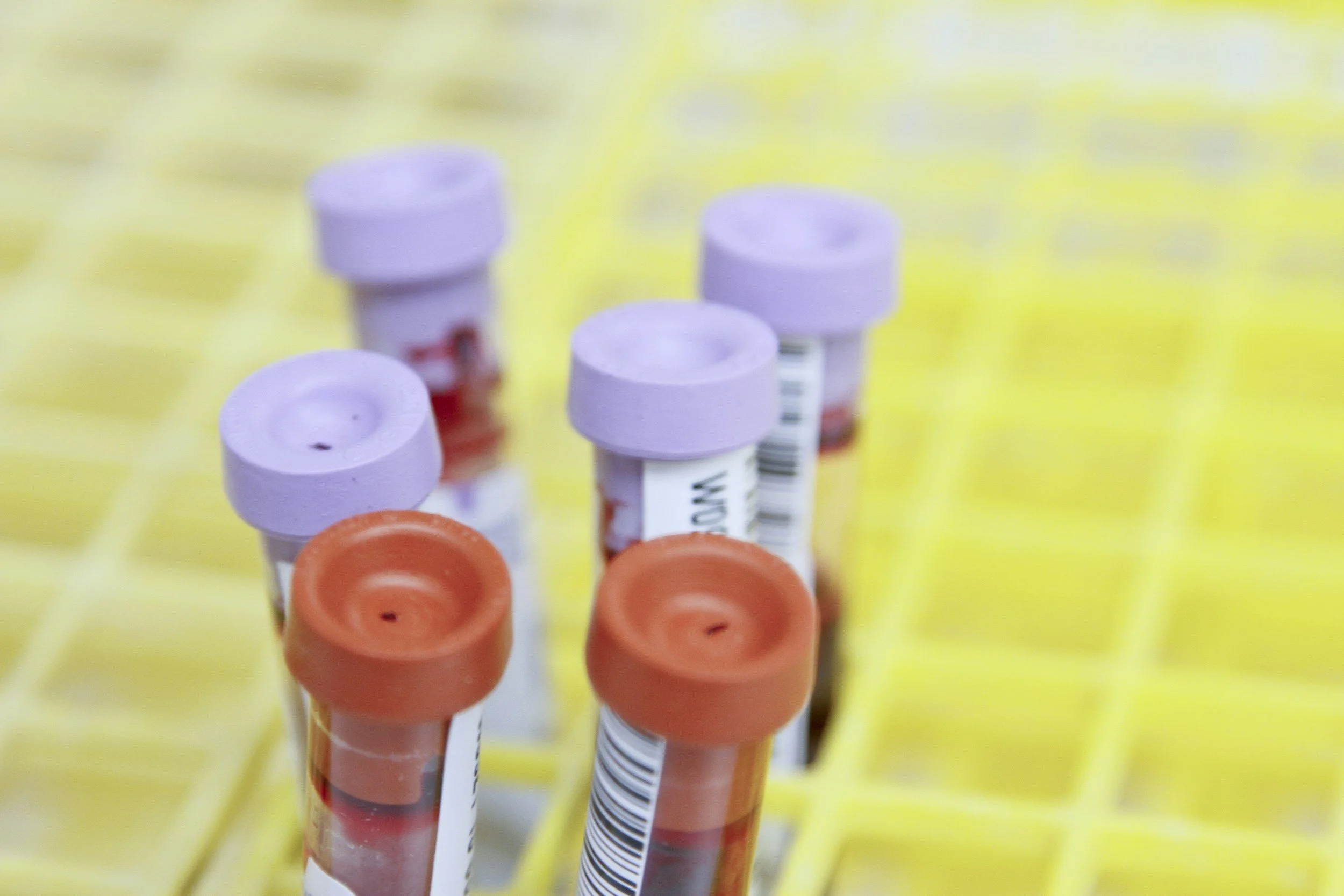
Blood Cells: The Complete Guide
This article covers the complete blood picture: the seven major cell types, their structure, their function, their clinical significance, and the specific abnormalities you will be asked to recognize. It also covers the species-specific variations that trip up first-year students consistently — because what is pathological in a dog may be textbook normal in a horse or a bird, and getting this wrong in a clinical setting has real consequences.

How to Keep Your Relationship Healthy Across the Distance
This article is the manual. Not a sentimental one, and not a collection of generic advice about communication being important. This is a practical, research-grounded guide to what actually determines whether long-distance relationships survive professional school, what the evidence shows about effective maintenance strategies, and what specific language and practices have been shown to make a measurable difference.

How Hiking Your New Hometown Builds Your Social Life and Your Brain
Most vet students spend four years in a city they never fully inhabit. They establish a circuit, apartment, campus, grocery store, occasionally a bar, and remain in it. They graduate and realize they could not name the best hiking trail in the county, the best swimming hole within an hour’s drive, or the part of town they would have loved if they had ever found it.
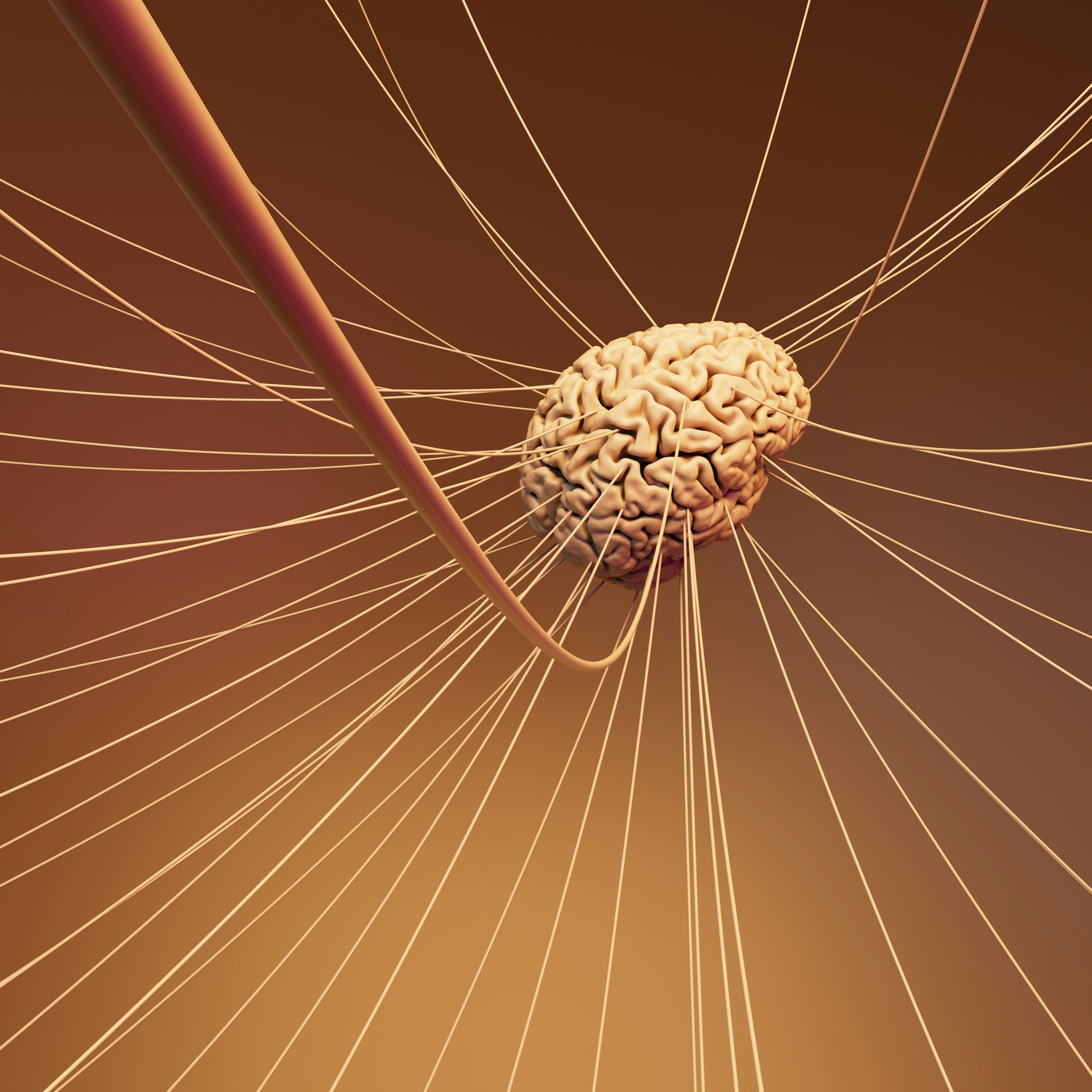
Sympathetic vs Parasympathetic
Most students approach the ANS as a memorization problem. They make two columns, write down a list of effects for each division, and try to hold it all in working memory. This works for about a week and then falls apart under exam pressure, because there is no coherent mental model behind the list.

How 10 Minutes of Daily Meditation Resets Your Brain
This article is going to dismantle that belief, not with motivational language but with peer-reviewed research from some of the most rigorous neuroscience institutions in the world. Because the evidence for what ten minutes of daily meditation does to the brain is now strong enough that calling it optional is like calling sleep optional. Technically you can skip it. Practically, the cost is higher than most people realize.

The Cranial Nerves
We will cover all twelve individually, with anatomy, clinical relevance, and a memory trick for each one. Then we will look at how to use the cranial nerve examination as a diagnostic tool — because in clinical practice, this is how you actually use what you are learning right now.

The Brain Grocery List
Your brain uses 20% of your total caloric intake. During intensive learning periods, those demands rise further. What you eat is not a lifestyle choice, it is a cognitive performance variable.

Why 7 Minutes Between Study Blocks Beats a 45-Minute Gym Session Once a Week
What the research actually supports is something that fits inside your Pomodoro break. Seven minutes of movement between study blocks, done consistently across the day, produces cognitive benefits that a single weekly gym session cannot replicate, but not because the gym is bad, but because the timing and distribution of exercise matter more than the duration.
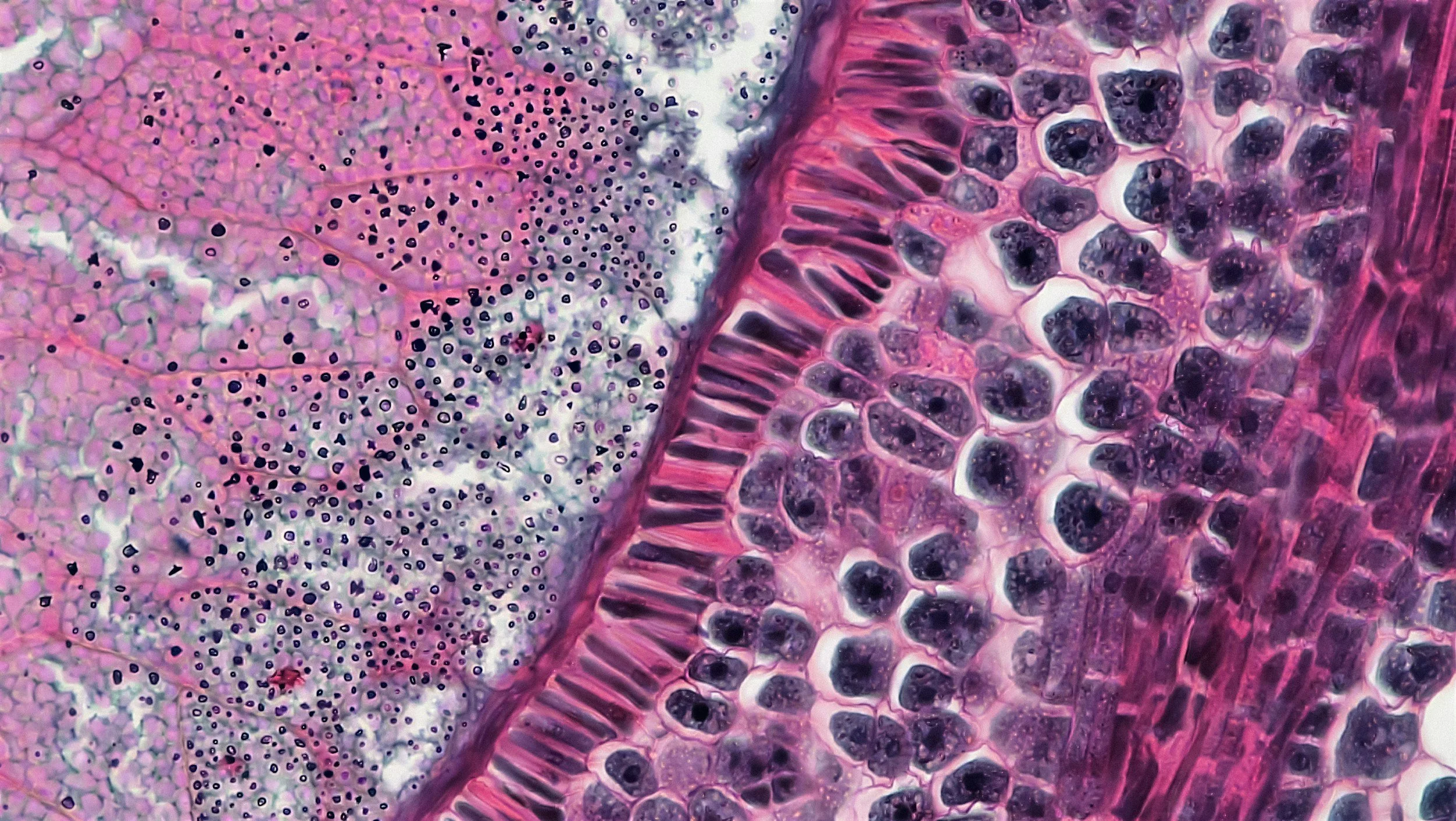
The One Question to Ask Yourself About Every Histology Slide
Before you try to identify a cell type, a tissue, or an organ, there is one question that should come first. Always. Every single slide. It is not a trick or a shortcut. It is the question that trained histologists ask automatically, the one experienced pathologists have internalized so deeply they do not even notice they are asking it anymore.

The Study Schedule That Actually Works
Here's the thing nobody tells you in orientation: the number of hours you sit in front of your notes is almost completely irrelevant. What matters is the quality of the cognitive work happening inside those hours. And most vet students, especially in year one, are producing almost none of it.

The 10-Minute Morning Routine That Primes Your Brain
When you wake up, your brain transitions out of a sleep state through something called the hypnopompic period — a window of about 20 to 30 minutes where your neural patterns are unusually flexible and receptive. Neuroscientists sometimes call this a state of heightened neuroplasticity. In plain language: your brain is more ready to learn in the first part of the morning than at almost any other point in the day.

The Squad Does Not Suffer in Silence
This article is not going to tell you to practice self-care or take bubble baths or download a meditation app, though none of those things are bad. This article is going to tell you something more practical: how to find a good therapist before you need one desperately, what to look for, what to avoid, and exactly where to find affordable options when you are living on a student budget that has already been stretched past its limit.