

Scrub Squad: First Year Vet School Support That Actually Gets It
First year vet school is brutal. Between overwhelming coursework, anatomy that feels impossible, and imposter syndrome screaming in your ear, you're probably wondering if you made a huge mistake.
You didn't.
Scrub Squad is first-year vet student support designed for real life. We're not here with toxic positivity or empty motivational quotes. We're here with actual study hacks that work, mental health real talk, survival strategies from vets who've been exactly where you are, and proof that every single person in your cohort is panicking too—they're just hiding it better.
What You Get in Scrub Squad:
Study strategies that actually stick. Real mental health check-ins when things get dark. Win celebrations (even the small ones). Breakdown support at 2 AM. The inside scoop on what professors don't tell you. A crew of first-year vet students going through the exact same chaos, so you know you're not losing it alone.
First Year Vet School is Hard. We Make It Less Lonely.
You belong here. Even when your brain tells you otherwise. Even at 2 AM in the library. Even when everyone else looks like they have it figured out (spoiler: they don't).
Join Scrub Squad. You're one of us now.

When Food Starts Feeling Like Another Assignment: Disordered Eating in Vet School
Vet school can turn almost anything into a performance metric. Grades, class rank, clinical skills, productivity, sleep, exercise, and sometimes even food can quietly become one more thing you feel like you should be “doing right.” Add long days, irregular schedules, stress, limited money, constant comparison, and a culture that can reward pushing through discomfort, and it is easy for a complicated relationship with food or your body to hide in plain sight.

A Vet Student’s Guide to Queer and Trans Resources for Support, Help, Community and More
There are queer and trans veterinarians who came before you, students at other schools experiencing many of the same things, peer-support volunteers willing to listen, community organizations that know your city, and national groups that can help when a problem becomes medical, legal, academic, or overwhelming.

Sex, Vet School & Staying Healthy: The Stuff Nobody Put on the Syllabus
Vet school has a way of eating your entire calendar. Between exams, labs, rotations, boards, jobs, relationships, and trying to get enough sleep to remain functional, personal health can slide down the priority list pretty quickly.
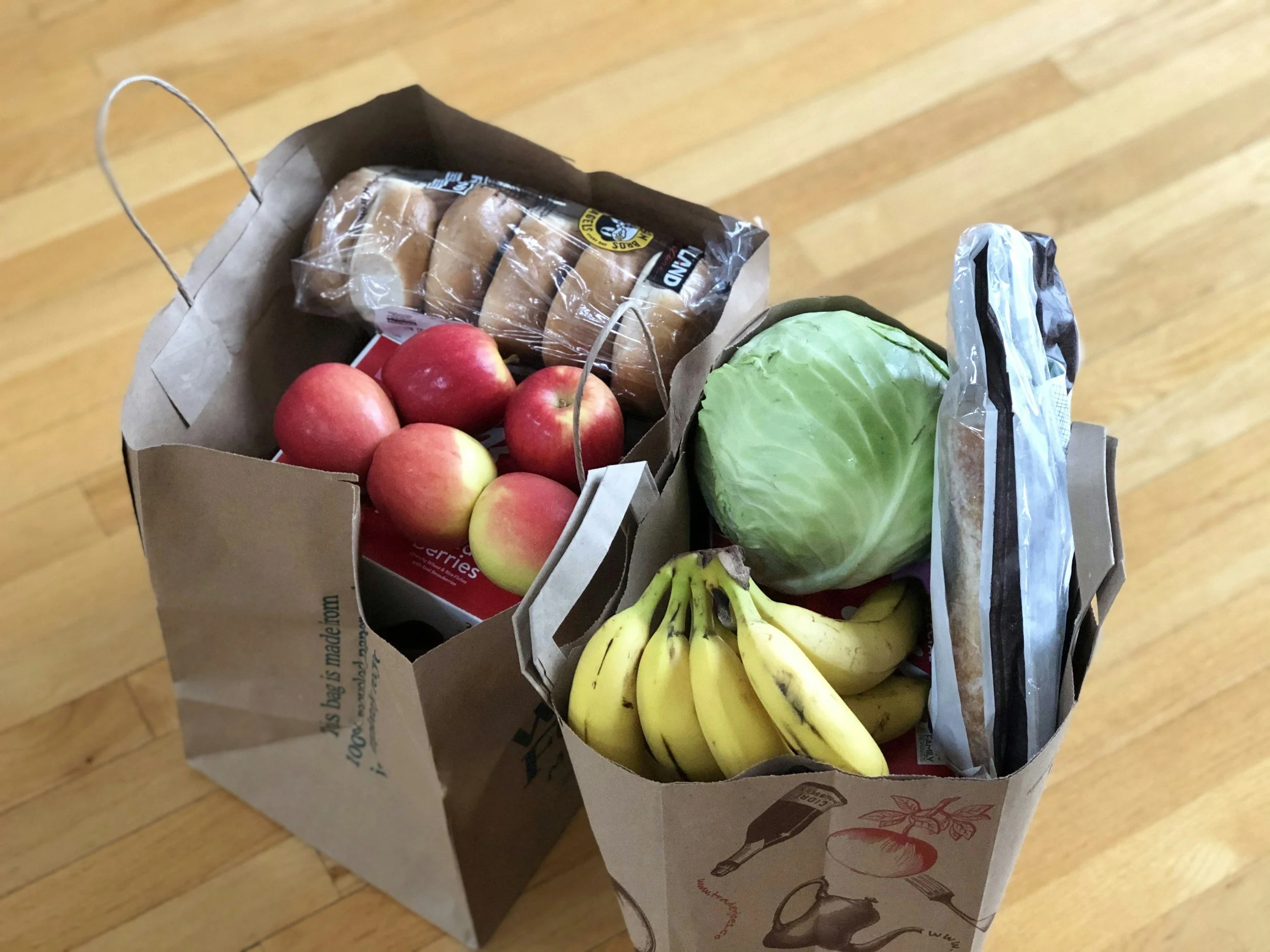
How One Chicken, One Bag of Bones, and a Little Planning Feed a Brain-Healthy Diet for $500 a Month
There is a particular kind of kitchen alchemy that happens when nothing gets thrown away: a roast chicken becomes dinner, then lunch, then the broth for Thursday's ramen. A single Sunday afternoon becomes a month of breakfasts. What follows is not a diet plan so much as a system, one built on a $500 monthly grocery budget, a single person's appetite, and the stubborn belief that homemade is both cheaper and better.

How to Look Like a Million Dollars as a Vet Student on a Budget
Let's be honest. Vet school does not pay you to look good. Between tuition, textbooks, and the emotional cost of your first cystotomy, your scrubs budget is probably somewhere between zero and negative. But here's the secret upperclassmen won't tell you in the hallway: looking polished on rounds has nothing to do with how much you spent. It has everything to do with knowing where to look.
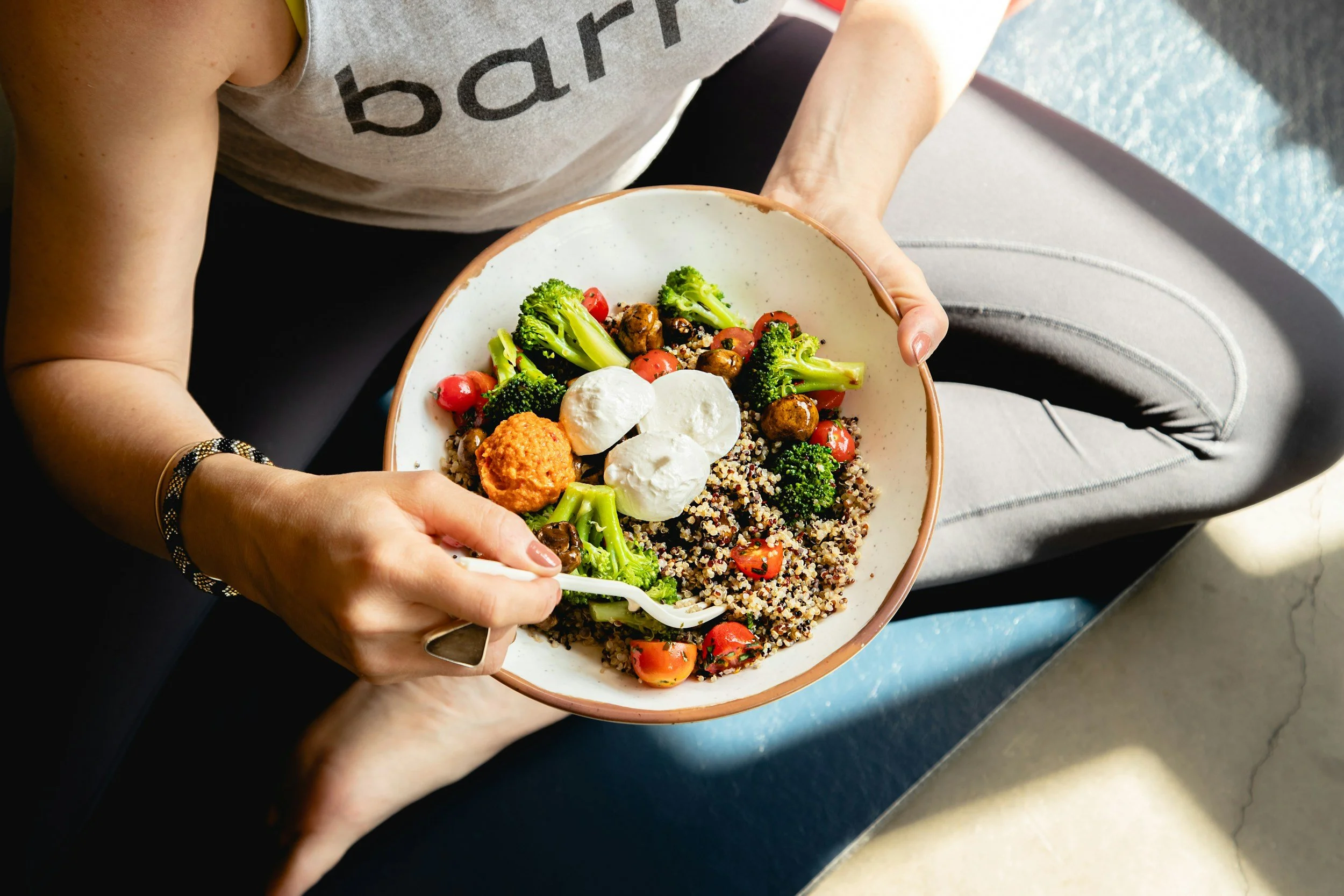
We Have Your Brain’s Grocery List
Veterinary school is expensive. Groceries are more expensive than ever. And somehow you are expected to learn the entire anatomy of multiple species while also feeding yourself three times a day. It is deeply unreasonable. But here's the good news: eating well does not require a Whole Foods budget, elaborate meal prep, or becoming the kind of person who owns 27 matching glass food containers.

Study Breaks & Stress-Busters: Boosting Productivity the Smart Way
When the pressures of studying weigh heavy on your shoulders, it's easy to fall into the trap of relentless studying. However, taking purposeful breaks isn't just about catching a breather; it's about enhancing your overall study experience and maximizing productivity. So, keep calm and take a study break—the smart way.

The Science of Mindful Eating
Most vet students eat the same way they do everything else under pressure: fast, distracted, and functionally. A protein bar consumed standing up between labs. Dining hall food demolished in eight minutes while reviewing notes. Coffee counted as a breakfast. Meals treated as refueling operations rather than experiences. Get the calories in, get back to work.

How to use the Pomodoro Technique
The Pomodoro Technique helps individuals manage their time effectively by breaking work into manageable intervals, thereby reducing the likelihood of burnout and increasing focus and productivity.

Study Greener: Eco-Friendly Tips for Sustainable Learning
Studying greener is not only good for the environment but can also create a healthier and more productive learning atmosphere.

Is Pulling an All-Nighter Bad for Your Health?
A late night spent at the library, fueled by copious amounts of energy drinks, with class notes spread out in front of you—it's a familiar scene for many students. The hope is that by dedicating the next 24 hours to cramming, you’ll be able to ace that upcoming exam. However, research shows that this approach may do more harm than good. A sleep expert from Texas A&M College of Medicine explains the detrimental effects of all-nighters on both your health and academic performance.

4 Strategies for Managing Test-Taking Anxiety
It's common for students to experience pre-test jitters, but for some, this anxiety can become overwhelming.

Seven Top Test-Taking Strategies for Success
After ensuring you've had ample rest, a nutritious breakfast, and arrived early, it's time to tackle the test with confidence!
Different exams call for tailored approaches; what works for a math test may differ from the NAVLE exam. Yet, overarching strategies can elevate your performance across diverse test formats.

7 Optimal Strategies for Test Preparation
From finals to the NAVLE licensing exam, exams are a crucial aspect of every vet student’s journey.

Transform Your Study Space with These 8 Genius Hacks for Ultimate Focus and Productivity
Preparing your workspace for effective studying involves more than just finding a quiet spot.

Mastering Healthy Habits
As veterinary students, you’re no strangers to long hours, demanding coursework, and the hustle of clinical rotations. Amidst the chaos, it's crucial to prioritize your well-being. Lifestyle medicine, which focuses on holistic health through six pillars—nutrition, exercise, relationships, stress management, sleep, and substance use—can help you develop habits that not only enhance your personal health but also make you more effective as future veterinarians.

No Veterinary Student Should Have to Choose Between Tuition and Dinner
There are a lot of things veterinary students openly talk about, exams, anatomy labs, sleepless nights, and imposter syndrome. But there's one struggle that often stays hidden: not having enough food.

Everyone Else Looks Like They Have It Together. They Don't.
The first few weeks of veterinary school can feel like you've accidentally wandered into a room full of geniuses. Everyone seems so confident. You look around and wonder if admissions made a mistake. How did everyone else get so smart while you're still trying to remember which classroom you're supposed to be in?

What's Your Learning Style? (And Why Figuring It Out Now Will Save You Months)
Everyone's brain works differently. Some people absorb information by reading it. Others need to hear it explained out loud before it clicks. Some learn by seeing diagrams and visualizations. Others need to physically do something to understand it. It's just how brains work.

How to Find Your People in Vet School (And Why It Actually Matters)
Your cohort is about to become your family. Not in the forced, awkward "we're stuck together" way. In the real way. The way where you study together at midnight, cry together after a brutal exam, celebrate the small wins together, and genuinely care if the other person makes it through. This is going to matter more than any course or grade.