

Veterinary Blog for Education, Careers, and Real Vet Life
Welcome to the Vet Candy Blog—your go-to destination for veterinary education, career growth, and real-life insights from the world of animal health.
From free RACE-approved CE courses and clinical updates to NAVLE prep and career advice, our content is designed for veterinarians, vet techs, and students who want to stay informed, inspired, and ahead in their careers.

Latest Veterinary News & Clinical Insights
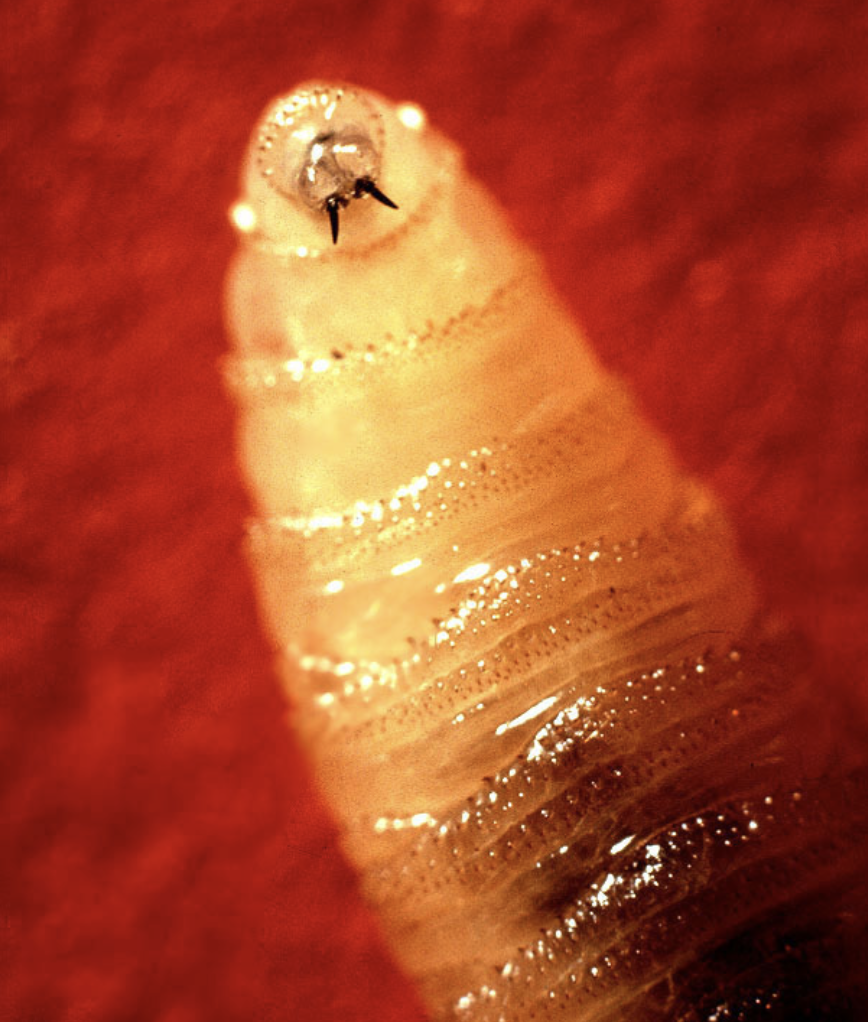
CDC Activates Emergency Operations Center for New World Screwworm Response
The Centers for Disease Control and Prevention (CDC) officially activated a Level 3 emergency response to New World screwworm (NWS) on June 11. Level 3 is the lowest level in CDC's 3-level response structure.

He Almost Became a Cop. Now Dr. Adam Cook Is One of Vet Med's Most Unexpected Voices.
Dr. Adam Cook went from wanting to be an LAPD officer to graduating OSU vet school during a pandemic. He trains jiu jitsu, he's vegan, and he has opinions about fantasy novels. Meet him.

She Slept in a Tent on a Remote Island to Monitor Killer Whales. Later She Released Seals Back Into the Wild.
Dr. Helena spent two months in a tent on a Canadian island monitoring killer whales. Later she was a seal vet on the Wadden Sea. This is what a wildlife medicine career actually looks like.
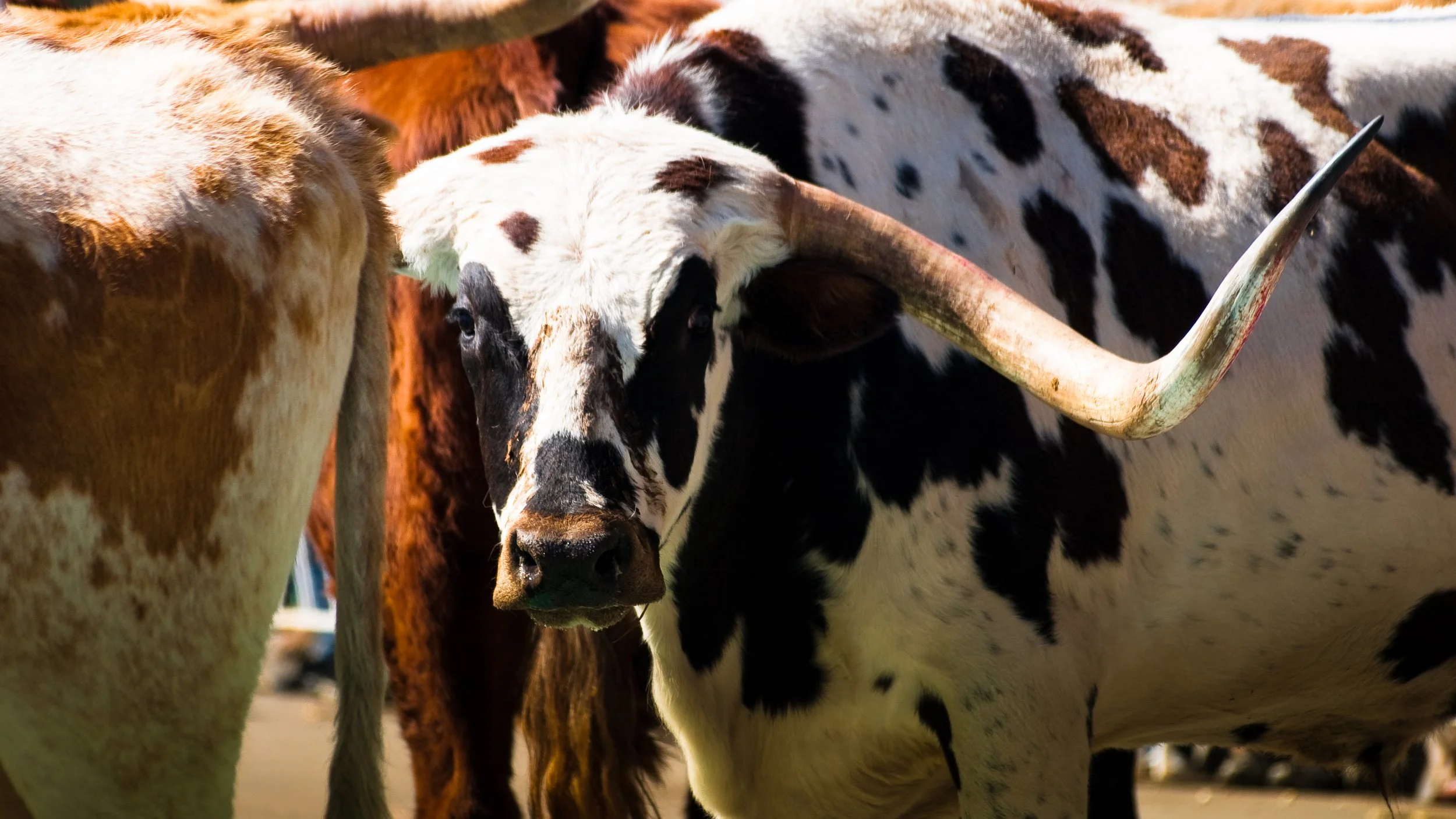
Why Every Veterinary Professional Should Be Paying Attention to the New World Screwworm's Return
Following the confirmation of multiple New World screwworm (NWS) cases in Texas, including one involving a dog, the U.S. Department of Agriculture (USDA) has implemented emergency measures aimed at preventing further spread of the parasite. Among the most notable actions is the temporary suspension of exports of several animal species from the United States to Mexico, including pet dogs.

FDA Issues Emergency Use Authorization for Generic Over-the-Counter Drug to Treat New World Screwworm in Dogs and Cats
The U.S. Food and Drug Administration today issued an Emergency Use Authorization (EUA) for generic Nitenpyram Tablets (nitenpyram) for the treatment of New World screwworm (NWS) infestations (myiasis) in dogs, puppies, cats, and kittens that weigh at least two pounds and are at least four weeks old. This is the first generic animal drug authorized for use against NWS.

What If Your Dog Holds the Secret to Healthy Aging?
A new study from the Dog Aging Project has found that dogs and humans share remarkably similar metabolic signatures associated with lifespan, adding to growing evidence that our canine companions may be one of the most valuable models for studying aging.
Your Questions, Answered
-
Vet Candy welcomes relevant industry news, press releases, and high-quality content that provides value to veterinary professionals. Submissions should focus on clinical insights, innovation in animal health, or meaningful industry developments.
All submissions are reviewed by our editorial team to ensure they align with our content standards and audience interests. To inquire about opportunities, please contact our team through the website.
-
Vet Candy focuses on content that is educational, engaging, and relevant to veterinarians, vet techs, and veterinary students. This includes clinical updates, industry news, career insights, and expert perspectives that help professionals stay informed and grow in their careers.
-
Yes, Vet Candy offers opportunities for companies and organizations to share important updates, product news, and industry announcements through sponsored content, press features, and integrated campaigns—helping you reach a highly engaged veterinary audience.
-
You can reach us anytime via our contact page or email. We aim to respond quickly—usually within one business day.
-
Vet Candy is committed to providing content that is accurate, balanced, and relevant to veterinary professionals. Our editorial team works to maintain high journalistic standards by reviewing content for clarity, credibility, and educational value. We aim to present information in a way that reflects a range of perspectives within the veterinary industry.
-
We strive for accuracy in everything we publish, but if you notice an error or outdated information, we encourage you to reach out to our team. Vet Candy is committed to transparency and will review and update content as needed to ensure it remains accurate and reliable.
-
Yes, Vet Candy regularly reviews and updates content to maintain accuracy and relevance. When necessary, corrections or edits are made to ensure our content reflects the most current and reliable information available.