

Veterinary Blog for Education, Careers, and Real Vet Life
Welcome to the Vet Candy Blog—your go-to destination for veterinary education, career growth, and real-life insights from the world of animal health.
From free RACE-approved CE courses and clinical updates to NAVLE prep and career advice, our content is designed for veterinarians, vet techs, and students who want to stay informed, inspired, and ahead in their careers.

Latest Veterinary News & Clinical Insights

The Long Goodbye: Recognizing and Supporting Pets Through Cognitive Decline
Confusion, disrupted sleep, and sudden accidents in the house are easy to write off as “just old age.” Veterinary behavior experts say pet owners and clinicians alike need to start recognizing these as potential signs of dementia — and to know there's a lot that can be done once it's caught.
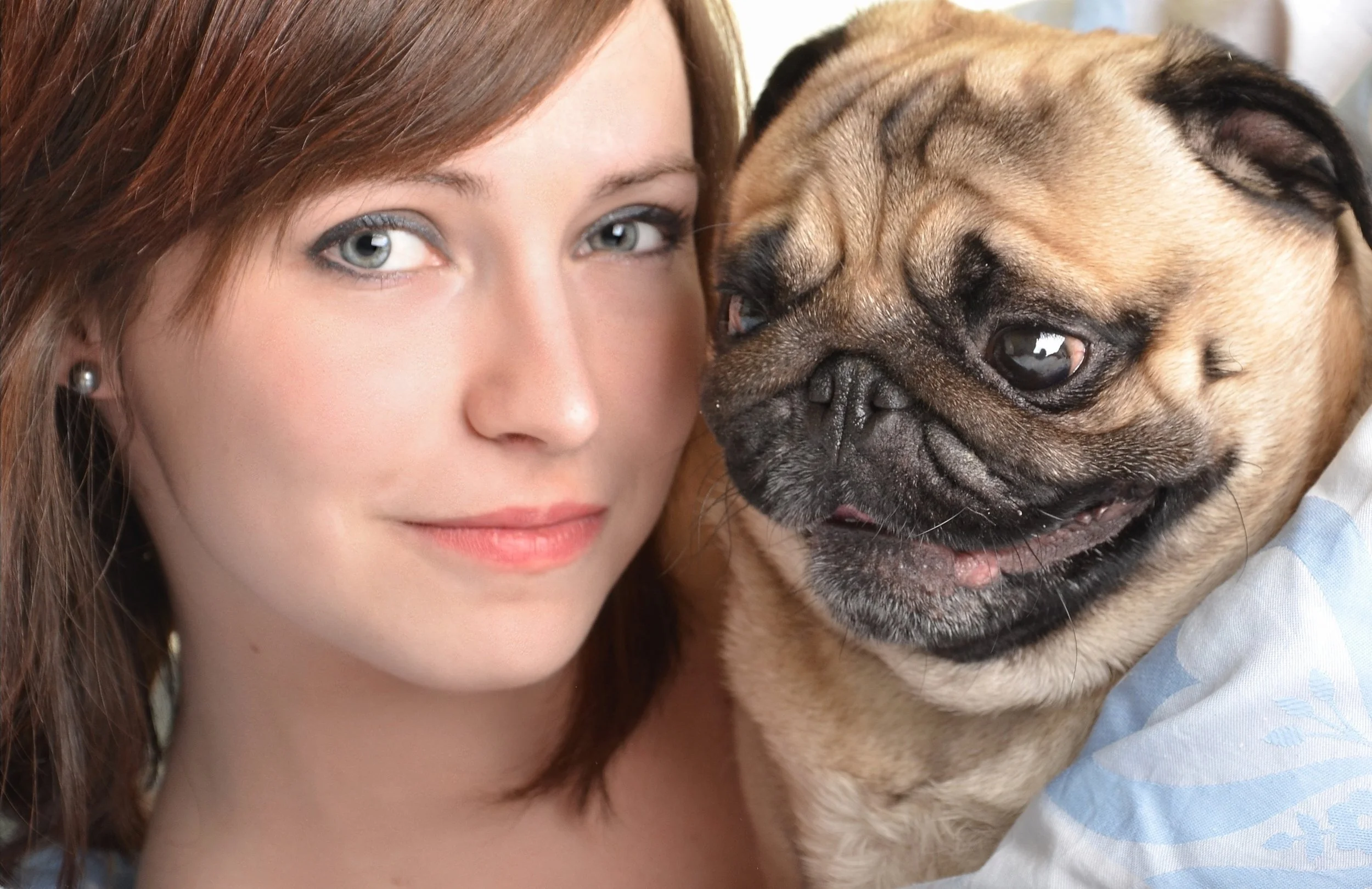
New Brain Scans Show Dogs Can Tell Fear From Sadness on Our Faces
fMRI research on awake, unrestrained dogs offers the first evidence that canine brains distinguish between specific negative human expressions, not just good faces from bad ones.
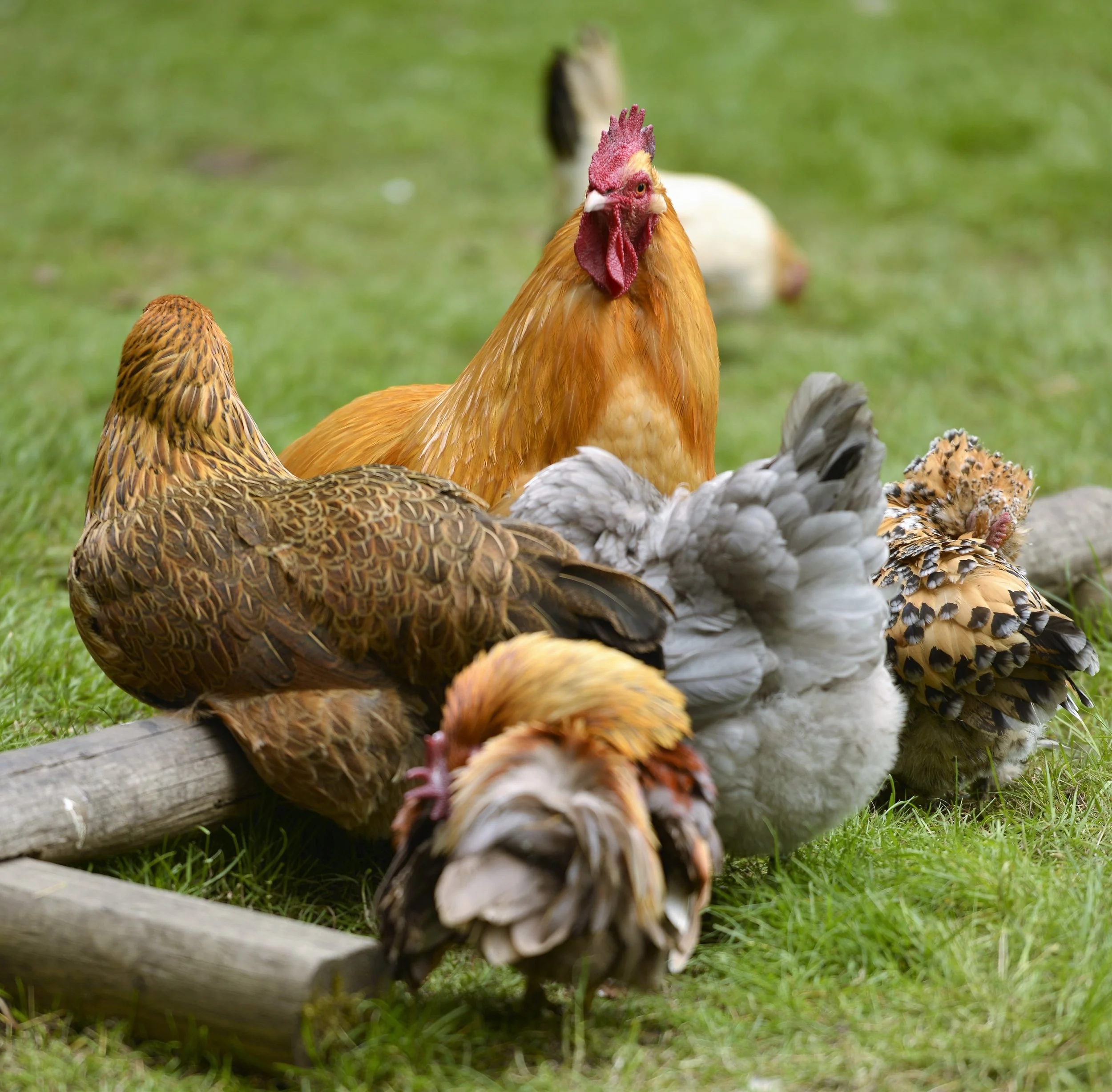
How does a deadly chicken virus escape vaccines designed to slow it?
A highly contagious herpes virus causes Marek’s disease, a deadly illness that mainly infects chickens. While it does not make people sick, the virus causes tumors and paralysis in chickens and, if unchecked, can spread rapidly through entire flocks.

Scientists Found the Same Gut Disease Fingerprint in Dogs, Cows, and Humans. Here's Why Veterinarians Should Care.
Researchers discovered that intestinal disease creates the same bacterial fingerprint across species, from cows to dogs to humans. This breakthrough could revolutionize how vets diagnose gut problems without invasive procedures, and it proves that veterinary and human medicine share deeper biological connections than we thought.
Could dogs help fight the spotted lanternfly? A new study makes the case
Xephyr's search was part of a new study from Virginia Tech's College of Agriculture and Life Sciences that pitted ordinary pets, trained by their owners, against experienced human searchers in a hunt for spotted lanternfly egg masses. It was the first test of community dog-handler teams in real-world conditions, where egg masses occur naturally, scents compete, and target locations are unknown.

Could a dog’s skull shape tell us something about a spinal condition?
A new Cornell University study helps deepen the understanding of skull shapes within different sized dogs and draws a link between cranial and facial shapes, body weight and the risk of syringomyelia, a spinal condition common in some dog breeds.
Your Questions, Answered
-
Vet Candy welcomes relevant industry news, press releases, and high-quality content that provides value to veterinary professionals. Submissions should focus on clinical insights, innovation in animal health, or meaningful industry developments.
All submissions are reviewed by our editorial team to ensure they align with our content standards and audience interests. To inquire about opportunities, please contact our team through the website.
-
Vet Candy focuses on content that is educational, engaging, and relevant to veterinarians, vet techs, and veterinary students. This includes clinical updates, industry news, career insights, and expert perspectives that help professionals stay informed and grow in their careers.
-
Yes, Vet Candy offers opportunities for companies and organizations to share important updates, product news, and industry announcements through sponsored content, press features, and integrated campaigns—helping you reach a highly engaged veterinary audience.
-
You can reach us anytime via our contact page or email. We aim to respond quickly—usually within one business day.
-
Vet Candy is committed to providing content that is accurate, balanced, and relevant to veterinary professionals. Our editorial team works to maintain high journalistic standards by reviewing content for clarity, credibility, and educational value. We aim to present information in a way that reflects a range of perspectives within the veterinary industry.
-
We strive for accuracy in everything we publish, but if you notice an error or outdated information, we encourage you to reach out to our team. Vet Candy is committed to transparency and will review and update content as needed to ensure it remains accurate and reliable.
-
Yes, Vet Candy regularly reviews and updates content to maintain accuracy and relevance. When necessary, corrections or edits are made to ensure our content reflects the most current and reliable information available.