

Papaya Veterinary Care's Sudden Closings: Another Corporate Veterinary Shutdown Leaves Owners Without Answers
Less than a year after celebrating rapid expansion across Southern California, Papaya Veterinary Care has abruptly closed multiple hospitals, leaving pet owners scrambling for medical records, employees searching for answers, and the veterinary community asking what happened.
The shuttered locations include the Culver City hospital at 11924 Washington Blvd. in Los Angeles, the Carmel Valley facility at 5980 Village Way in San Diego, and the company's flagship emergency hospital in Encinitas at 485 Santa Fe Drive. The closures appear to have happened with little or no advance notice to clients or many staff members.
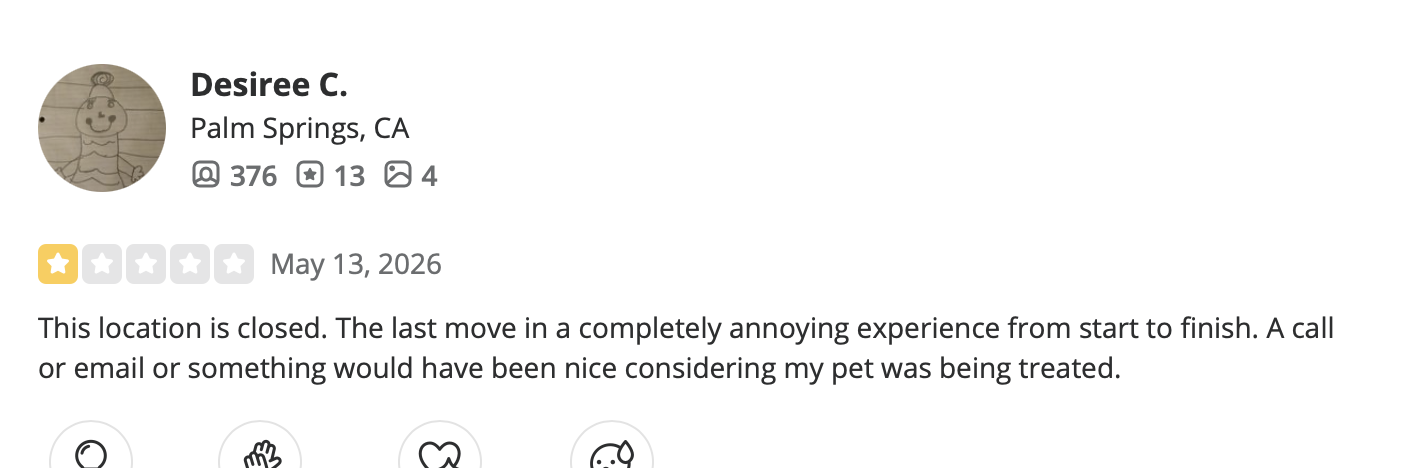
The news comes as a surprise given Papaya's aggressive growth trajectory over the past two years. In 2025, the company announced the opening of its Culver City hospital, describing it as the third location in its expanding veterinary network and highlighting its mission to provide personalized, high-quality veterinary care. Earlier announcements also celebrated the launch of its flagship emergency hospital in Encinitas and its expansion throughout Southern California.
Questions Without Answers
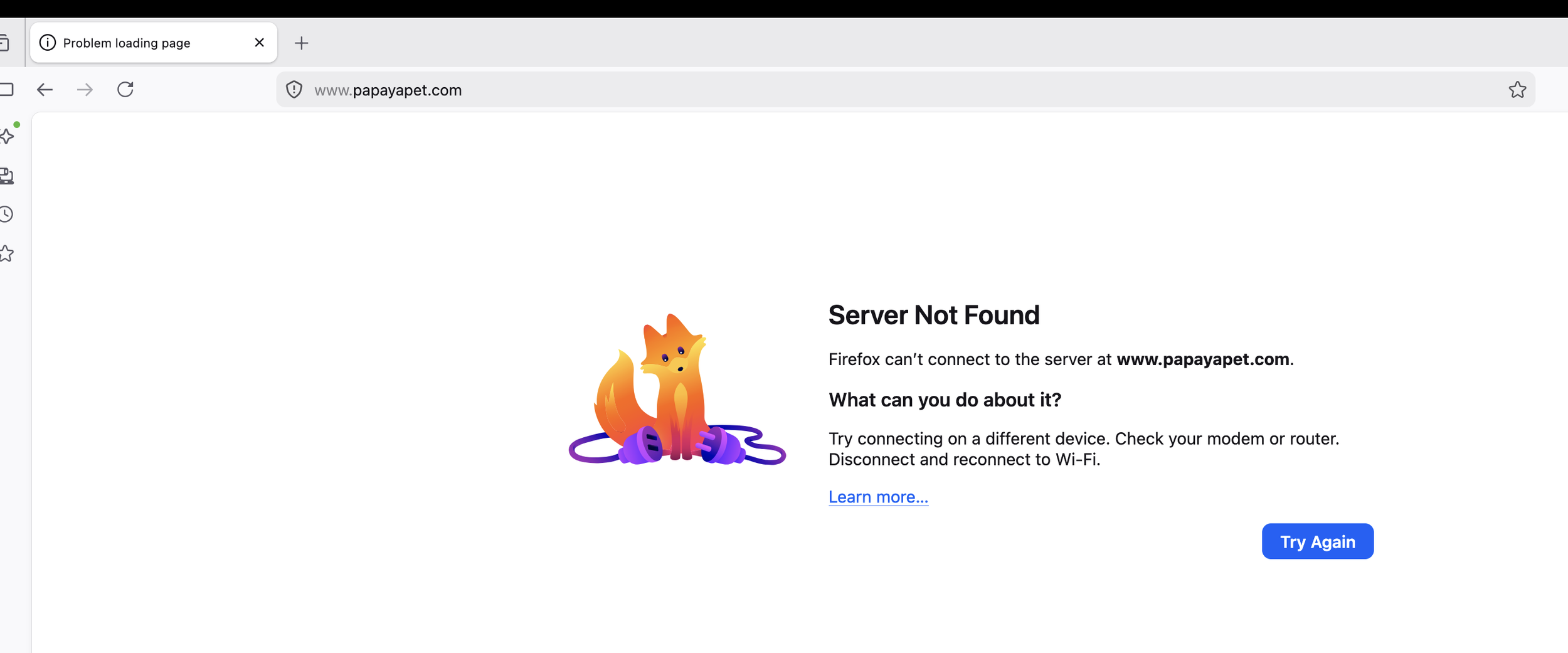
As of publication, Papaya Veterinary Care's website is not available without information available for pet owners seeking assistance. However, many affected clients have reported difficulty obtaining information about medical records and ongoing care.Vet Candy reached out to Papaya Veterinary Care for comment through its publicly available contact channels and requested information regarding the closures, continuity of care for patients, and the future of the company. At the time of publication, we had not received a response.
According to publicly available company information, Genevieve Borso serves as Papaya Veterinary Care's Chief Executive Officer. Vet Candy was unable to verify a publicly listed Chief Financial Officer through available corporate records or the company's website. Genevieve does not appear to have an active Linked In Profile.
A Familiar Story for Veterinary Medicine
The sudden closures have drawn comparisons to previous veterinary corporate shutdowns that left pet owners and employees facing similar uncertainty. Most notably, The Vets closed abruptly in 2024, shuttering multiple locations across several states without meaningful advance notice. Pet owners arrived to find locked doors, phone lines unanswered, and years of medical records inaccessible. The Vets had also positioned itself as a growth-focused enterprise, making the sudden collapse particularly jarring to an industry that had watched the company's expansion with interest.
Similarly, Fuzzy, the venture-backed telehealth and in-home veterinary care platform, ceased operations in late 2023 after securing millions in investment. The shutdown left customers mid-treatment, employees without severance clarity in some cases, and raised questions about the sustainability of rapid-growth business models in veterinary medicine. Fuzzy's collapse was particularly significant because it had been heralded as an innovation in how veterinary care could be delivered.
What distinguishes these failures is the pattern: well-funded companies with public growth narratives hit an inflection point and simply cease operations, often with little transparency. In each case, the impact extended far beyond the business itself. Medical records became difficult or impossible to access, ongoing treatments were interrupted, prescription medications required new providers, and veterinary teams found themselves unexpectedly unemployed. For pet owners, continuity of care became the immediate crisis—and for many, a lasting frustration.
An Industry Under Pressure
The closures also highlight ongoing financial and operational pressures facing veterinary practices nationwide. Staffing shortages, increased operating expenses, and changing investment strategies have created significant challenges for both independent hospitals and corporate veterinary groups. The venture-capital-backed model that fueled rapid expansion at companies like Fuzzy and The Vets has proven vulnerable to market corrections, and even established corporate groups face margin pressures as the cost of doing business in veterinary medicine climbs.
While the reason for Papaya's closures has not been publicly disclosed, the situation serves as another reminder that even rapidly growing veterinary organizations can face unexpected challenges. The company's sudden shutdown, following so closely on the heels of similar collapses, underscores a troubling reality: the veterinary profession has limited mechanisms to protect patient continuity of care when corporate providers fail, and pet owners often bear the consequences.
Vet Candy will continue following this story and will update readers if Papaya Veterinary Care provides additional information regarding the closures, access to medical records, or future operations. If you have a tip about this story, email us and let us know.
Share This Article
Free Membership
Enjoyed this article?
There's a lot more where that came from.
Join 50,000+ veterinary professionals who get free RACE-approved CE, weekly clinical updates, and the most talked-about veterinary magazine in the profession — all completely free.
Join Vet Candy Free →No credit card. No catch. Just everything veterinary.