

Veterinary Blog for Education, Careers, and Real Vet Life
Welcome to the Vet Candy Blog—your go-to destination for veterinary education, career growth, and real-life insights from the world of animal health.
From free RACE-approved CE courses and clinical updates to NAVLE prep and career advice, our content is designed for veterinarians, vet techs, and students who want to stay informed, inspired, and ahead in their careers.

Latest Veterinary News & Clinical Insights

New test at WSU can flag drugs that could be harmful to cats
A new test developed at Washington State University will help pharmaceutical companies, veterinarians and regulatory agencies identify drugs that may trigger severe — but preventable — neurological side effects in some cats.

Gabapentin in Cats: Sedation, Analgesia, and Behavioral Effects
Gabapentin has become an increasingly important tool in feline veterinary medicine due to its sedative, analgesic, and anxiolytic properties. Veterinary visits can be stressful for cats, with fear-based behaviors often complicating examinations and procedures. Addressing these challenges is critical for both patient welfare and practitioner safety.
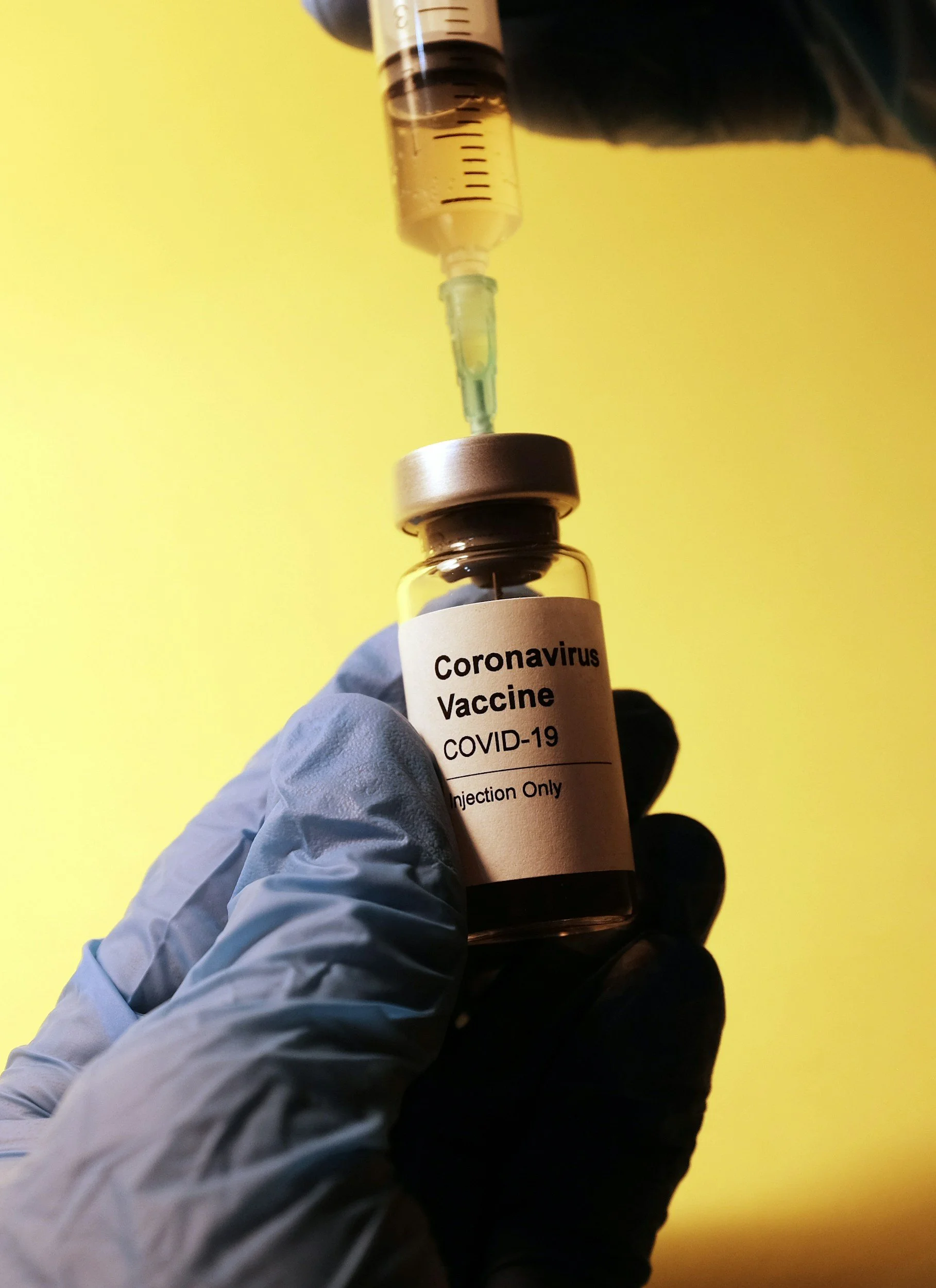
SARS-CoV-2 Vaccination in Non-Domestic Species: Insights from the Toronto Zoo
The SARS-CoV-2 pandemic has highlighted the virus’s broad host range, including susceptibility in non-domestic mammals housed in zoological collections. Vaccination has been recommended for susceptible species, particularly to protect endangered populations, but data regarding vaccine safety and efficacy in exotic animals have been scarce.

New scoring system for horse skin, coat condition provides insights into parasite impact
This work was led by Jenifer Nadeau, associate professor of animal science in the College of Agriculture, Health and Natural Resources (CAHNR). It was published as an abstract in the Journal of Equine Veterinary Science.

Bridle Choice May Not Drive Short-Term Stress in Horses, Research Shows
The type of bridle worn by a horse in dressage competitions is not the only factor affecting their stress levels, a new study has revealed.
Scientists from Aberystwyth University and the University of Portsmouth studied the complex effect of using a two-bit double bridle versus a one-bit snaffle bridle.

People can get just as emotionally attached to horses as they are to their dogs or cats.
New research shows that horses can be just as meaningful objects of affection for humans as other pets or close human beings. The way people get attached to their horse can now also be reliably assessed through a survey. The bond between humans and horses dates back thousands of years, and horses occupy a unique position in human life, falling somewhere between working animals and companion animals.
Your Questions, Answered
-
Vet Candy welcomes relevant industry news, press releases, and high-quality content that provides value to veterinary professionals. Submissions should focus on clinical insights, innovation in animal health, or meaningful industry developments.
All submissions are reviewed by our editorial team to ensure they align with our content standards and audience interests. To inquire about opportunities, please contact our team through the website.
-
Vet Candy focuses on content that is educational, engaging, and relevant to veterinarians, vet techs, and veterinary students. This includes clinical updates, industry news, career insights, and expert perspectives that help professionals stay informed and grow in their careers.
-
Yes, Vet Candy offers opportunities for companies and organizations to share important updates, product news, and industry announcements through sponsored content, press features, and integrated campaigns—helping you reach a highly engaged veterinary audience.
-
You can reach us anytime via our contact page or email. We aim to respond quickly—usually within one business day.
-
Vet Candy is committed to providing content that is accurate, balanced, and relevant to veterinary professionals. Our editorial team works to maintain high journalistic standards by reviewing content for clarity, credibility, and educational value. We aim to present information in a way that reflects a range of perspectives within the veterinary industry.
-
We strive for accuracy in everything we publish, but if you notice an error or outdated information, we encourage you to reach out to our team. Vet Candy is committed to transparency and will review and update content as needed to ensure it remains accurate and reliable.
-
Yes, Vet Candy regularly reviews and updates content to maintain accuracy and relevance. When necessary, corrections or edits are made to ensure our content reflects the most current and reliable information available.