

Veterinary Blog for Education, Careers, and Real Vet Life
Welcome to the Vet Candy Blog—your go-to destination for veterinary education, career growth, and real-life insights from the world of animal health.
From free RACE-approved CE courses and clinical updates to NAVLE prep and career advice, our content is designed for veterinarians, vet techs, and students who want to stay informed, inspired, and ahead in their careers.

Latest Veterinary News & Clinical Insights

200 Million Birds. 2,100 Flocks. The Largest Avian Influenza Outbreak in US History Is Entering Its Most Dangerous Window. Right Now.
Spring migration has started. Wild birds are moving. The virus that has never fully gone away since 2022 is actively looking for its next flock. Here is what every veterinary professional needs to know — and what your clients need to do today.

Receptors in mammary glands make livestock and humans inviting hosts for avian flu
An ongoing outbreak of highly pathogenic avian influenza has affected more than 184 million domestic poultry since 2022 and, since making the leap to dairy cattle in spring 2024, more than 1,000 milking cow herds.

HPAI Alert: Bird Flu Cases Soar Across the U.S.
Avian influenza is back in the spotlight, and veterinary professionals across the country are paying close attention. Cases of Highly Pathogenic Avian Influenza (HPAI) are on the rise in the U.S., impacting commercial and backyard flocks alike. Understanding the latest numbers, trends, and veterinary implications is critical for protecting animal health and managing outbreaks.
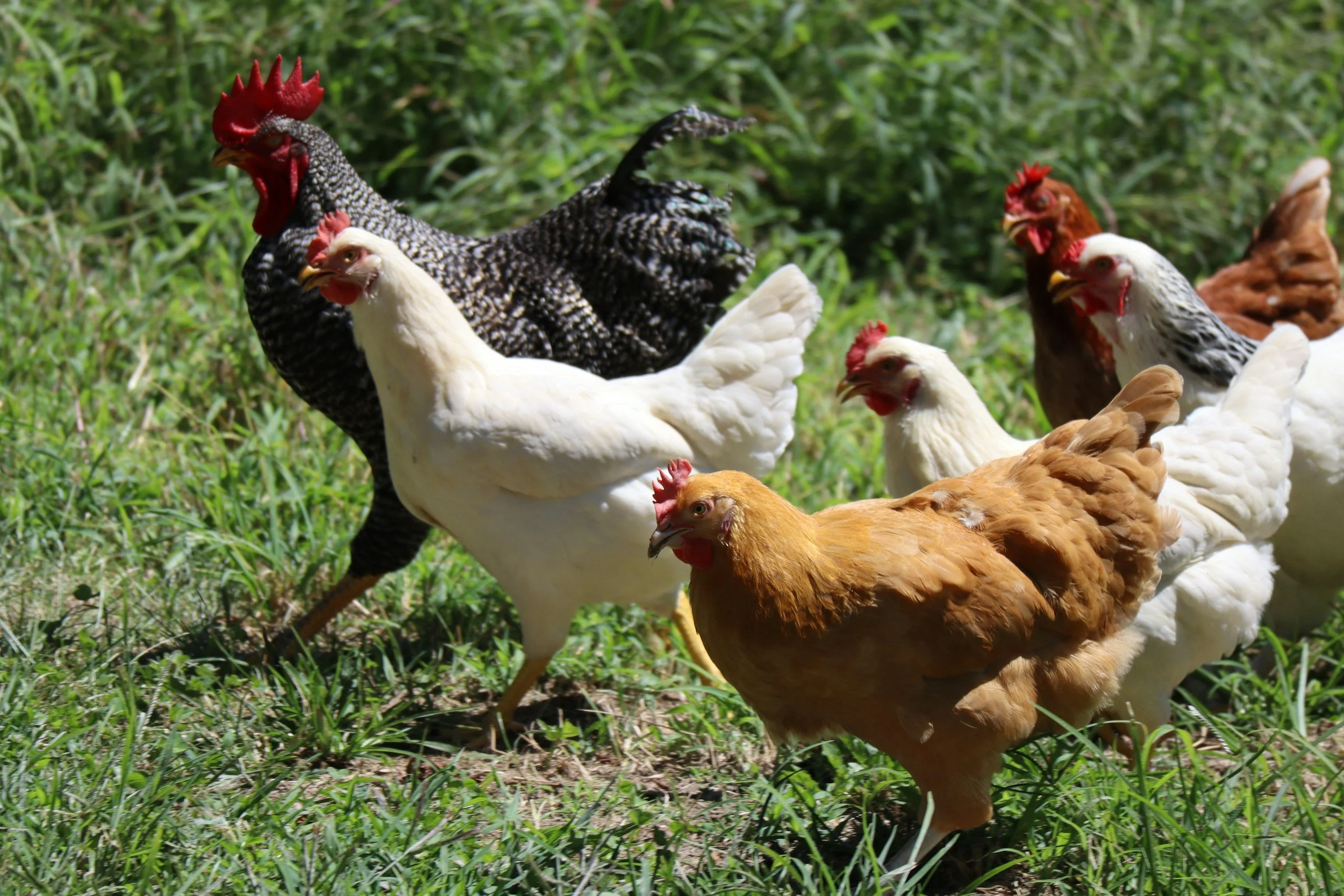
Highly Pathogenic Avian Influenza Detected in Two Ottawa County Flocks
Following an investigation by the Michigan Department of Agriculture and Rural Development (MDARD), the Michigan State University Veterinary Diagnostic Laboratory has detected the presence of highly pathogenic avian influenza (HPAI) in two commercial flocks from Ottawa County.

Breaking: New Bird Flu Strain Detected in Dairy Cattle—What It Means for the Industry
On January 31, 2025, the USDA Animal and Plant Health Inspection Service (APHIS) National Veterinary Services Laboratories (NVSL) confirmed by whole genome sequence the first detection of highly pathogenic avian influenza (HPAI) H5N1 clade 2.3.4.4b, genotype D1.1 in dairy cattle. This confirmation was a result of State tracing and investigation, following an initial detection on silo testing under the USDA’s National Milk Testing Strategy (NMTS) in Nevada.
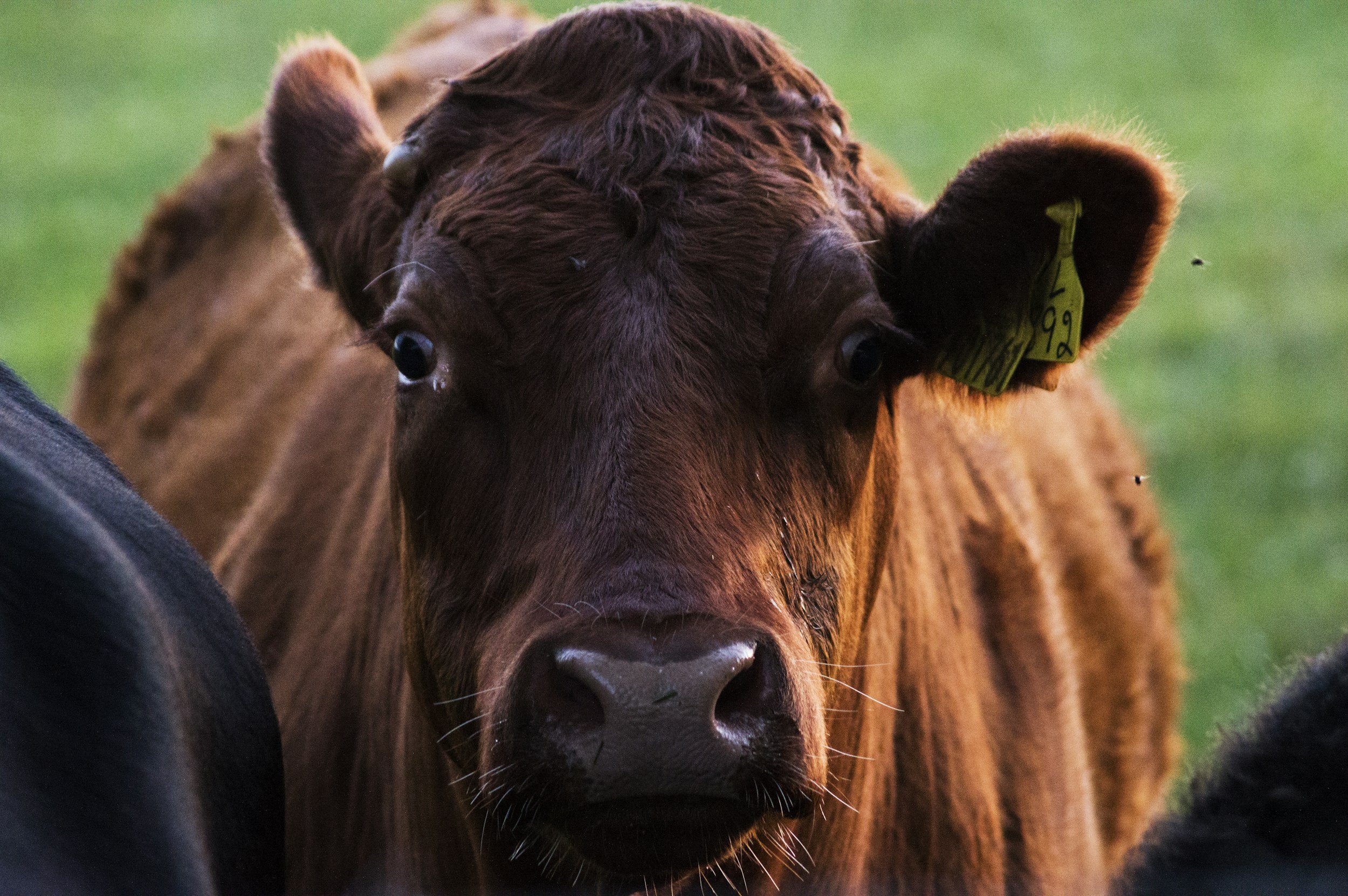
Receptors make dairy cows a prime target for influenza, ISU team finds
As highly pathogenic avian influenza has spread in dairy herds across the U.S., the virus is being detected in raw milk. A new study by a broad team of researchers at Iowa State University’s College of Veterinary Medicine helps explain why.
Your Questions, Answered
-
Vet Candy welcomes relevant industry news, press releases, and high-quality content that provides value to veterinary professionals. Submissions should focus on clinical insights, innovation in animal health, or meaningful industry developments.
All submissions are reviewed by our editorial team to ensure they align with our content standards and audience interests. To inquire about opportunities, please contact our team through the website.
-
Vet Candy focuses on content that is educational, engaging, and relevant to veterinarians, vet techs, and veterinary students. This includes clinical updates, industry news, career insights, and expert perspectives that help professionals stay informed and grow in their careers.
-
Yes, Vet Candy offers opportunities for companies and organizations to share important updates, product news, and industry announcements through sponsored content, press features, and integrated campaigns—helping you reach a highly engaged veterinary audience.
-
You can reach us anytime via our contact page or email. We aim to respond quickly—usually within one business day.
-
Vet Candy is committed to providing content that is accurate, balanced, and relevant to veterinary professionals. Our editorial team works to maintain high journalistic standards by reviewing content for clarity, credibility, and educational value. We aim to present information in a way that reflects a range of perspectives within the veterinary industry.
-
We strive for accuracy in everything we publish, but if you notice an error or outdated information, we encourage you to reach out to our team. Vet Candy is committed to transparency and will review and update content as needed to ensure it remains accurate and reliable.
-
Yes, Vet Candy regularly reviews and updates content to maintain accuracy and relevance. When necessary, corrections or edits are made to ensure our content reflects the most current and reliable information available.