

Veterinary Blog for Education, Careers, and Real Vet Life
Welcome to the Vet Candy Blog—your go-to destination for veterinary education, career growth, and real-life insights from the world of animal health.
From free RACE-approved CE courses and clinical updates to NAVLE prep and career advice, our content is designed for veterinarians, vet techs, and students who want to stay informed, inspired, and ahead in their careers.

Latest Veterinary News & Clinical Insights
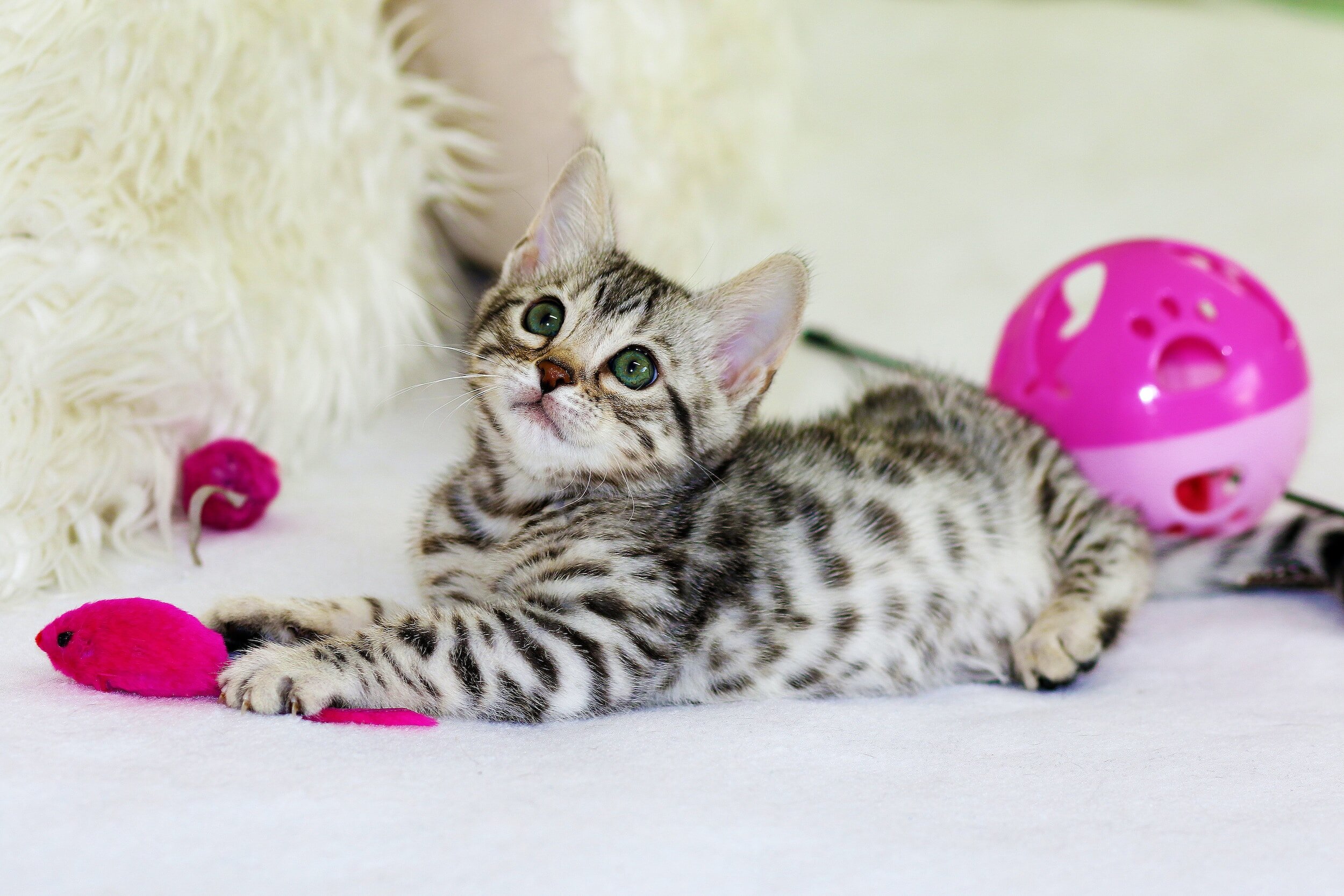
Animal behavior: Cats like to fetch when they’re feline playful
Cats tend to dictate games of fetch with their owners and most cats who play fetch learned to do so without explicit training, according to a survey of 924 cat owners published in Scientific Reports. The findings also highlight the variety of objects that cats prefer to fetch, including hair ties and bottle parts.
Jemma Forman, Elizabeth Renner and David Leavens surveyed cat owners who reported fetching behaviours in 1,154 cats that they currently or previously owned. Owners reported how fetching first occurred, how often it occurs per month, the objects their cat preferred to fetch, and who usually initiated or ended games of fetch.
The authors found that 59% of cats who played fetch did so on up to ten occasions per month and 55% fetched objects up to five times in their most recent game. Cats initiated and ended games of fetch more often than their owners and tended to play fetch more frequently and for longer periods of time during their most recent game when they, rather than their owners, initiated games. Cats also tended to play fetch more frequently and for longer periods of time when their owners usually ended games. Together, this indicates that cats tend to control games of fetch with their owners and may continue to play until owners end them.
94% of owners surveyed reported that their cat began playing fetch without being explicitly trained to do so and that 61% first started fetching as kittens (less than one year old). Although some owners reported the possibility that their cat could have learned to fetch from another animal, only 23% of cats lived with a dog or another cat who fetched. Out of 160 cats identified as purebreds, Siamese cats were the most frequently reported fetching breed (36 cats), followed by Bengal (16) and Ragdoll (12). The authors found that cats displayed individual preferences for the objects and members of a household they preferred played fetch with, as well as the locations they preferred to play in. While cat toys accounted for just under 40% of objects used in games of fetch, the majority of objects that cats preferred to fetch were objects either found in a household, such as hair ties or bottle parts, or thrown opportunistically by owners, such as crumpled paper. Common locations for games of fetch were bedrooms and stairs.
The findings suggest that cats tend to control games of fetch with their owners and highlight the individual variation in cat fetching behaviours.
Shocking cat health mystery revealed: Unbelievable eosinophilia and basophilia case!"
Inflammatory bowel disease can be a recurring issue in cats, marked by gastrointestinal problems and confirmed intestinal inflammation through histology. Here, we unravel a peculiar case involving a 9-month-old neutered male cat.
Your Questions, Answered
-
Vet Candy welcomes relevant industry news, press releases, and high-quality content that provides value to veterinary professionals. Submissions should focus on clinical insights, innovation in animal health, or meaningful industry developments.
All submissions are reviewed by our editorial team to ensure they align with our content standards and audience interests. To inquire about opportunities, please contact our team through the website.
-
Vet Candy focuses on content that is educational, engaging, and relevant to veterinarians, vet techs, and veterinary students. This includes clinical updates, industry news, career insights, and expert perspectives that help professionals stay informed and grow in their careers.
-
Yes, Vet Candy offers opportunities for companies and organizations to share important updates, product news, and industry announcements through sponsored content, press features, and integrated campaigns—helping you reach a highly engaged veterinary audience.
-
You can reach us anytime via our contact page or email. We aim to respond quickly—usually within one business day.
-
Vet Candy is committed to providing content that is accurate, balanced, and relevant to veterinary professionals. Our editorial team works to maintain high journalistic standards by reviewing content for clarity, credibility, and educational value. We aim to present information in a way that reflects a range of perspectives within the veterinary industry.
-
We strive for accuracy in everything we publish, but if you notice an error or outdated information, we encourage you to reach out to our team. Vet Candy is committed to transparency and will review and update content as needed to ensure it remains accurate and reliable.
-
Yes, Vet Candy regularly reviews and updates content to maintain accuracy and relevance. When necessary, corrections or edits are made to ensure our content reflects the most current and reliable information available.