



Can Oral Vaccines Do What Syringes Can’t? Inside WSU’s Bold Plan to Finally Outrun Rabies
Rabies is one of those diseases every veterinary professional knows well and still finds deeply frustrating. It is 100 percent fatal once clinical signs appear, entirely preventable, and yet it continues to kill an estimated 60,000 people every year. Nearly all of those deaths occur in Africa and Asia and most are caused by canine rabies. Now, a new Washington State University-led study is testing whether a simple shift in strategy could help close one of the biggest gaps in global rabies control.

Free RACE-Approved CE for Veterinarians and Veterinary Technicians: The Complete Guide to Vet Candy
Complete your RACE approved CE online for free with Vet Candy CE. Our flexible, engaging courses keep busy veterinarians up-to-date on clinical care, practice management, and professional skills, all officially recognized by state veterinary boards.

From Click and Collect to Canine Crisis: How the UK Puppy Trade Is Failing Dogs, Vets, and the Planet
Nearly ten years ago, a DEFRA consultation openly acknowledged what many veterinary professionals already knew. The legislation governing the UK puppy trade was outdated, inflexible, and poorly aligned with modern welfare standards. Fast forward to today and the problem has not only persisted, it has scaled. A recent scoping review lays bare how systemic under-regulation has allowed the UK puppy trade to evolve into a high-volume, high-profit, and low-risk industry with profound consequences for canine welfare, public health, and the environment.
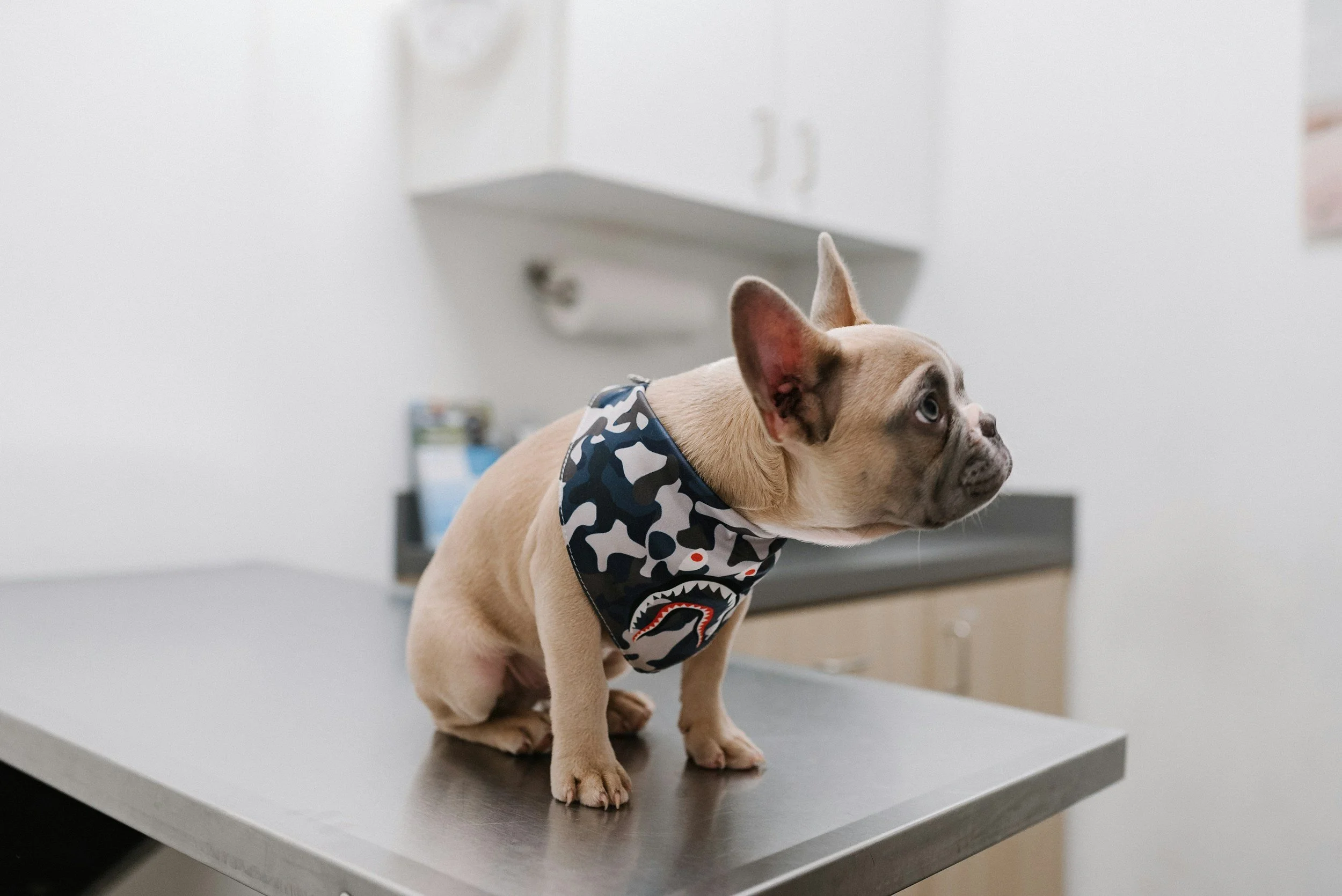
Fluids Are Not Enough: The Anesthesia Hypotension Fix You Are Probably Missing
Normovolemic hypotension is one of those anesthetic complications that feels deceptively simple and then stubbornly refuses to resolve. You check the patient, volume status looks fine, there is no obvious hemorrhage, and yet the mean arterial pressure keeps drifting south. If your reflex is to reach for more fluids, this recent experimental study in dogs suggests you may be treating the wrong problem.
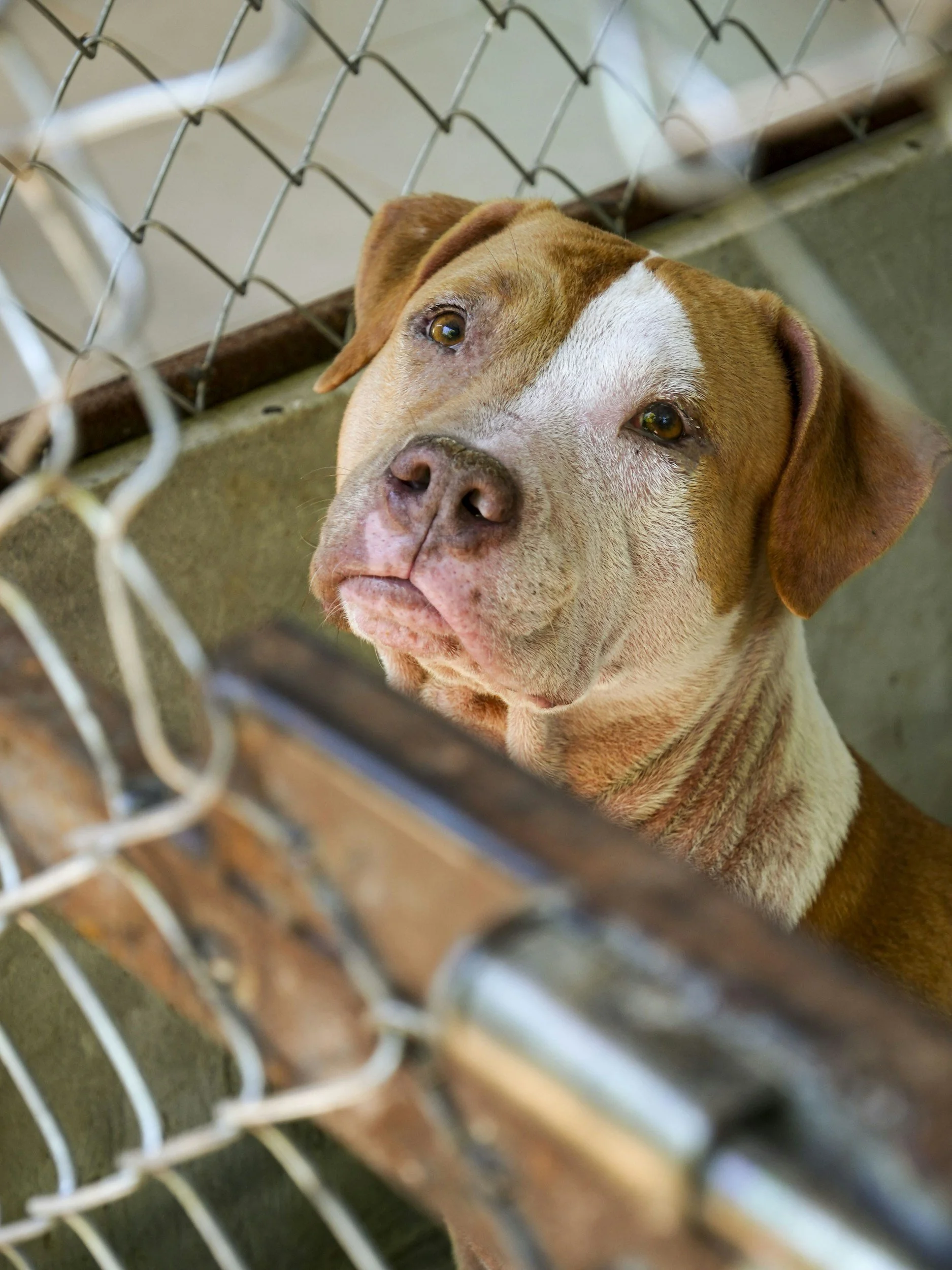
Why Calling a Dog a “Mix” Might Be Killing Its Adoption Chances
Scroll through almost any shelter website and you will see a familiar pattern. A photo, a breed label based on a best guess, and a short description meant to spark a connection. For veterinary professionals, this format feels routine. New research suggests it may also be working against the very goal it is meant to support.

Does Histology Really Predict the Fate of Dogs With Osteosarcoma? The Answer Might Surprise You
Appendicular osteosarcoma remains one of the most emotionally and clinically challenging diagnoses in small animal oncology. It is aggressive, common, and often unforgiving, even when treated promptly. For veterinary professionals, the quest for reliable prognostic markers is constant. We want tools that help us guide treatment decisions, manage client expectations, and ideally improve outcomes.