



Half the Herd Is Exposed? What Goat Vets Need to Know About Toxoplasma and Neospora in Mexico
Reproductive loss in goats is one of those problems that quietly drains productivity while frustrating veterinarians and producers alike. Abortions happen, kids are lost, and the underlying cause often stays frustratingly vague. New data from Mexico suggests that two familiar protozoan parasites, Toxoplasma gondii and Neospora caninum, may be playing a much bigger role in caprine reproductive health than many of us assumed.
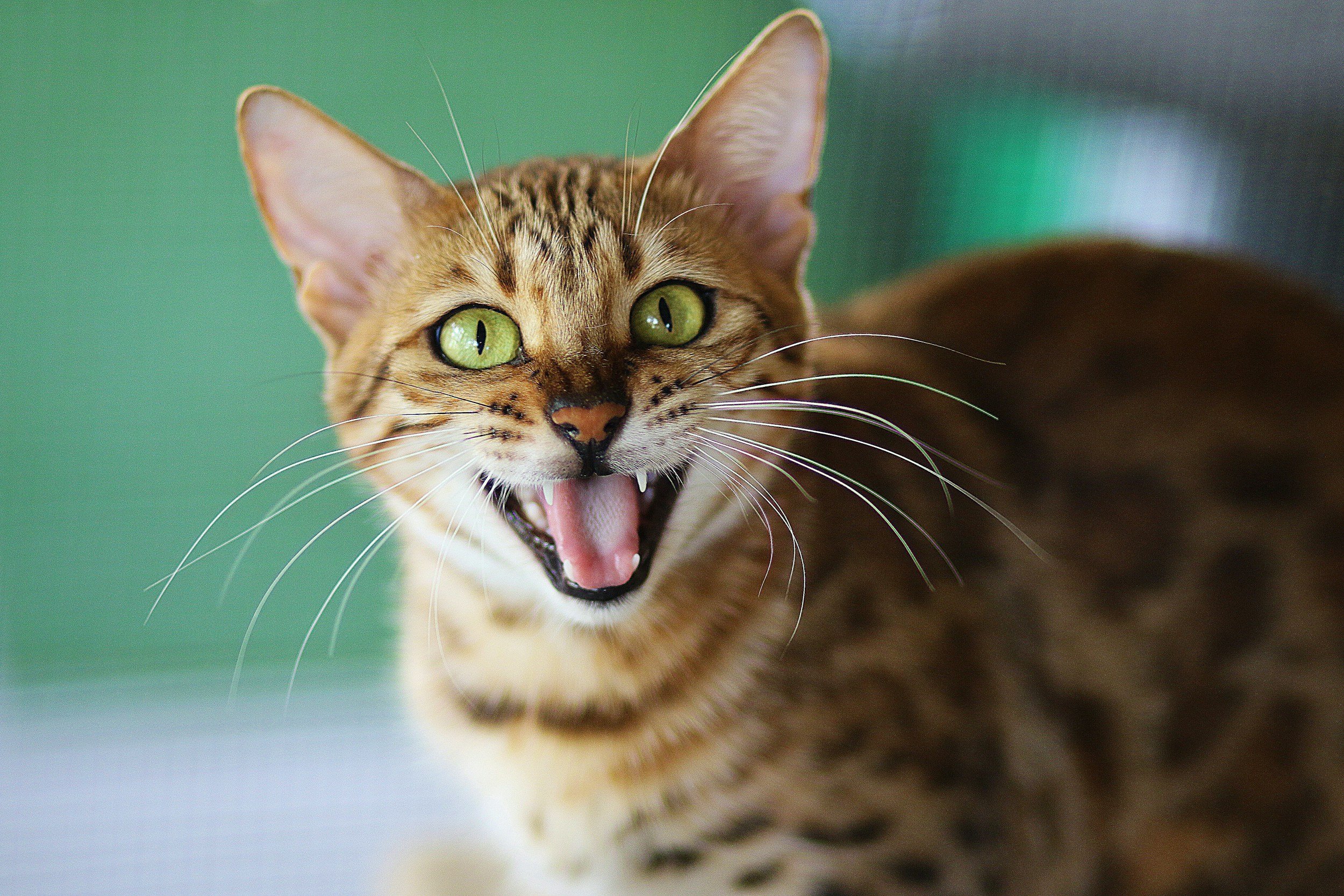
FIP Rarely Travels Alone: What Viral Coinfections and Gingivostomatitis Mean for Today’s FIP Cats
Feline infectious peritonitis has undergone a dramatic rebrand in recent years. Once considered uniformly fatal, FIP is now a treatable disease thanks to antiviral therapy with GS-441524. As survival improves, veterinary professionals are increasingly faced with a new reality. Many of these cats are not dealing with a single pathogen, but with multiple viral passengers that may influence comfort, inflammation, and long-term management. Among the most clinically frustrating complications is feline chronic gingivostomatitis, a painful condition that can linger even after FIP is controlled.

Your Doctor Prescribed a Dog? The Science Behind Pets, Personality, and Quality of Life
For veterinary professionals, the human animal bond is not just a feel good talking point. It is increasingly recognized as a measurable influence on health outcomes, particularly for people living with chronic disease. While the benefits of pet ownership are often discussed in broad, optimistic terms, emerging research is adding nuance by linking pet ownership to quality of life metrics and even personality traits. This matters to veterinarians because the way clients relate to their animals directly affects animal welfare, adherence to care recommendations, and long term outcomes for both parties.
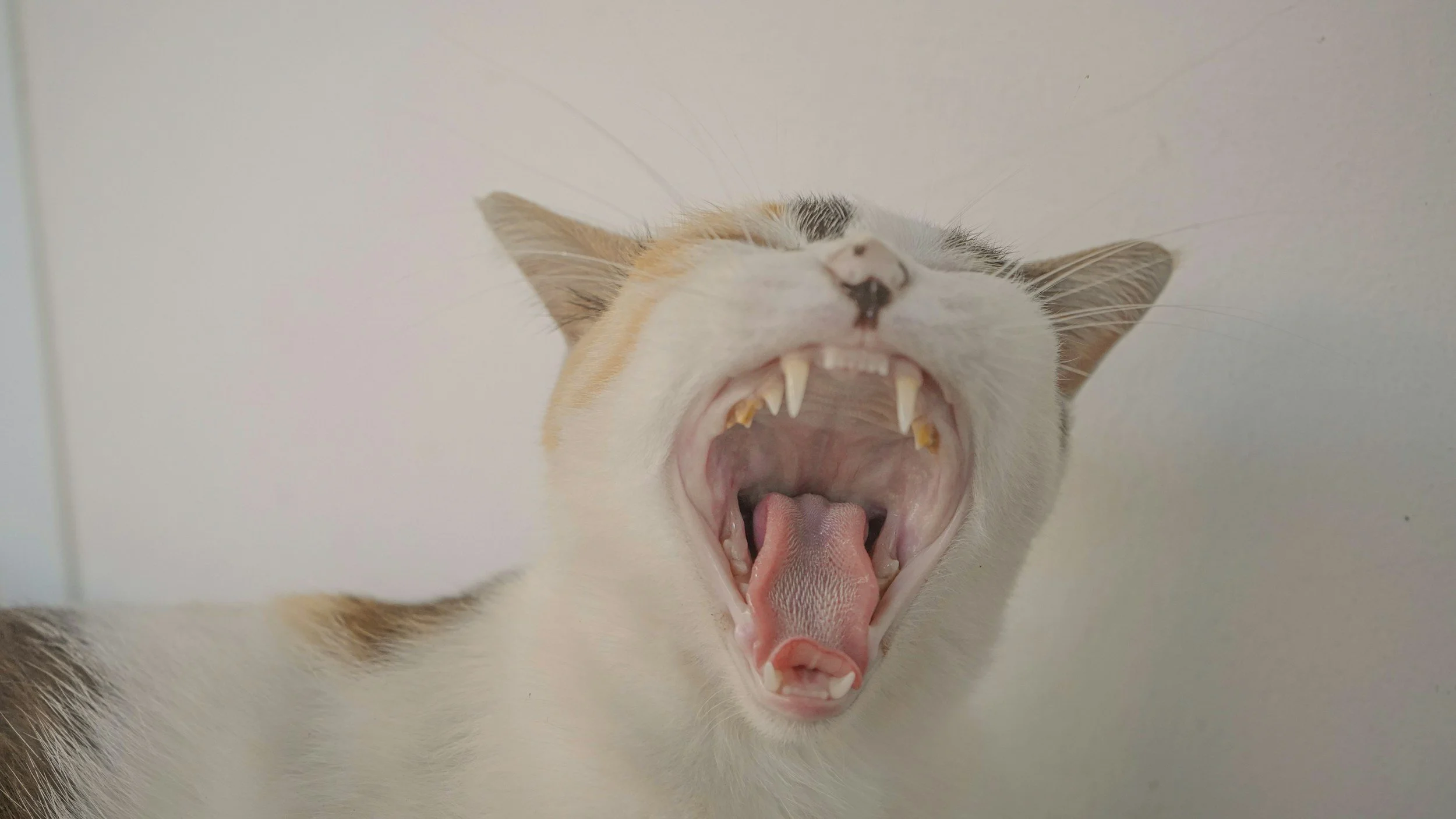
Your Cat’s Mouth Is a Crime Scene: What the 2025 FelineVMA Dental Guidelines Mean for Everyday Practice
If you work in feline medicine, you already know the truth. Oral disease is not a niche problem in cats. It is the rule rather than the exception. The 2025 FelineVMA feline oral health and dental care guidelines take that reality head on and translate it into practical, evidence guided recommendations for general practice. For veterinary professionals juggling full schedules, anxious cats, and increasingly informed clients, these guidelines are a timely reset on what high quality feline dentistry should look like.

Cats Have Way More GI Tumors Than Dogs? What a National Cancer Database Just Revealed
Gastrointestinal disease is one of the most common reasons pets present to veterinary clinics. Vomiting, diarrhea, weight loss, and anemia are everyday complaints, yet behind these familiar signs can be some of the most challenging cancers we diagnose. A new comparative epidemiological study from Portugal sheds light on how tumors of the digestive system differ between dogs and cats, and the results reinforce something clinicians already sense in practice. These species are not playing the same oncologic game.

The CE That Actually Energizes You: Why Engagement Matters
RACE approved continuing education credits online for free. Vet Candy CE offers flexible, engaging courses for busy veterinarians, including clinical updates, practice management, and professional development, all recognized by state veterinary boards.