



Justice Department Reaffirms Veterinary Accreditation Standards and Procedures Are Subject to Antitrust Scrutiny
Today, the Justice Department filed a statement of interest in a private lawsuit challenging accreditation standards and procedures employed by the American Veterinary Medical Association (AVMA). The statement of interest explains that professional accreditation societies, like the AVMA, cannot erect anticompetitive hurdles that reduce competition by restricting the number of veterinary providers entering the profession.
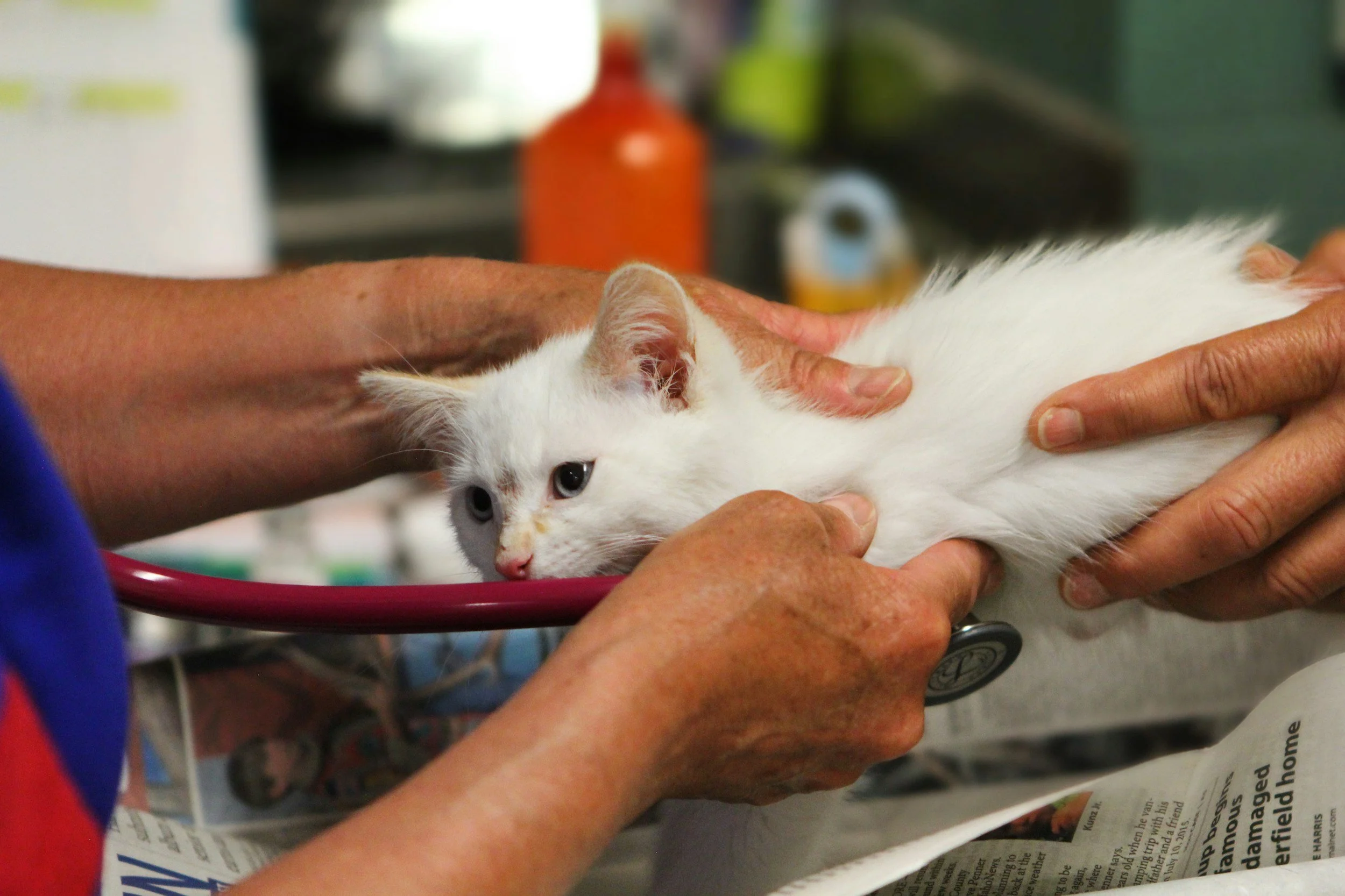
When a Bladder Tumor Becomes a Bleeder: The Cat That Crashed and How Endoscopic Intervention Saved the Day
Urothelial cell carcinoma of the bladder is a diagnosis most veterinary professionals associate with dogs and chronic lower urinary tract signs. In cats, it is far less common and often flies under the radar until it becomes impossible to ignore. This case highlights a dramatic and life threatening presentation of feline urothelial cell carcinoma that progressed from hematuria to hypovolemic shock, and it underscores how minimally invasive interventions can be both lifesaving and surprisingly durable.
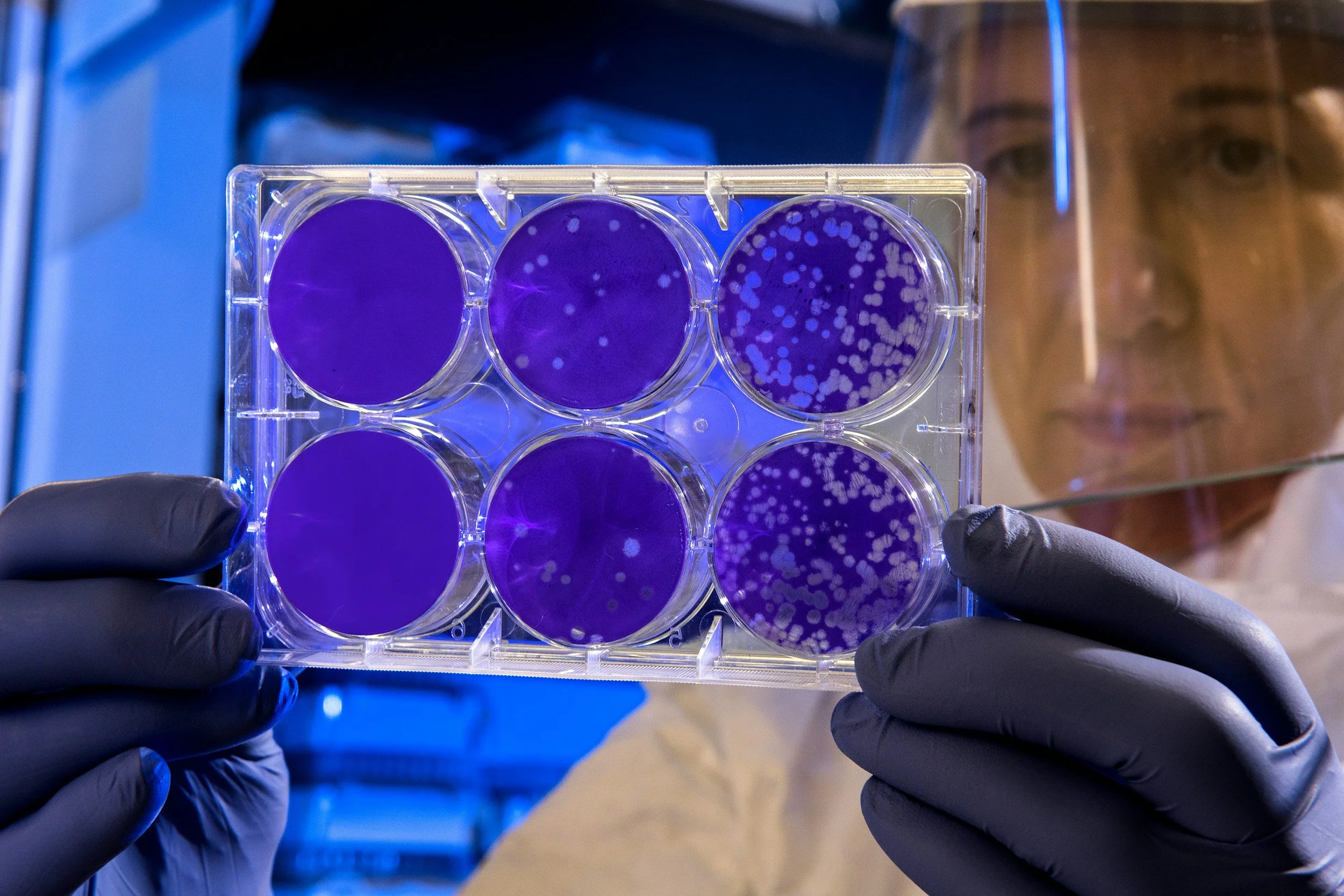
From Couch to Clinic: Are Cats and Dogs the Next Influenza Wildcards?
For decades, influenza A virus research focused on birds, pigs, and people. Since the early 2000s, cats and dogs have quietly entered the conversation. Canine influenza viruses established themselves as stable lineages, and highly pathogenic avian influenza viruses have been increasingly detected in cats. For veterinary professionals, this shift matters. Companion animals sit squarely at the human animal interface, sharing homes, airspace, and sometimes food with people. That proximity creates opportunities for viral adaptation that were not seriously considered a generation ago.
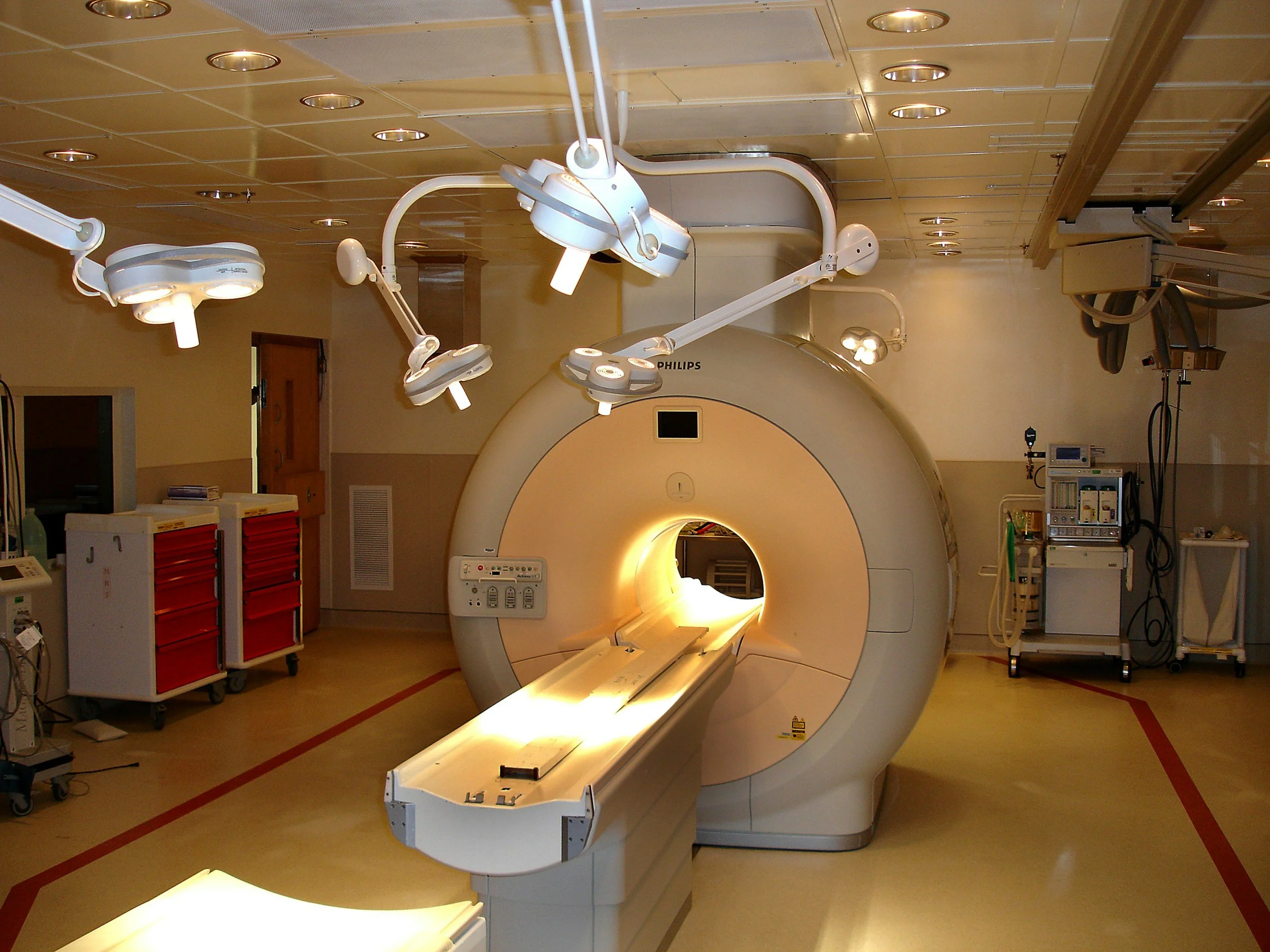
From Niche to Necessary: How Radiation Therapy Is Quietly Transforming Veterinary Oncology in Korea
Radiation therapy has officially entered its growth era in Korean veterinary medicine. Once viewed as a highly specialized or referral only option, RT is now becoming a core part of how cancer is managed in companion animals. A new retrospective analysis from the S Animal Cancer Center offers the first systematic look at how radiation therapy has been used in dogs and cats across Korea from 2020 to 2023. The results tell a clear story. Demand is rising, protocols are evolving, and veterinary oncology in Korea is leveling up.

Still Paying for CE? That's Adorable.
Join Vet Candy for free and get exclusive access to RACE approved veterinary CE, a weekly eblast packed with the latest veterinary news and tips, and a magazine that understands veterinarians. Stay informed, engaged, and up-to-date with content designed for busy vets.

Post-FIP Cats and Progressive Hydrocephalus: What Every Vet Needs to Know
Feline infectious peritonitis has long been one of the most dreaded viral diseases in cats. The introduction of antiviral therapy using GS-441524 has dramatically shifted outcomes, turning what was once a fatal diagnosis into one with hope for survival. However, as with any breakthrough, new questions arise about the long-term consequences of treatment. A recent case series shines a spotlight on a complication that clinicians should be aware of: progressive hydrocephalus following successful treatment for FIP.