



Caring for Both Pets and People: How One Clinic is Tackling Youth Homelessness
Every year in the U.S., nearly two million young people experience homelessness — and up to a quarter of them have pets. For many, these animals are more than companions; they provide vital emotional support. But having a pet can also create barriers, from accessing housing to seeking medical care. Some young people even prioritize veterinary care for their pets over their own health needs.

Brain Smarts Episode Alert: Lion Blood Pressure, Clean Water, and a Vet Student Who Just Might Beat the Game
This week on Vet Candy’s Brainsmarts, the veterinary comedy game show you didn’t know you needed, hosts Caitlin and Clay Palmer dialed up the laughs—and the chaos—welcoming Jeremiah Pouncy, a fourth-year vet student from Cornell whose CV reads like an action-adventure movie. From the African savannah to underserved communities, this guy has done it all.

How Ashli Selke’s Neurodivergent Superpower Is Revolutionizing Veterinary Medicine
Ashli Selke is a force of nature in veterinary medicine—a trailblazer whose neurodivergent mind powers her mission to transform the profession from the inside out. With ADHD fueling her hyperfocus and pattern recognition superpowers, Selke effortlessly navigates complex regulatory landscapes, uncovering solutions that many neurotypical thinkers might overlook.

Five Things to Think About Before Becoming a Boss: Scaling Your Veterinary Practice
Owning a practice isn’t just about doing medicine—it’s about leading, strategizing, and building something that can grow without burning you out. Before you take the leap, here’s what to think about.
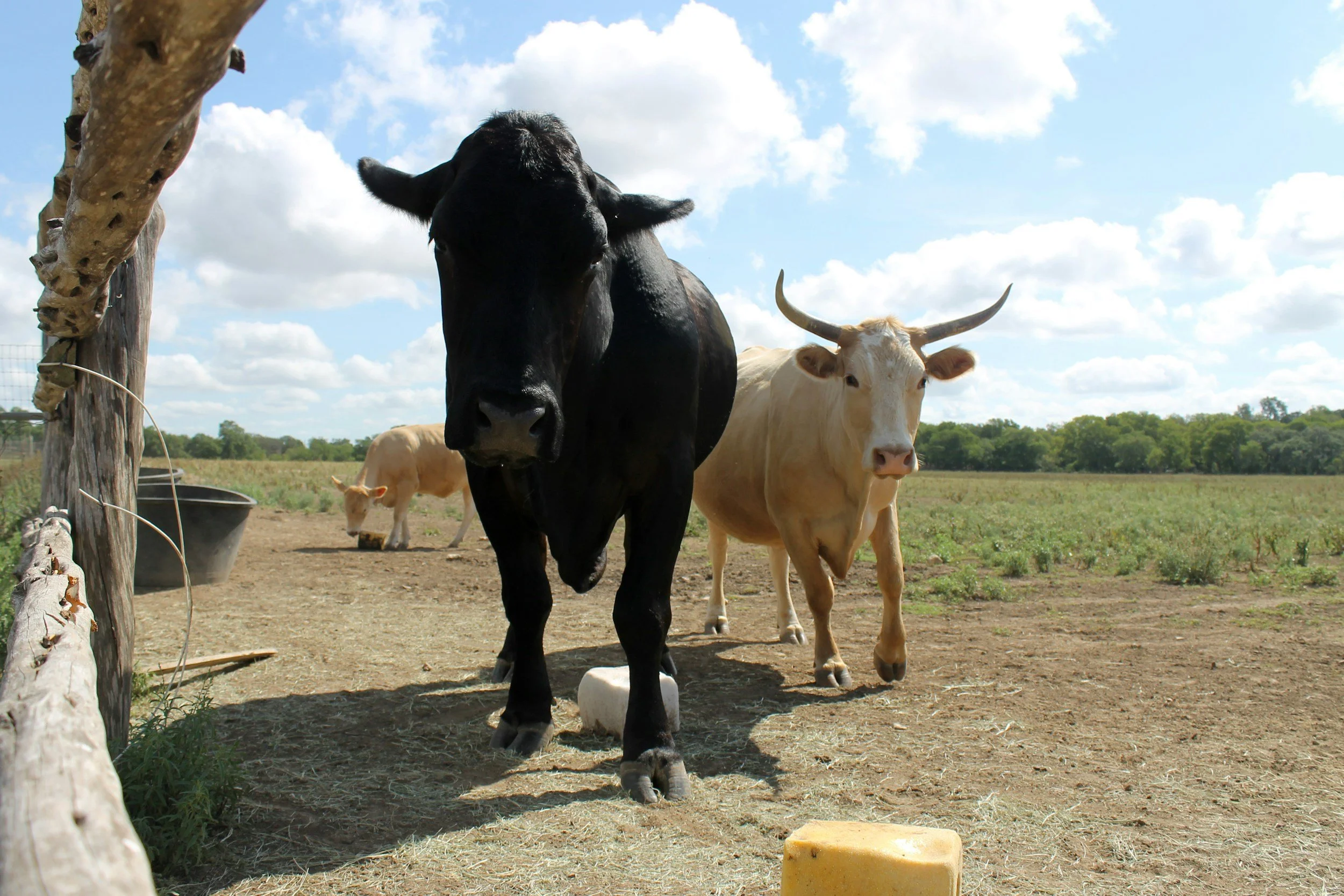
Study assesses livestock vulnerability to climate change
With a pioneering, comprehensive approach on a global scale, Brazilian researchers have developed a methodology that allows them to project the physiological responses of herds of different production animal species to the impacts of climate change between 2050 and 2100.
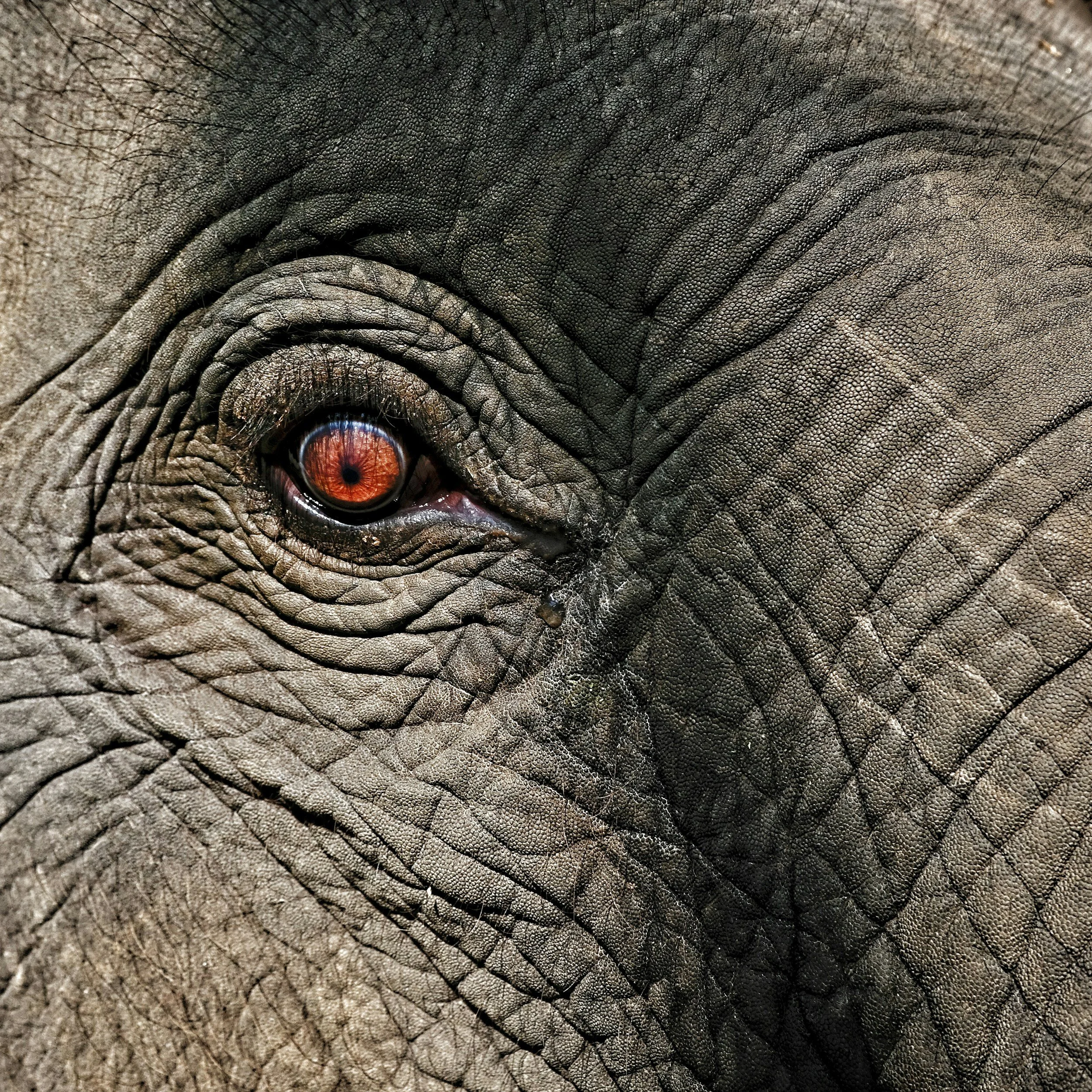
Do Elephants Recognize Human Visual Attention?
While elephants are well known for their reliance on acoustic and olfactory communication, less is understood about how they interpret visual cues. Prior work demonstrated that African savanna elephants can recognize human visual attention, but whether Asian elephants share this ability remained unclear.