



A Quantitative Review of Cadaver and Terminal Animal Use in Veterinary Education
A new study, the first of its kind, has quantified the use of cadavers and animals in terminal teaching exercises across public veterinary schools in the United States and Canada. The research, published in the Journal of Veterinary Medical Education, provides an unprecedented look into the scope, sources, and justifications for these long-standing educational practices, revealing significant variation in how schools adhere to modern ethical guidelines.

MSU Vet Tech Program Just Took the National Spotlight — Here’s Why
Morehead State University’s veterinary technology program, ranked #13 nationally, wins AVTE Program of the Year for innovation, hands-on learning, and career success.

AVMA COE Pulls Diversity Reporting
In a letter sent to veterinary school deans, the COE said it will “not require programs to report on, or comply with, current aspects of the Standards of Accreditation that relate to DEI…in a manner that conflicts with applicable law or other institutional directives.” In effect, what was once mandatory is now optional.
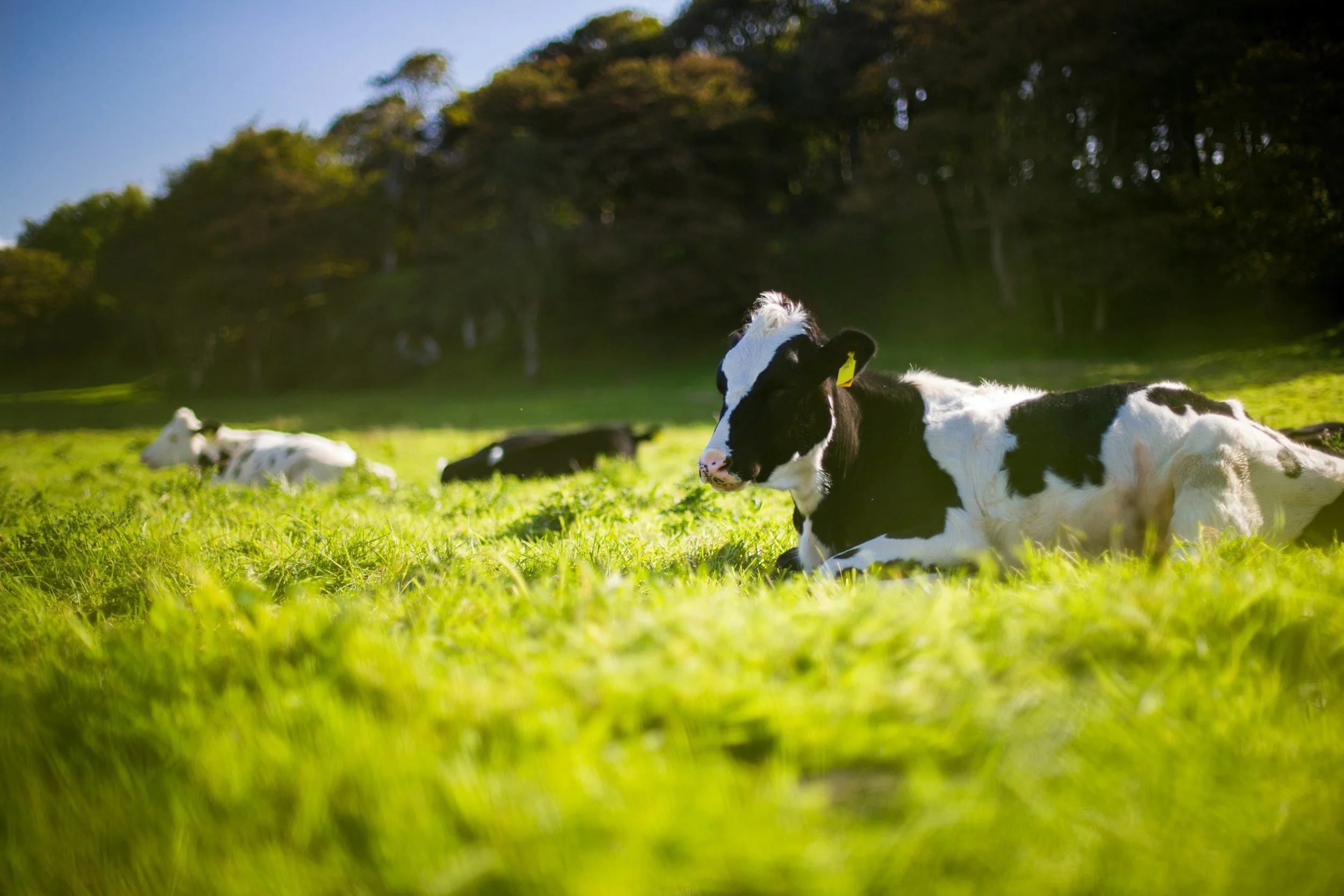
H5N1 Outbreaks in US Livestock and Human Case Investigation
H5N1 avian influenza continues to spread in US dairy & poultry. USDA reports new cases in a Texas dairy herd and South Dakota turkeys. A California pediatric case highlights the critical need for a One Health approach.
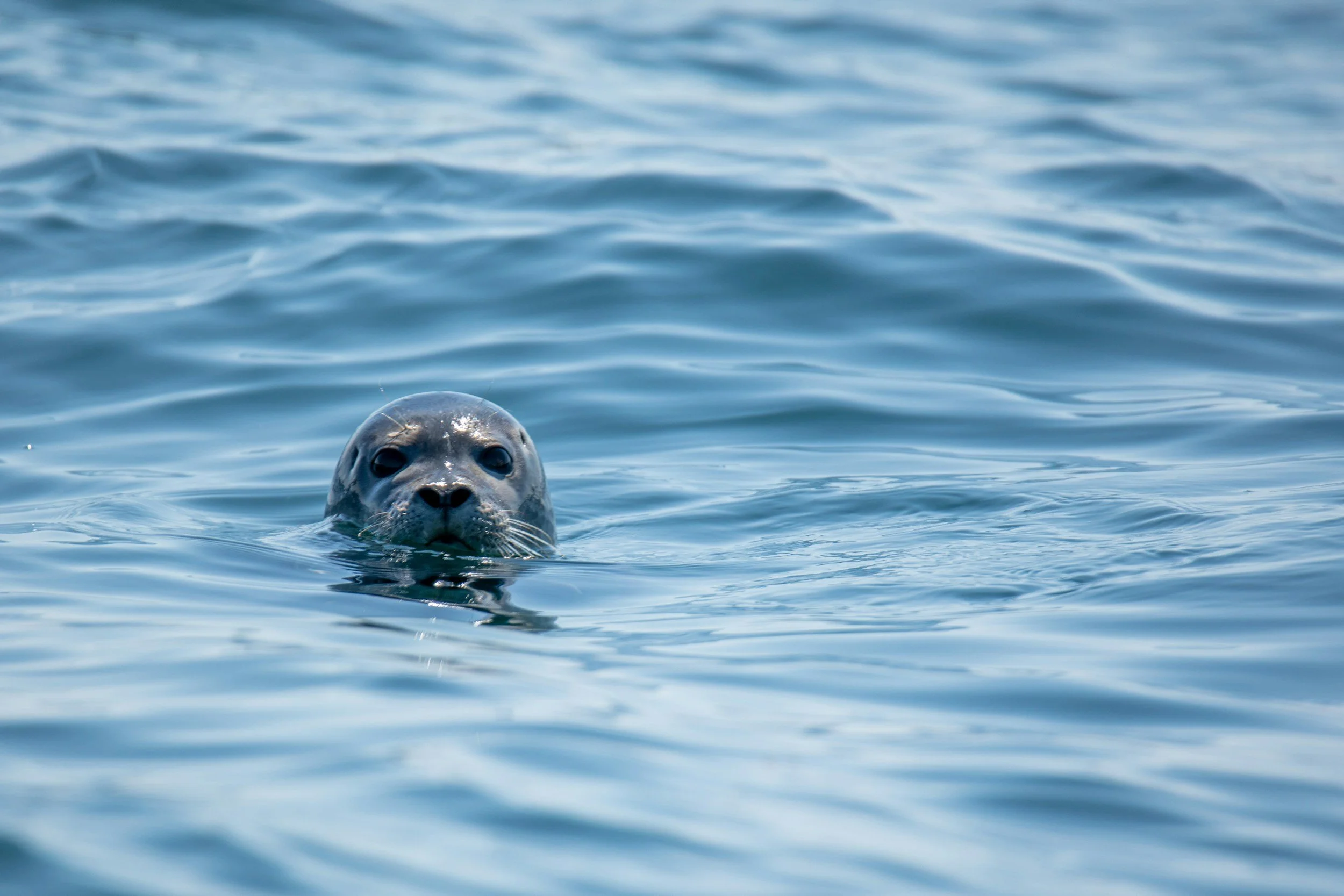
Gray seals perplex scientists with lack of response to flu infection
Something strange happens when two kinds of seals living in the waters around Cape Cod get infected with influenza – harbor seals get sick but gray seals don’t. Scientists know that both gray seals and harbor seals can contract influenza. But, generally, only harbor seals get sick and may die from the virus.
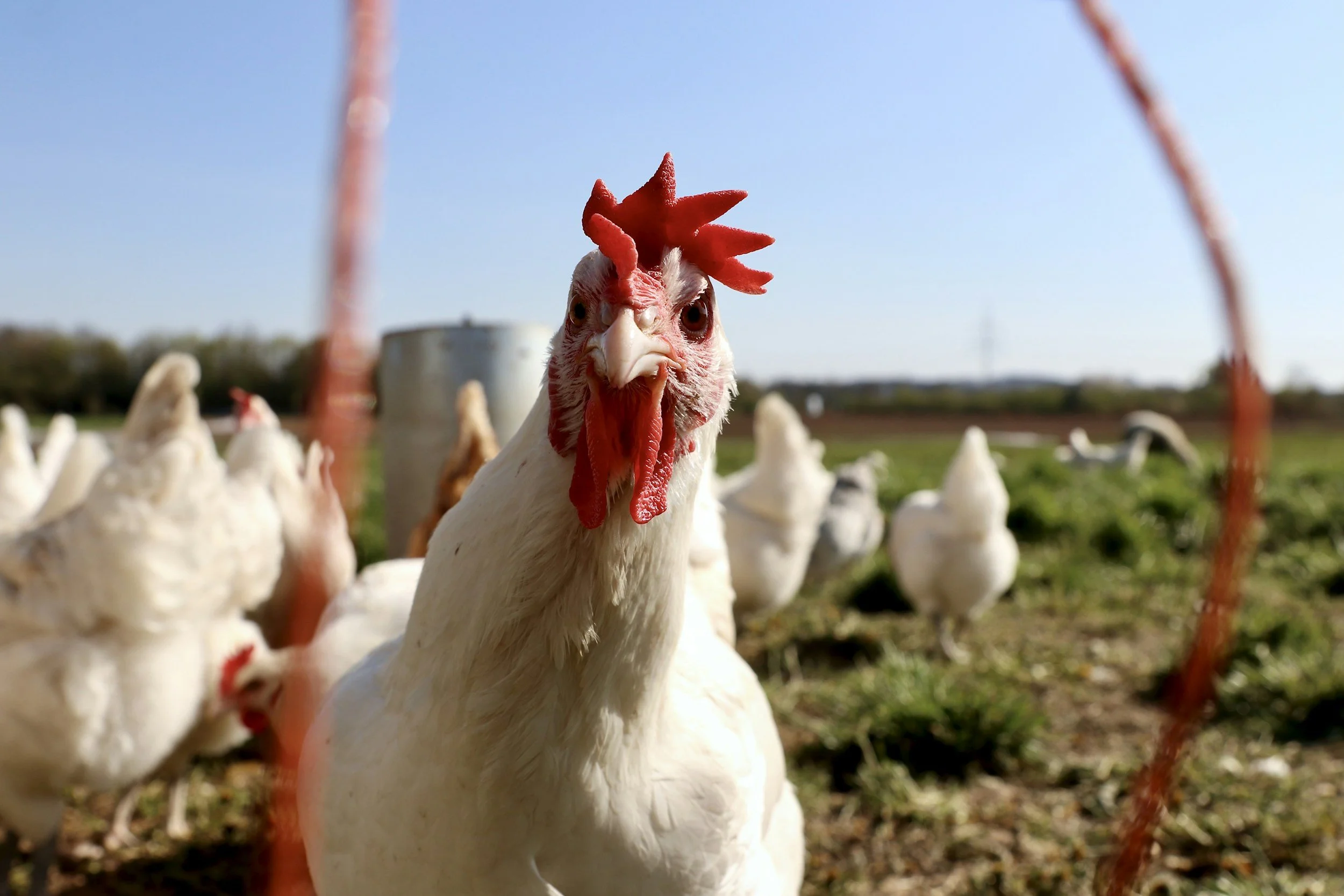
Infectious disease modelling teams invited to strengthen global response to highly pathogenic avian influenza
An international modelling challenge is calling on experts across disciplines to help tackle one of Europe’s — and the world’s — most pressing health threats: highly pathogenic avian influenza (HPAI). The initiative, which is now open for applications, seeks to improve outbreak modelling readiness and to foster international collaboration among researchers and decision makers from academic, government, and other backgrounds worldwide.