



Dechra Expands Veterinary Scholarship Program with New Focus on Critical Care
Dechra Veterinary Products is strengthening its commitment to the next generation of veterinary professionals by expanding its annual scholarship program in partnership with the American Veterinary Medical Foundation (AVMF). For 2025, the program will award over $60,000 in scholarships to veterinary students and technicians across the United States.

New Cancer Drug Offers Hope for Cats and Humans Alike
35% of treated pets with minimal side effects. The UCSF and UC Davis trial also highlights potential benefits for human head and neck cancers, using cats as models for advanced cancer research.

Wyoming Legislative Committee Rejects Veterinary Technician Licensing Bill
Wyoming lawmakers voted against sponsoring a bill to license veterinary technicians, despite a shortage of large animal veterinarians in the state. Supporters say licensing would create career pathways, improve veterinary care, and increase clinic efficiency, though individual lawmakers could still introduce the bill in 2026.

Ontario Veterinary College Welcomes Inaugural Northern Cohort to Address Veterinary Shortage
The Ontario Veterinary College welcomes its first Northern Cohort in partnership with Lakehead University. The Collaborative Doctor of Veterinary Medicine Program trains students from Northern Ontario to return home and provide essential, culturally responsive veterinary care, addressing regional shortages and strengthening animal health across the province.

Murray State Board of Regents Appoints Veterinary School Dean Pending DVM Program Approval
Murray State University appoints Dr. Laura Ken Hoffman as dean of its proposed School of Veterinary Medicine, pending CPE approval of a DVM program. Construction on the veterinary school building is planned for 2026–2027, alongside campus-wide safety and infrastructure updates.
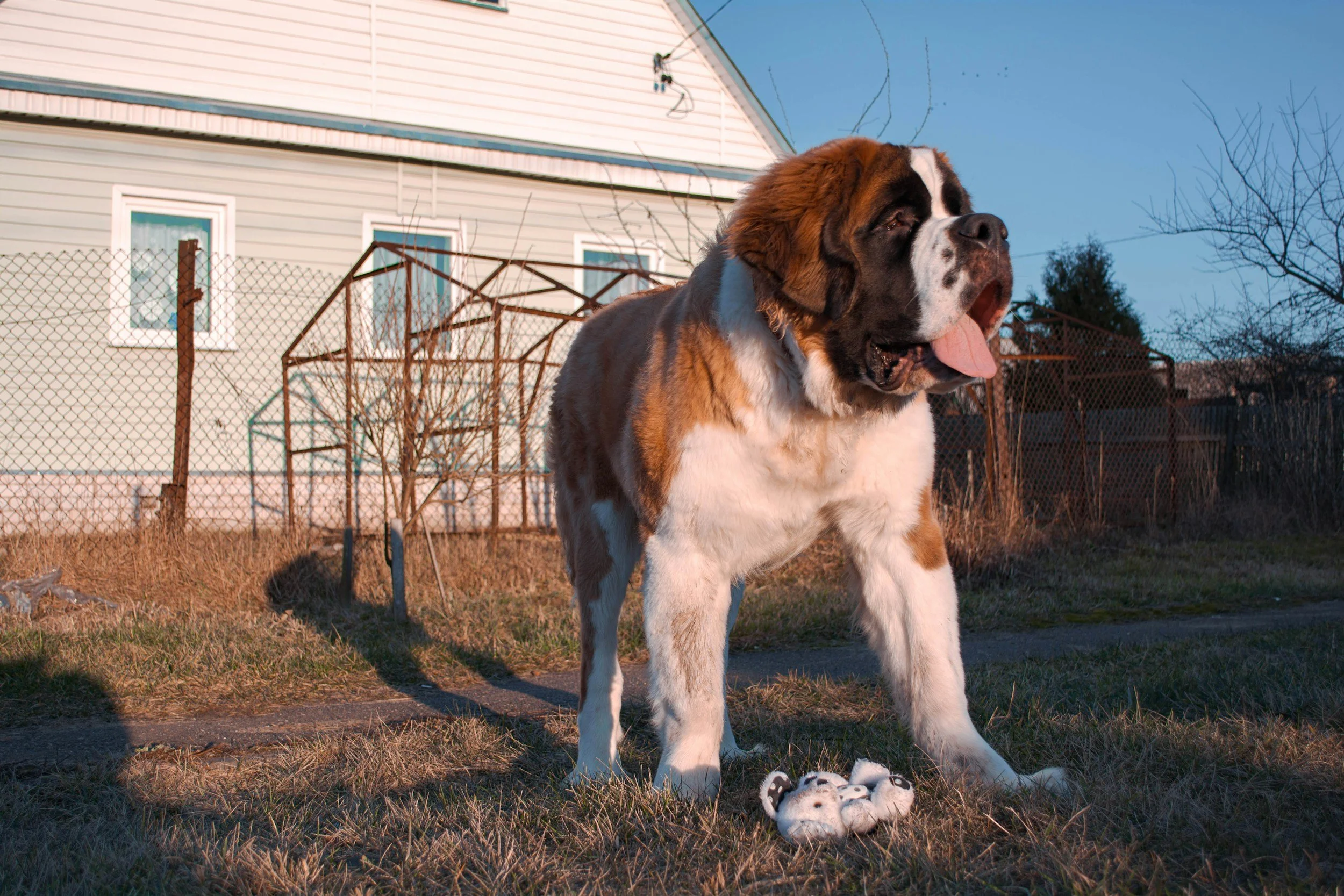
Canine Osteosarcoma: Contemporary Guidance for Veterinary Practitioners
Canine osteosarcoma (OSA) is a common and aggressive bone tumor. Current best practices emphasize limb amputation combined with adjuvant chemotherapy, while emerging treatments like immunotherapy show promise. This comprehensive guideline provides veterinarians with expert recommendations to optimize care, improve survival, and maintain quality of life for affected dogs.