


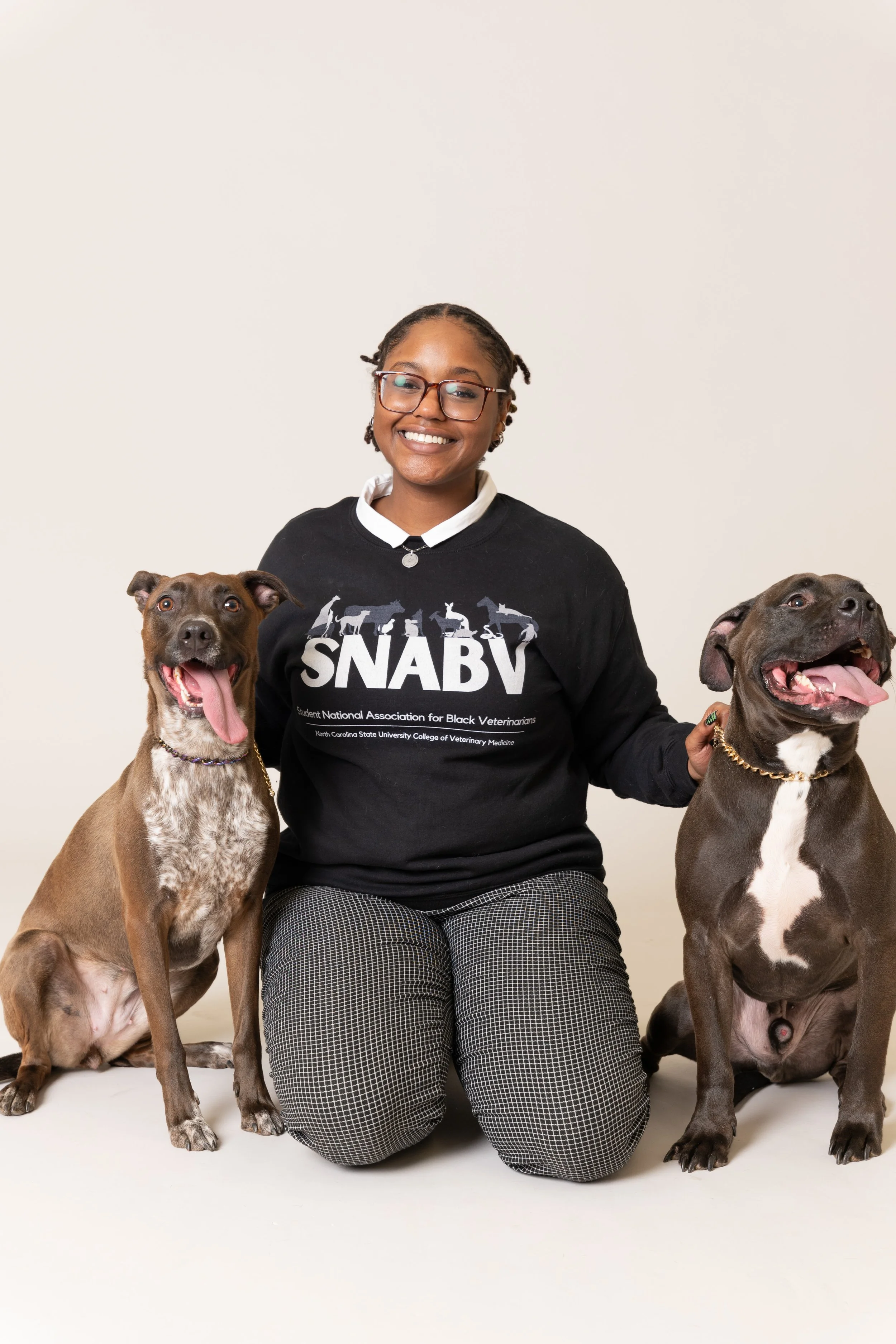
Meet Azariah Spurlock: The Future Public Health Veterinarian Inspiring Kids with Coloring Books
If you’ve ever met someone who can juggle vet school, tutoring, leadership roles, and writing a book—all while planning to protect public health—you’ve probably met Azariah Spurlock. A proud member of NC State’s College of Veterinary Medicine Class of 2027, Azariah is laser-focused on becoming a Public Health Veterinarian, working to keep our food systems safe and animals healthy.
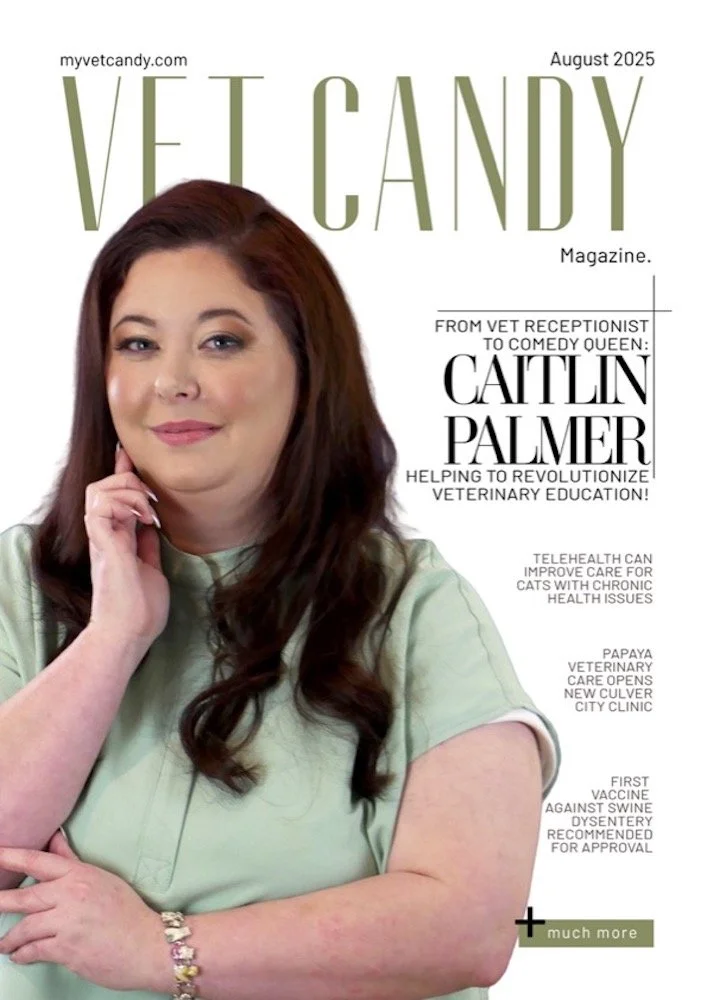
August Vet Candy Spotlight: Caitlin Palmer, Creativity Meets Veterinary Medicine
This month, Vet Candy Magazine is thrilled to shine a spotlight on Caitlin Palmer, one of the first-ever Certified Veterinary Receptionists and a true innovator in our field. Caitlin is equal parts artist, comedian, and educator, transforming the veterinary profession with humor, creativity, and heart.

Why People Choose Flat-Faced Dogs—and How Awareness Can Protect Their Health
Flat-faced, or brachycephalic, dog breeds like French Bulldogs, Pugs, Bulldogs, and Boston Terriers have surged in popularity in recent years. Their adorable looks make them appealing, but these breeds are prone to serious health issues, including breathing problems, overheating, and eye injuries. A recent study from an Italian veterinary teaching hospital explored why owners choose these dogs and how aware they are of potential welfare concerns.
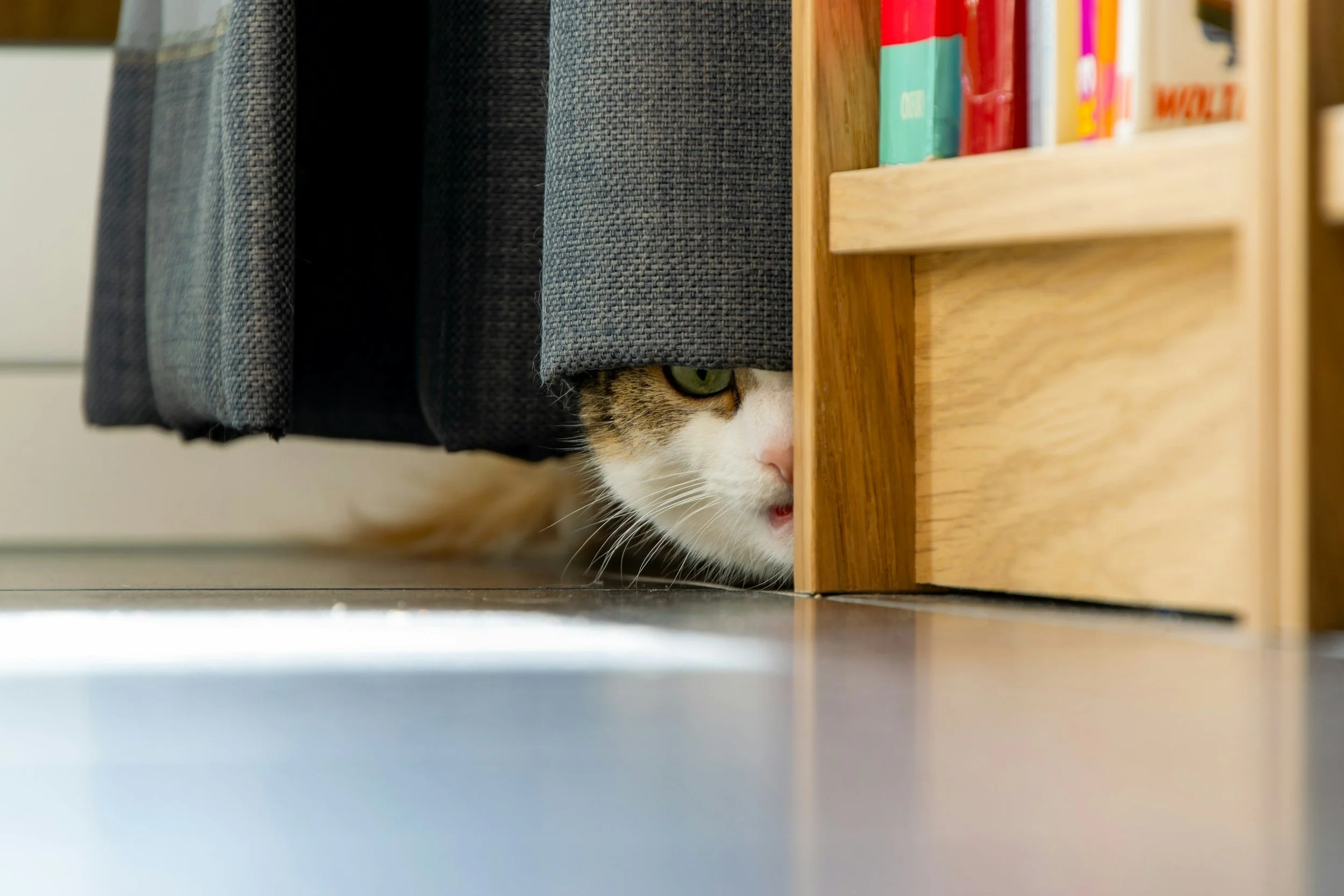
Understanding and Managing Fear, Anxiety, and Stress in Domestic Cats
Domestic cats are among the most beloved pets worldwide, yet despite their popularity, many owners and veterinarians struggle to fully understand their unique behavioral and emotional needs. This gap often leads to challenges in human-cat interactions, behavioral issues, and stress-related health problems.
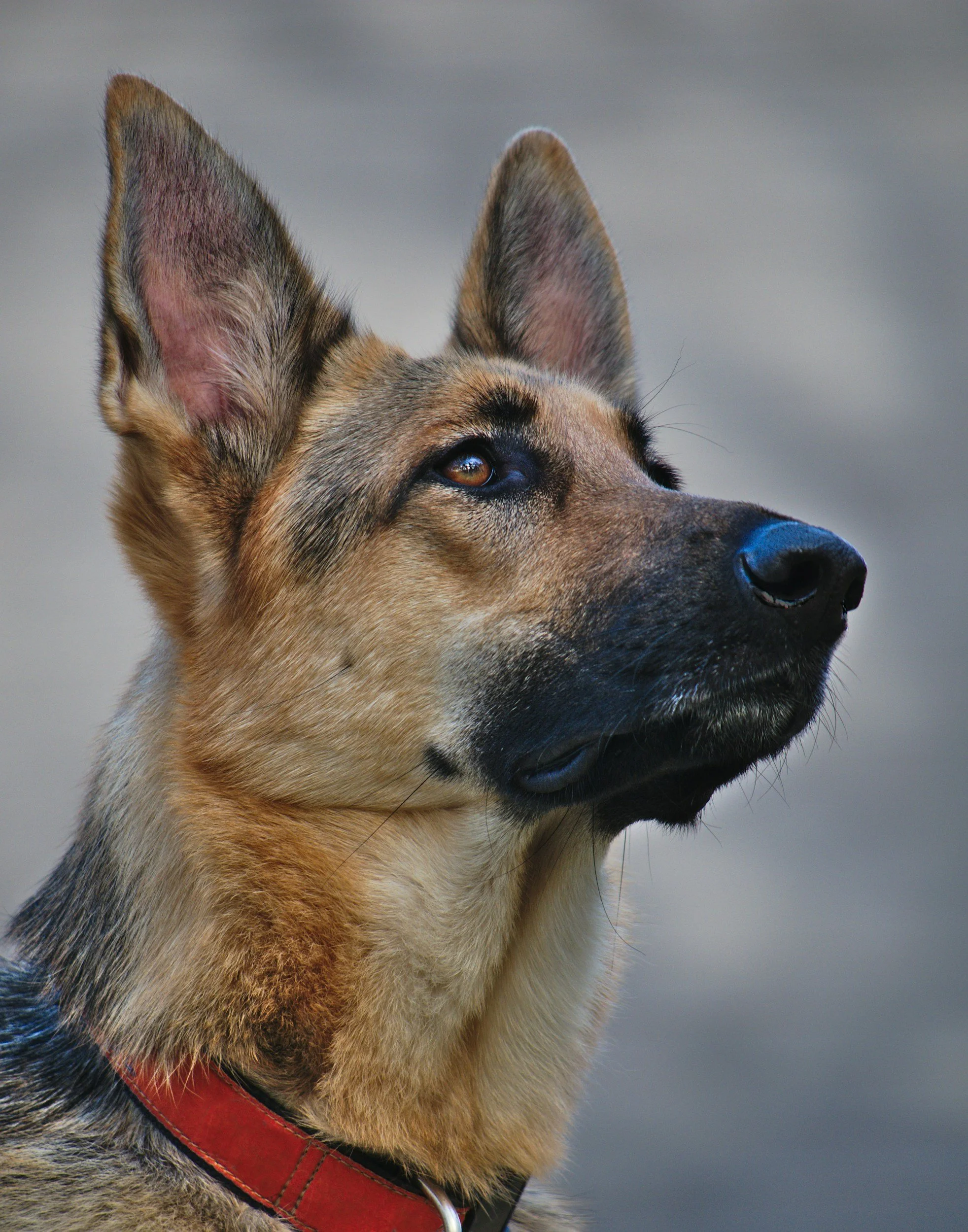
Cornell’s Duffield Institute for Animal Behavior hosts inaugural service dog symposium
On July 31 and August 1, the Cornell University College of Veterinary Medicine (CVM) hosted the inaugural Duffield Institute Service Dog Symposium, welcoming 92 attendees and over 25 service dogs to CVM’s campus.
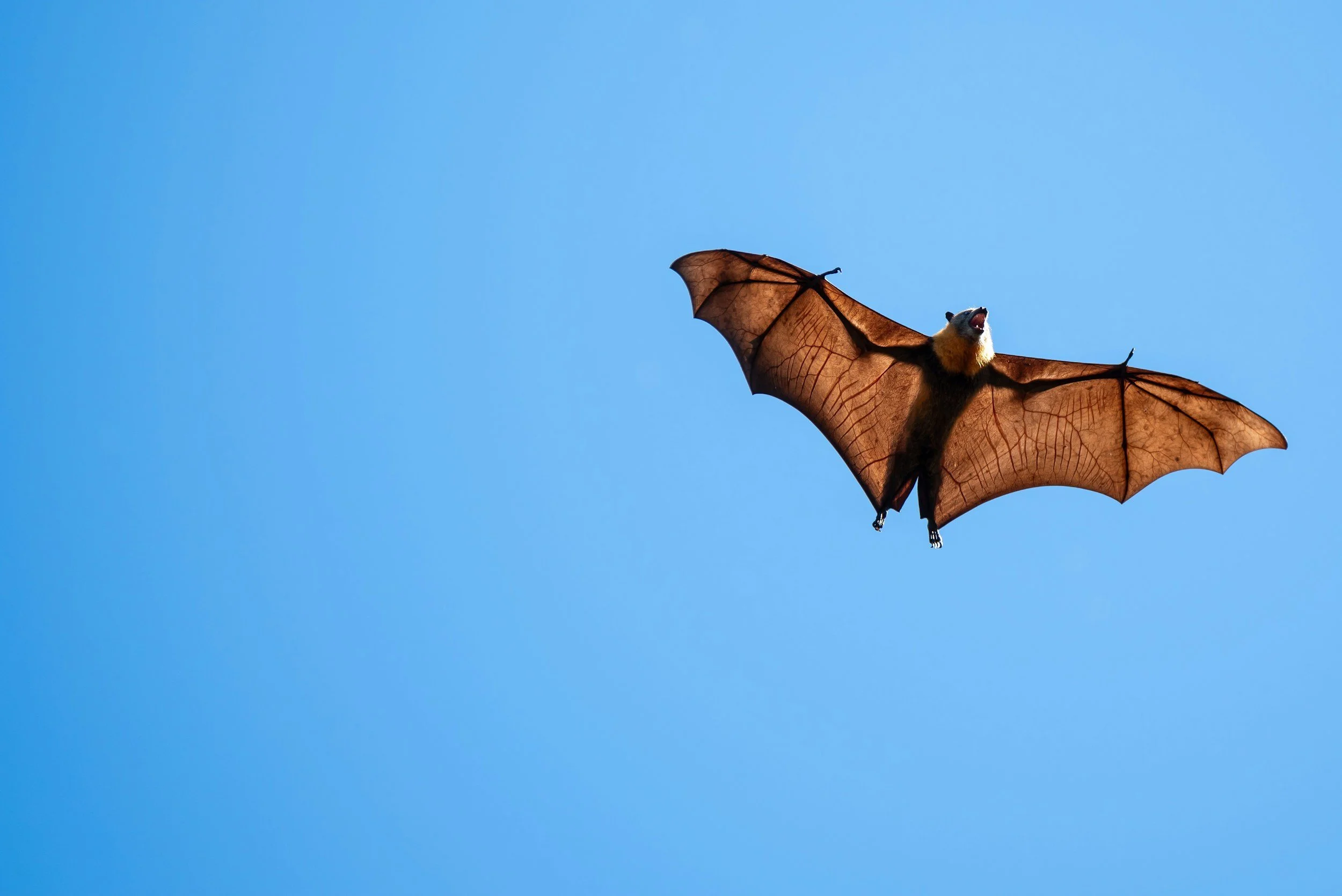
‘Teen’ bats most likely to spread mutant coronaviruses
Raina Plowright, professor in Cornell’s Department of Public and Ecosystem Health, and colleagues unveiled new insights into the natural dynamics of coronaviruses circulating in wild bats, which are their reservoir hosts, in a new Nature Communications paper. When young bats are weaned, they’re more prone to viral infections, and more likely to shed those viruses into the environment.