



Senate Veterinary Medicine Caucus Expands to Address Critical Issues in Animal and Public Health
The U.S. Senate Veterinary Medicine Caucus, a bipartisan group dedicated to advancing veterinary policy and public health priorities, has expanded its membership in the 119th Congress. Originally founded in 2023, the caucus is co-chaired by Senators Cindy Hyde-Smith (R-Miss.) and Amy Klobuchar (D-Minn.) and brings together lawmakers focused on addressing the growing challenges within the veterinary field.

Zoetis Announces Second Quarter 2025 Results, Raises Full Year 2025 Outlook
Zoetis reported revenue of $2.5 billion for the second quarter of 2025, an increase of 4% compared with the second quarter of 2024. On an organic operational basis, revenue for the second quarter of 2025 increased 8% compared with the second quarter of 2024. Net income for the second quarter of 2025 was $718 million, or $1.61 per diluted share, an increase of 15% and 18%, respectively, on a reported basis.

Novel cancer vaccine offers new hope for dogs — and those who love them
A novel vaccine developed at Yale University has shown promising results in treating dog cancers like osteosarcoma. Learn how it works and what it means for your pet’s future.

Renowned avian expert, Dr. Jarra Jagne, awarded highest alumni honor at Cornell University's College of Veterinary Medicine
Dr. Jarra Jagne, a globally recognized leader in poultry health and One Health, has been named the 2025 recipient of the Daniel Elmer Salmon Award for Distinguished Alumni Service—the highest alumni honor bestowed by Cornell University’s College of Veterinary Medicine.

Winning by a nose: Dog behavior is linked to head shape
Short-nosed dog breeds, like French Bulldogs and Pugs, remain immensely popular. But are they truly better companion animals than other breeds? According to a new study by ethologists at Eötvös Loránd University (ELTE), short noses may indeed influence behavior — but just as important are small body size and owner treatment. These dogs are often spoiled and less frequently trained, which affects their behavior. While short-nosed dogs may be calmer and less reactive, these potential benefits often fail to emerge without proper upbringing.
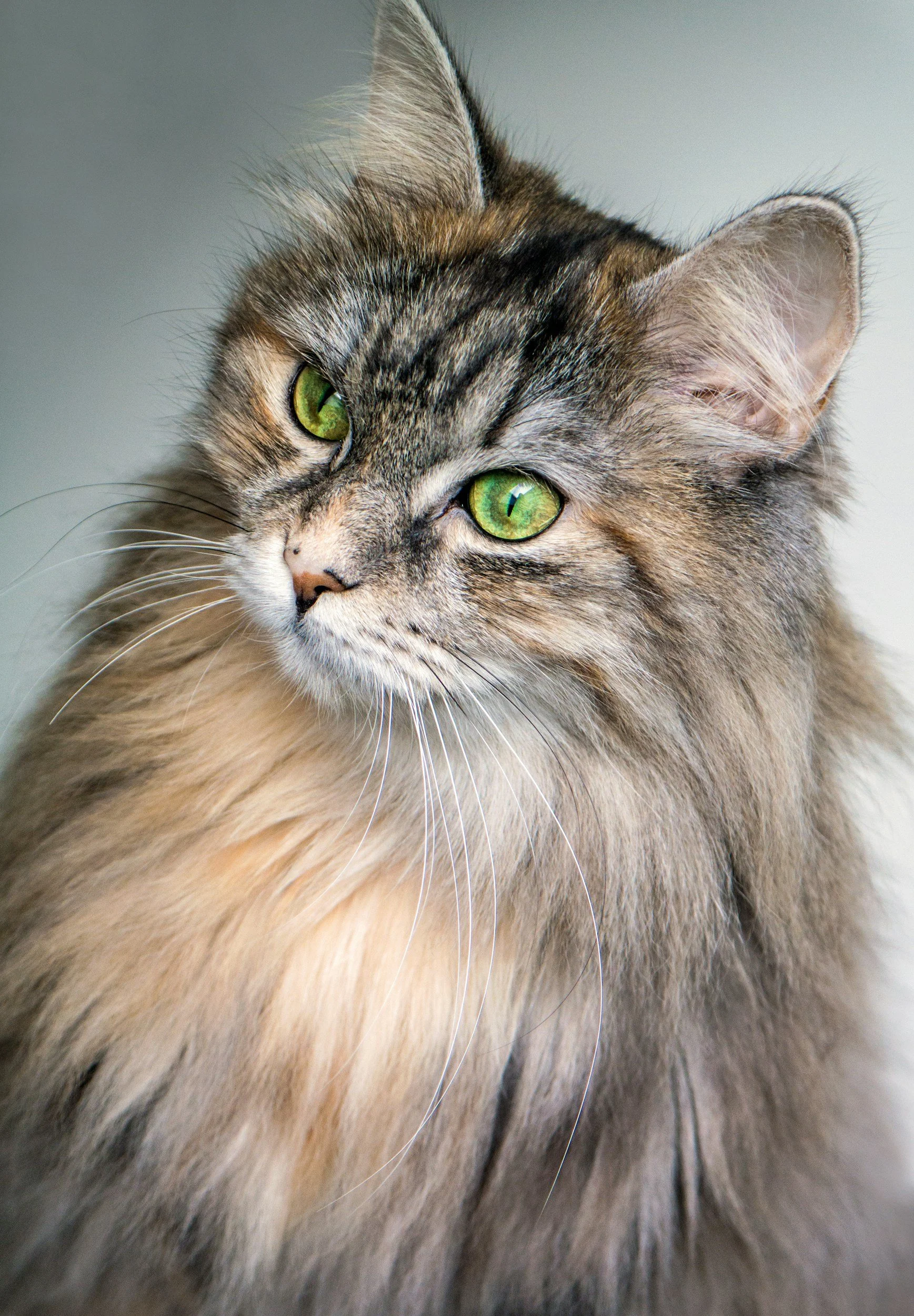
Genetic test detects early signs of kidney disease in cats
Created by researchers at Washington State University’s (WSU) College of Veterinary Medicine, the test—called Feline Apoptosis Inhibitor Macrophages (FAIM)—identifies a specific genetic variation that compromises a cat’s ability to produce a key protein responsible for kidney repair. This early detection tool is designed to identify cats genetically predisposed to progressive CKD, a condition that affects nearly 30–50% of cats over the age of 11 and can result in kidney failure, cardiovascular disease, anemia, and hypertension.