


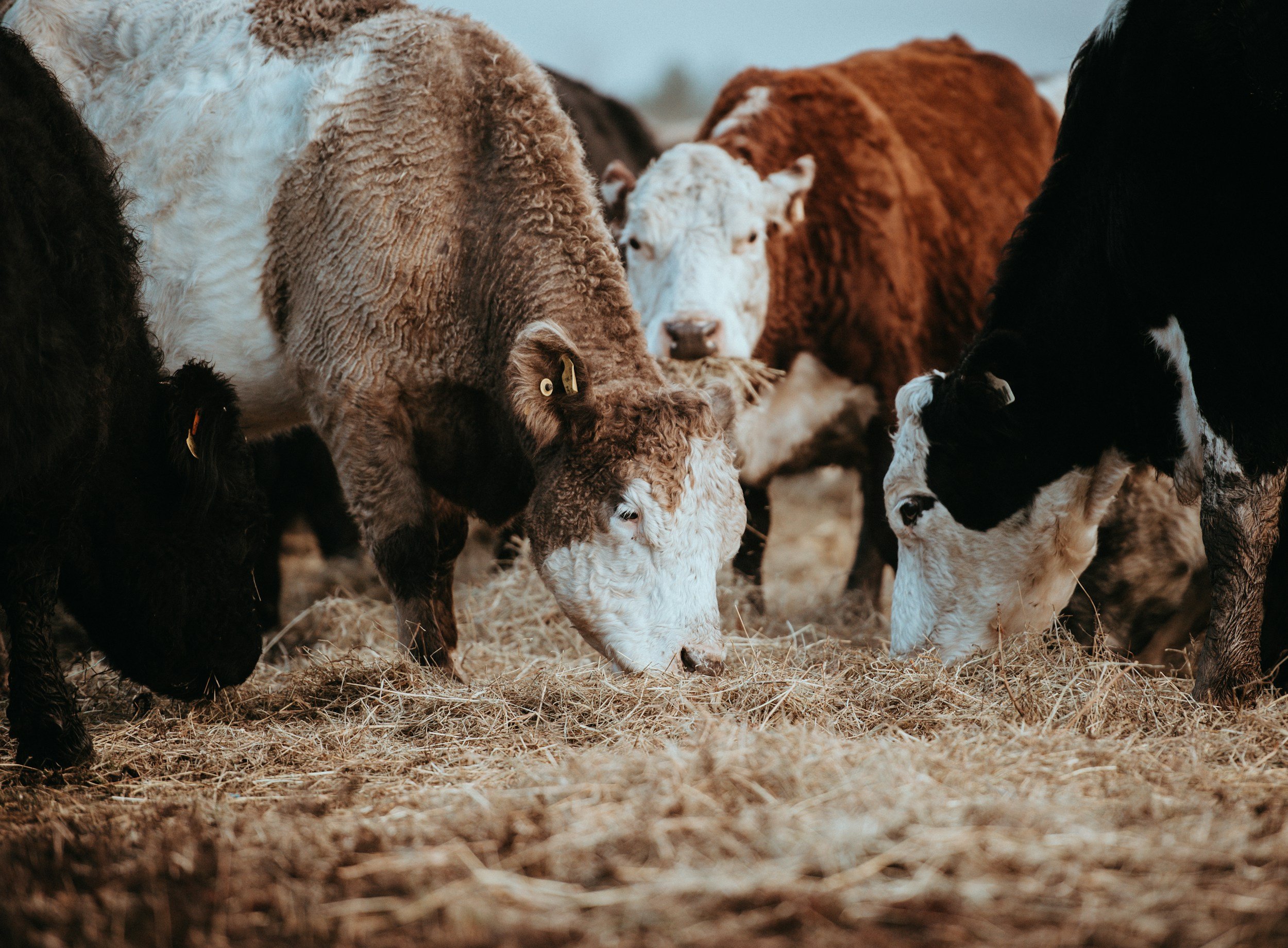
Oklahoma's livestock industry at crossroads amid vet shortage
Oklahoma’s livestock industry is facing a critical shortage of rural veterinarians, with more than 80% of counties reporting inadequate veterinary coverage over the past five years. The gap is raising concerns about the future of animal agriculture in the state and the stability of rural economies.

UCD’s Professor David Brayden Honoured with Sustainable Laboratory Certification
Professor David Brayden has been awarded a prestigious Sustainable Laboratory Certification, recognizing his leadership in advancing environmentally responsible practices in scientific research. The certification was announced by Minister for Further and Higher Education, Research, Innovation and Science, James Lawless TD, as part of a nationwide initiative promoting sustainability in research environments.

Pioneer cohort of ninety new vets graduate from Harper and Keele Veterinary School
Harper and Keele Veterinary School has reached a major milestone with the graduation of its inaugural class—90 new veterinarians who are now officially entering the profession. This landmark achievement comes just as the school has been ranked the UK’s top veterinary medicine program in the latest National Student Survey.
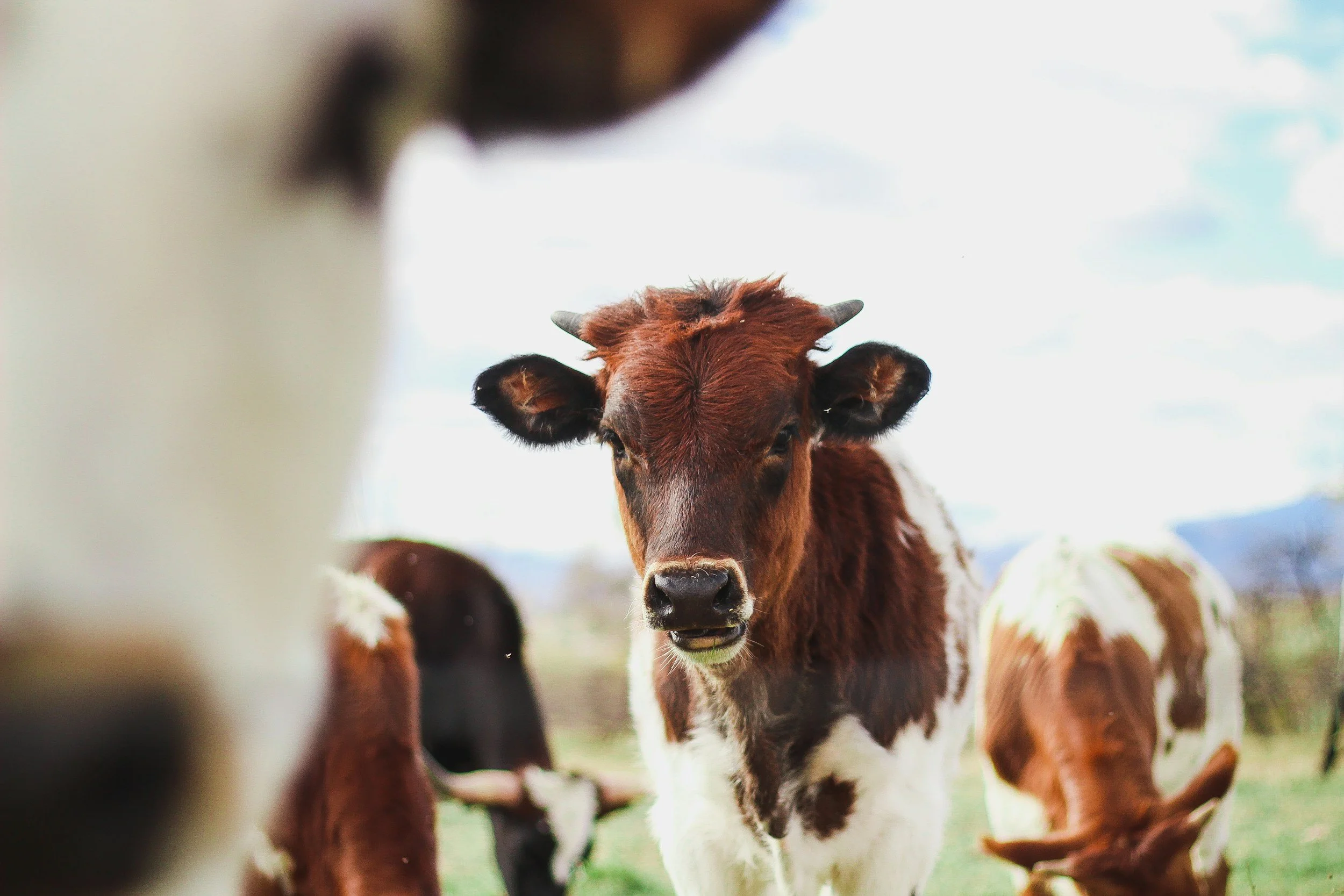
WSU veterinary hospital closes to large ag animal emergencies, after hours
Washington State University’s veterinary teaching hospital has stopped accepting emergency and after-hours in-house cases for agricultural animals due to staffing shortages. The change has raised concerns among veterinarians and ranchers who rely on the hospital for advanced care and referral services.
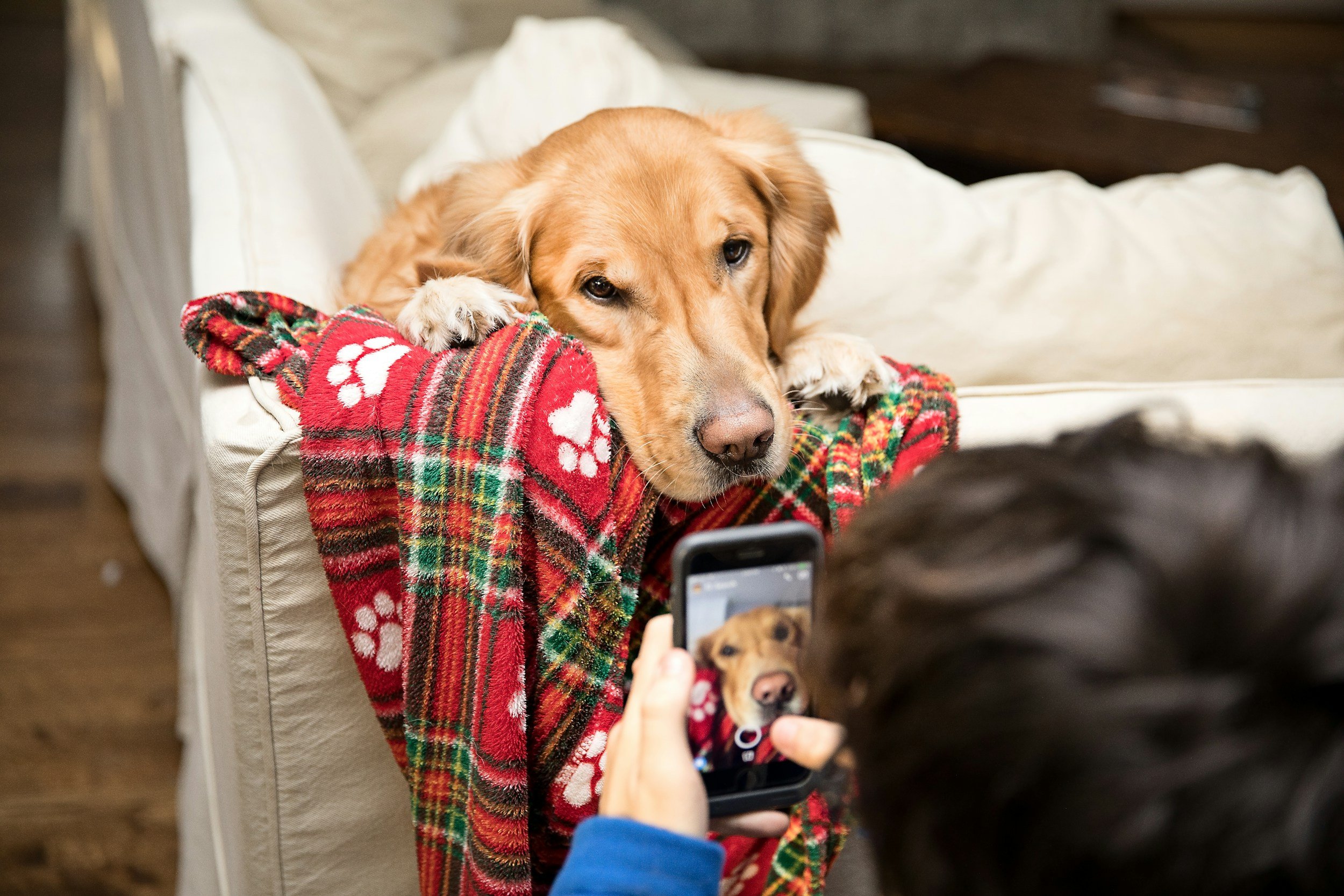
Ohio Lawmakers Loosen Veterinary Telemedicine Rule
A new Ohio law will allow veterinarians to diagnose and treat animal patients via telemedicine without first conducting an in-person physical examination, marking a significant shift in veterinary practice standards. The provision, included in a sprawling state budget bill signed by Governor Mike DeWine on June 30, takes effect September 30.

Pilot Study Evaluates Lipoma Reduction with Injectable Ice Slurry in Dogs
Ten dogs with two similarly sized lipomas each were enrolled. One lipoma per dog was injected with BXT-786, while the other received saline as a control. Tumor size was measured via calipers and ultrasound by blinded observers at 2, 4, 8, and 12 weeks post-injection. Lipomas were surgically removed at 12 weeks for histopathology.