


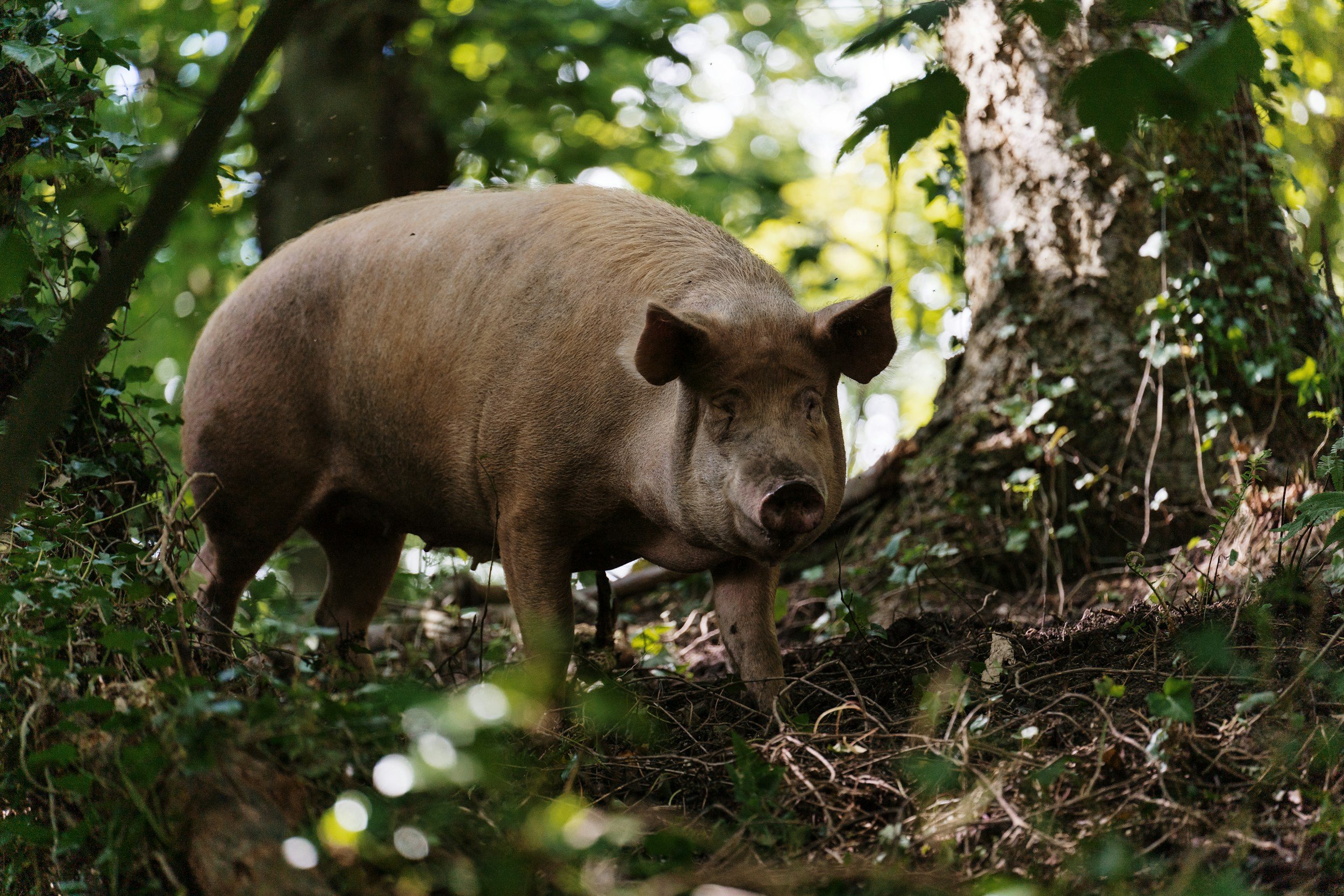
Wild pigs are costing Georgia farmers
Weather, disease and pests aren’t the only things that can wreak havoc on Georgia’s agricultural industry. New University of Georgia research found wild pigs to be a startling cause of damage on farms and crops.

Scientist’s cat, again, helps discover new virus
John Lednicky, Ph.D., Pepper’s owner and a University of Florida College of Public Health and Health Professions virologist, took Pepper’s catch — a dead Everglades short-tailed shrew — into the lab for testing as part of his ongoing work to understand transmission of the mule deerpox virus.

Do dogs judge you?
Many people tend to trust dogs' instincts regarding humans. If dogs gravitate towards you, dog lovers will likely see you as safe and trustworthy, but if dogs are apprehensive around you, some may begin to question your character. Yet how and even if dogs socially evaluate people remains a mystery.

Dog screen time habits vary by personality
The way household dogs engage with TV may depend on their personalities, suggests research published in Scientific Reports. Excitable dogs were more likely to follow on-screen objects while fearful or anxious dogs were more likely to respond to stimuli such as cars or a doorbell, with the dogs surveyed watching TV for an average of 14 minutes and eight seconds.
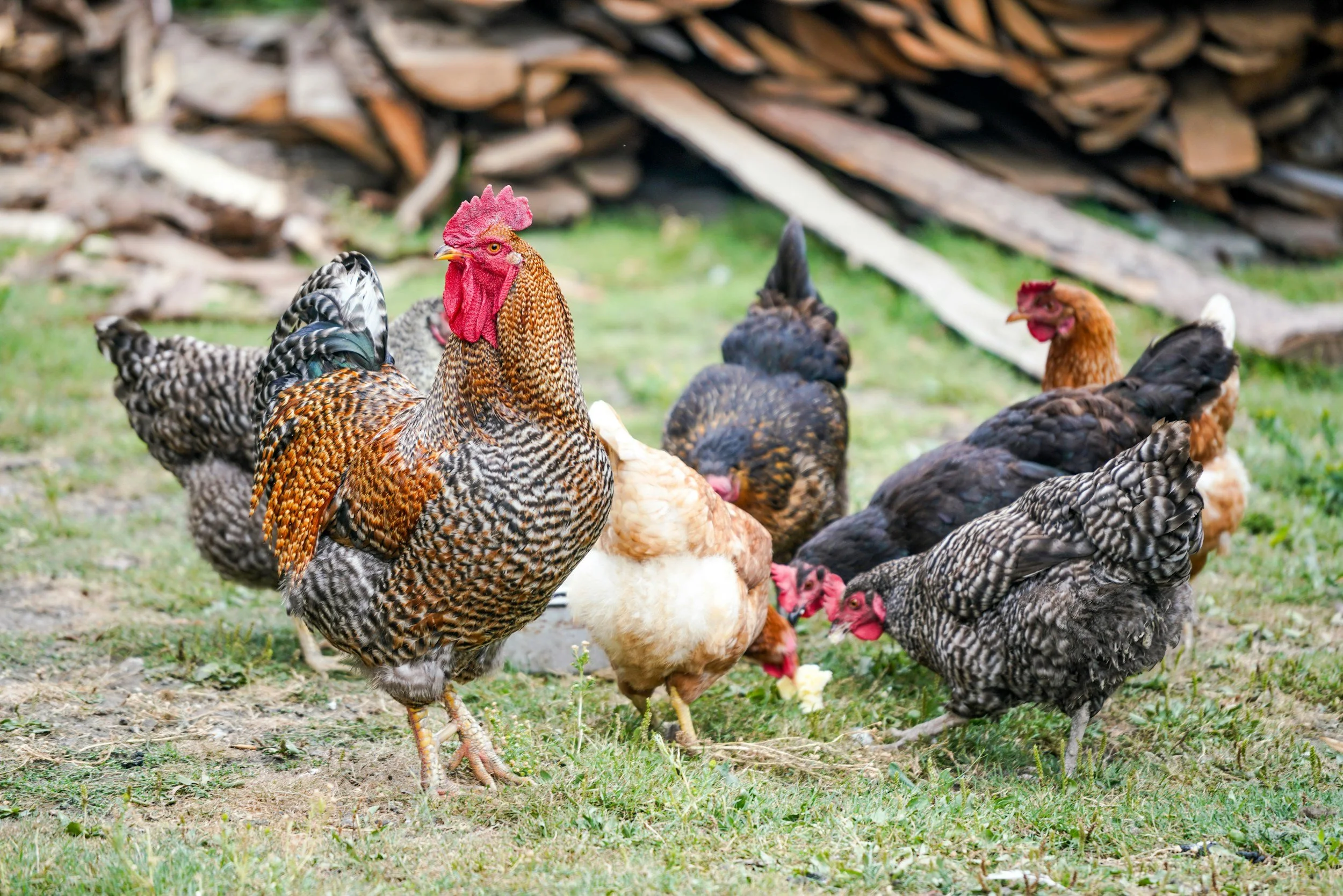
Key predictors of avian flu outbreaks identified
Several local factors — including the minimum temperature reached in autumn, the water level in lakes and ponds in winter, and the presence of mute swans (Cygnus olor) — could be key for predicting the potential of an outbreak of highly pathogenic avian flu (HPAI) occurring in Europe. The findings, published in Scientific Reports, are derived from a machine learning model trained on the characteristics of 21st century European HPAI outbreaks and could help improve future monitoring programmes.
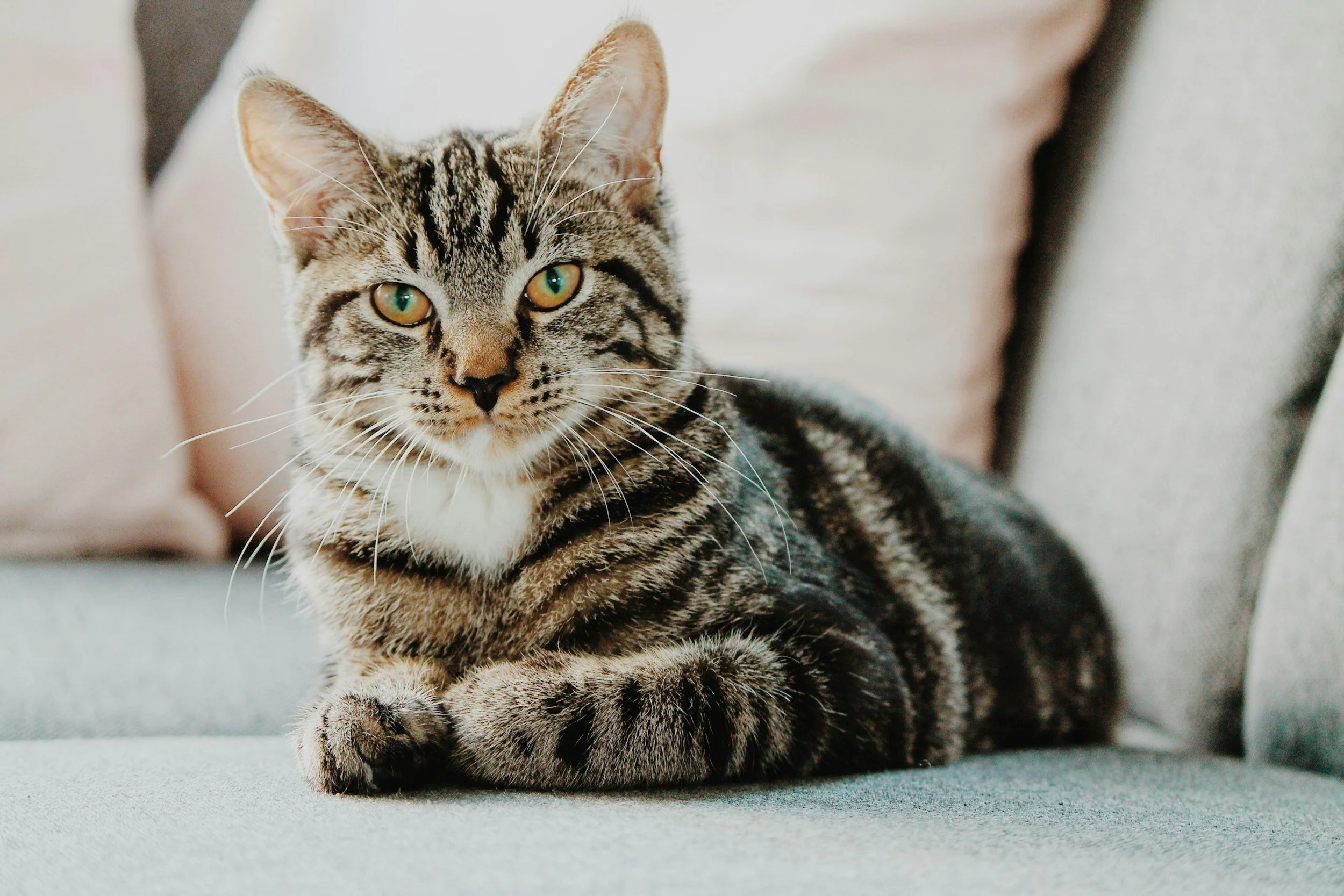
What cats may teach us about Long COVID
Feline infectious peritonitis, or FIP, is a serious and historically fatal disease in cats caused by a coronavirus. It behaves in many ways like severe coronavirus infections in humans, causing widespread inflammation, T cell exhaustion, and chronic immune dysfunction. Scientists at the University of California, Davis, have found that mesenchymal stromal cells, or MSC therapy, in combination with antiviral drugs, helped cats’ immune systems recover and reduced systemic inflammation. The study was published in STEM CELLS Translational Medicine.