


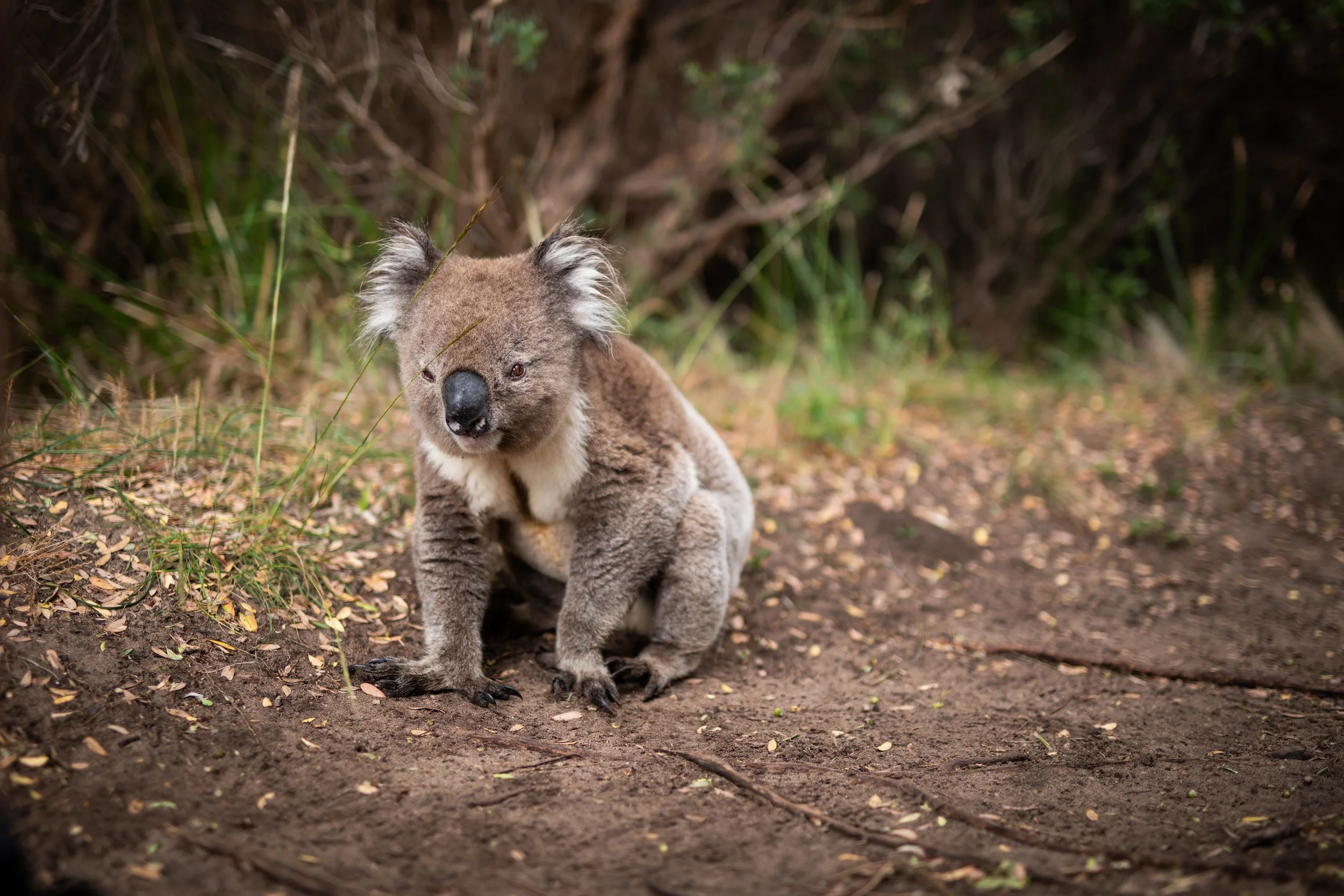
Koalas spend only 1% of their life on the ground – but it’s killing them
Koalas are a nationally endangered and iconic species in Australia, yet their populations are rapidly declining due to habitat loss, fragmentation, and disease, and very little is known about the fine-scale movements of koalas – especially when they’re on the ground. New research reveals that koalas only spend around 10 minutes per day on the ground, but this ground-time is associated with two-thirds of recorded koala deaths.

From Doubt to Determination: Kumila Moonoosamy’s Journey to Becoming a Voice for the Voiceless
Long before she set foot in a veterinary clinic, Kumila Moonoosamy had already written the first chapter of her story. At just five years old, growing up on the island of Mauritius, she dreamed of becoming a veterinarian. Her love for animals wasn’t taught — it was instinctive, rooted in compassion and a fascination with the natural world. But as she got older, the road to veterinary medicine seemed to narrow. High school science courses challenged her, and for a time, she let go of the dream, convinced it wasn’t meant for her.

New Texas laws aims to streamline pet owners’ complaints, standardize veterinary practices
Two new Texas laws passed during the latest legislative session aim to help pet owners make more informed decisions about veterinary care while standardizing oversight of animal care facilities, experts say.
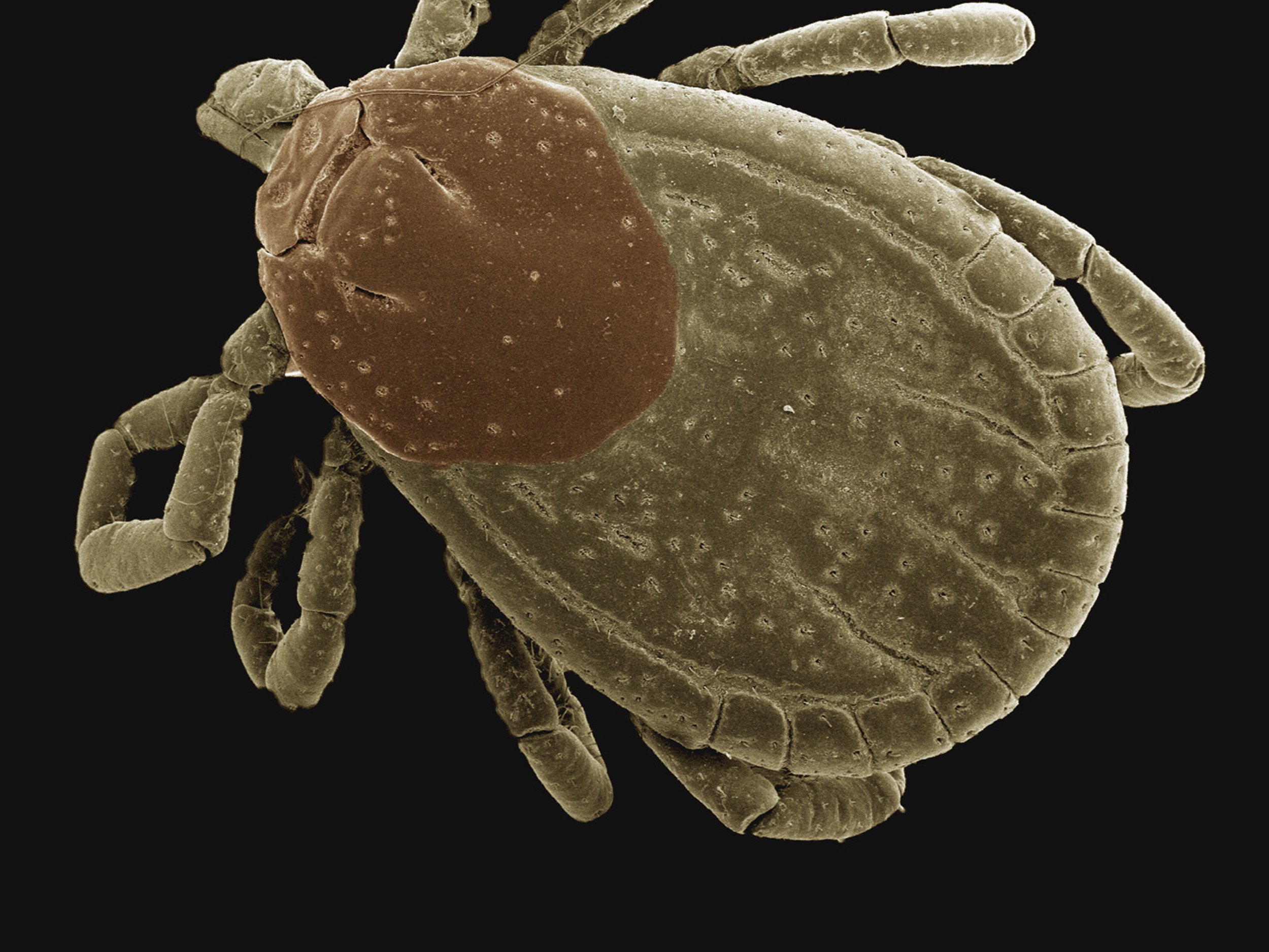
Structure of tick-borne virus revealed at atomic resolution for the first time
The team used a surrogate to study POWV. Using the yellow fever vaccine virus, a weakened strain of the yellow fever virus that’s less infectious, they swapped out two protein genes and replaced them with two genes that encode the structural proteins found on the surface of POWV. These proteins — envelope proteins and membrane proteins — are arranged on the surface of POWV in a herringbone-like pattern. It’s a standard and safe practice that has been used to study the surface structure of other types of viruses, Joyce said.
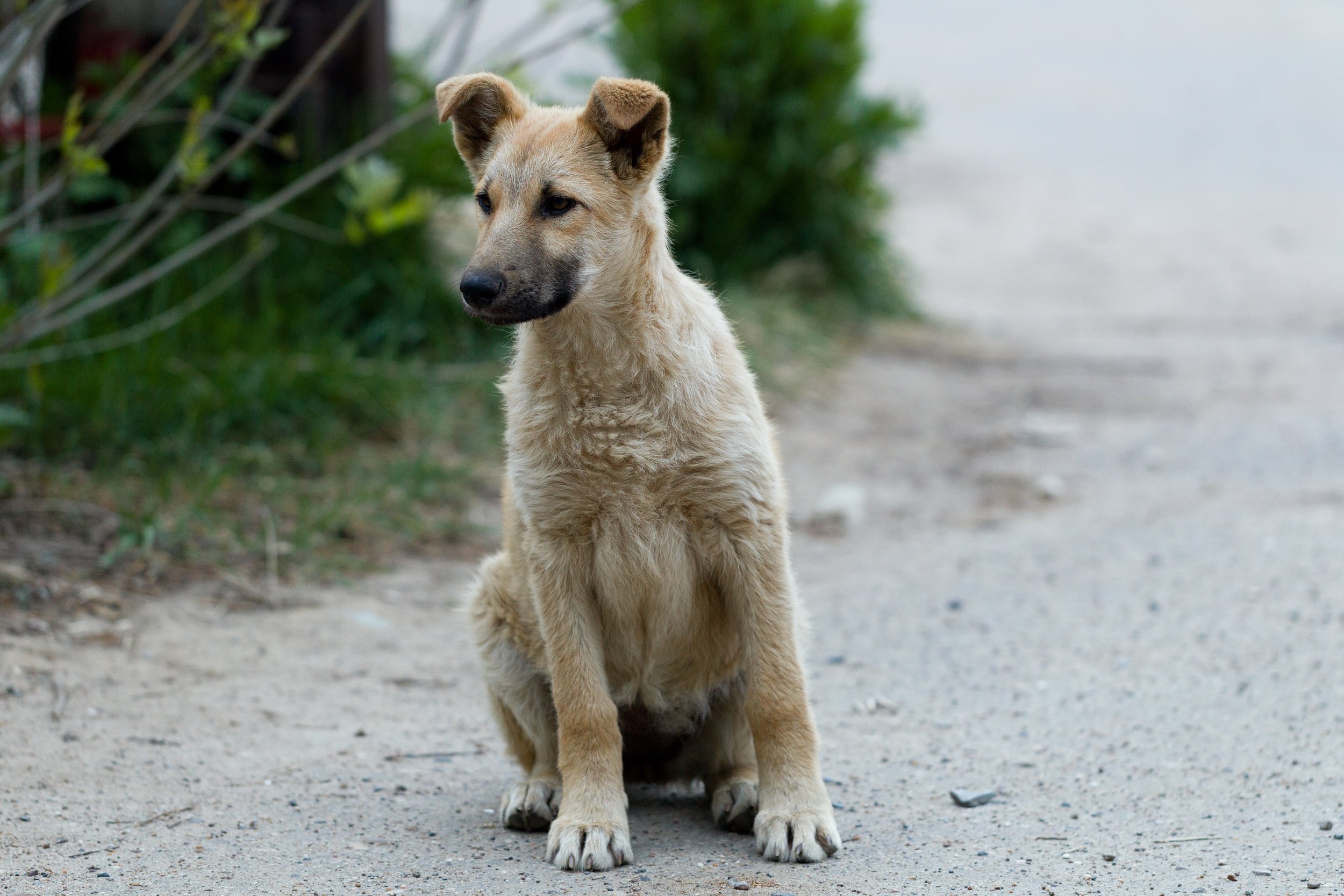
Exploring animal life in the radioactive shadows of Chornobyl and Fukushima
A team of researchers in France are building on fundamental experimental research undertaken in the Ukrainian Chornobyl exclusion zone with a new project in the Japanese Fukushima Prefecture to further our understanding of what it means for animals to live and reproduce in radioactive environments.

Study suggests lemurs age differently than humans
In newly published research on age-related inflammation in ring-tailed and sifaka lemurs, Guevara discovered that perhaps we should rethink the inevitability of inflammaging in humans.