



Student Loan Forgiveness Uncertainty: How Veterinary Students Can Navigate the Future of PSLF
As veterinary students across the country continue their studies with hopes of giving back to their communities, many are facing mounting student loan debt. With the future of Public Service Loan Forgiveness (PSLF) uncertain, this concern has become especially pronounced for those planning careers in public service or nonprofit sectors—many of which are common paths for veterinarians.

Veterinary Students Face Uncertainty as Key Federal Loan Repayment Plans Halted: What You Need to Know
The growing burden of student loan debt has long been a concern for veterinary students, who often graduate with hundreds of thousands of dollars in debt. With the Trump administration's recent decision to suspend enrollment in several popular federal student loan repayment plans, this issue is becoming even more pressing for those hoping to manage their payments and achieve student loan forgiveness through programs like Public Service Loan Forgiveness (PSLF).

Is Your Patient’s Epilepsy Hiding a Bigger Problem? The MRI Findings That Could Change Everything!"
Researchers at the University of Liverpool examined over 400 epileptic dogs with normal neurological exams between seizures. While most had no obvious structural issues, 3.9% were found to have serious underlying conditions, including brain tumors, congenital anomalies, and inflammatory diseases. The risk increased dramatically with age—older dogs and those with a history of prolonged seizures were far more likely to have an underlying structural cause.
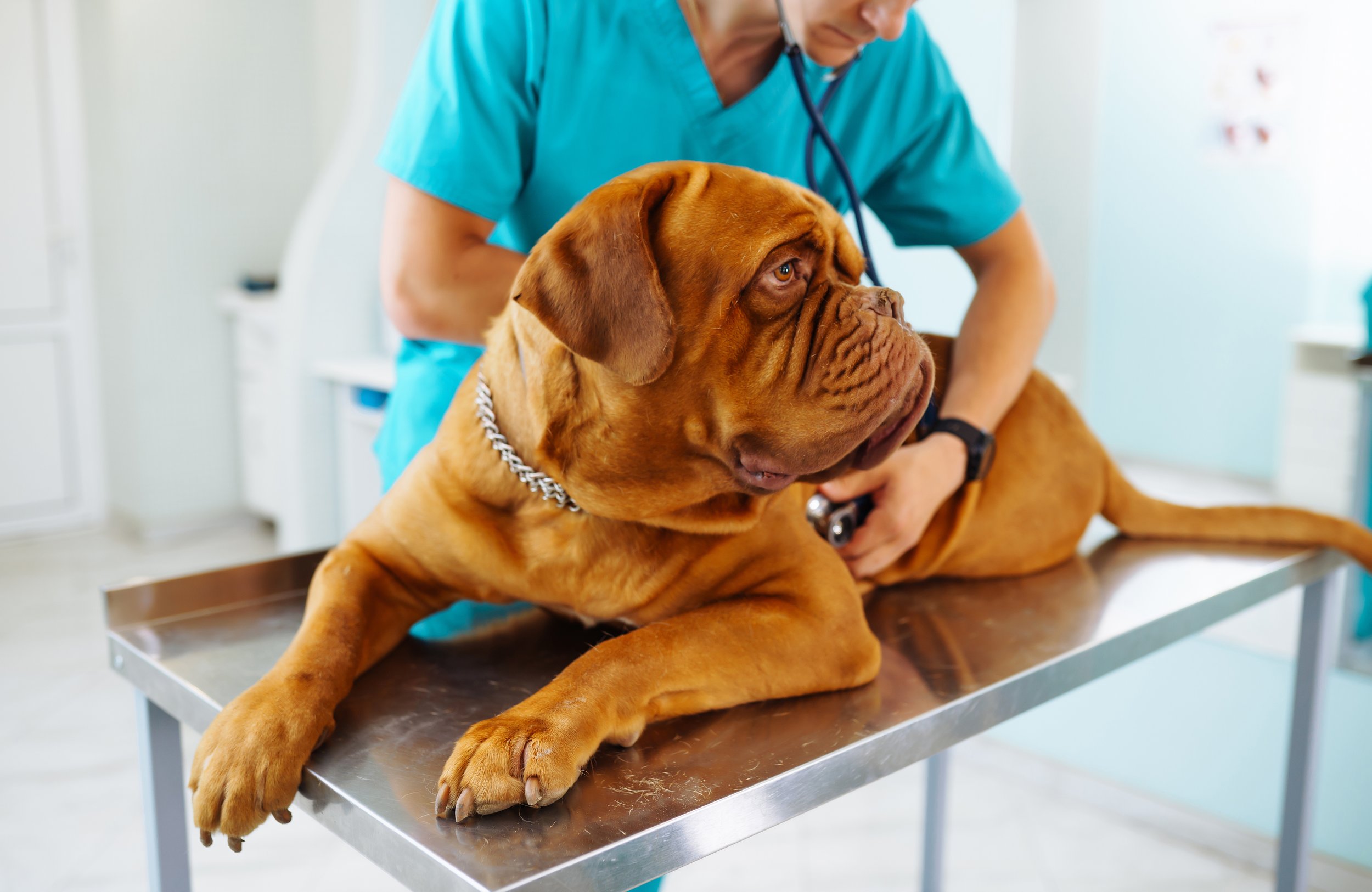
Could Your Patient's Gut Be Causing Seizures? The Shocking Link Between Microbiota and Canine Epilepsy
For years, canine epilepsy has remained one of the most perplexing neurological disorders affecting our beloved pets. But what if the answer to managing your dog's seizures wasn’t just in their brain—but in their gut?

How an emerging disease in dogs is shedding light on cystic fibrosis
A canine gallbladder disease that involves the accumulation of abnormal mucus similar to that seen in human cystic fibrosis (CF) patients is caused by improper expression of the gene associated with CF in humans. The finding could have implications for human CF patients as well as for animal models of CF.

Study of deadly dog cancer reveals new clues for improved treatment
Researchers at the University of Florida College of Veterinary Medicine and the UF Health Cancer Center have identified a crucial link between a gene mutation and immune system signaling in canine hemangiosarcoma, a discovery that could lead to better treatments for both dogs and humans with similar cancers.