



Protected habitats aren’t enough to save endangered mammals, MSU researchers find
Tropical forests are massive biodiversity storehouses. While these rich swathes of land constitute less than one-tenth of Earth’s surface, they harbor more than 60% of known species. Among them is a higher concentration of endangered species than anywhere else on Earth.

Scientists call for efforts to protect habitats of critically endangered shark species
A critically endangered species of shark could be forced to adapt to new habitats – or face extinction – as a result of changes in the ocean predicted to occur as a result of climate change, a new study has suggested.
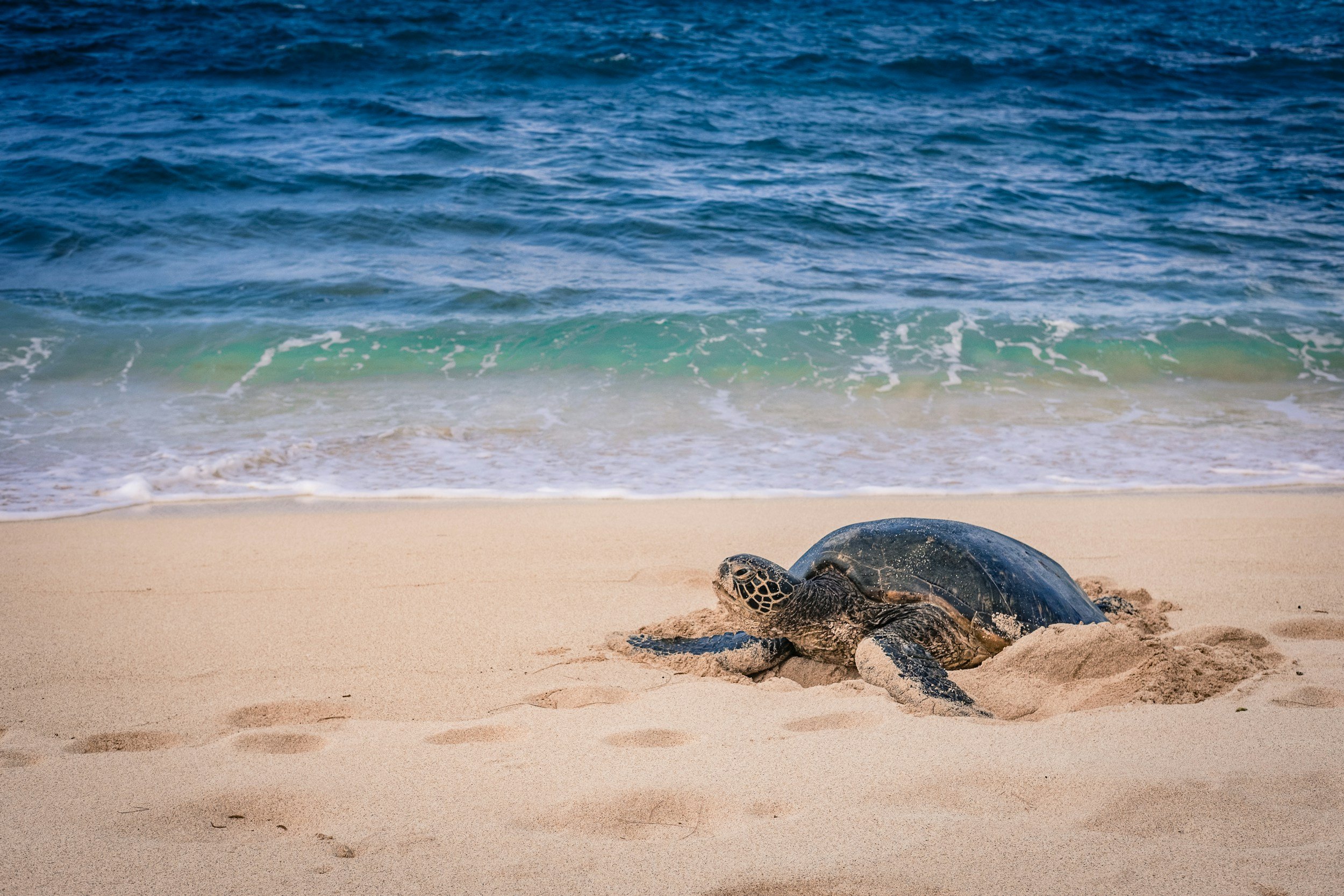
Turtles change nesting patterns in response to climate change
New research shows that turtles are responding to climate change by nesting earlier.
Researchers monitoring nesting green and loggerhead turtles in Cyprus have discovered they are returning to their regular nesting spots earlier each year to compensate for rising temperatures.
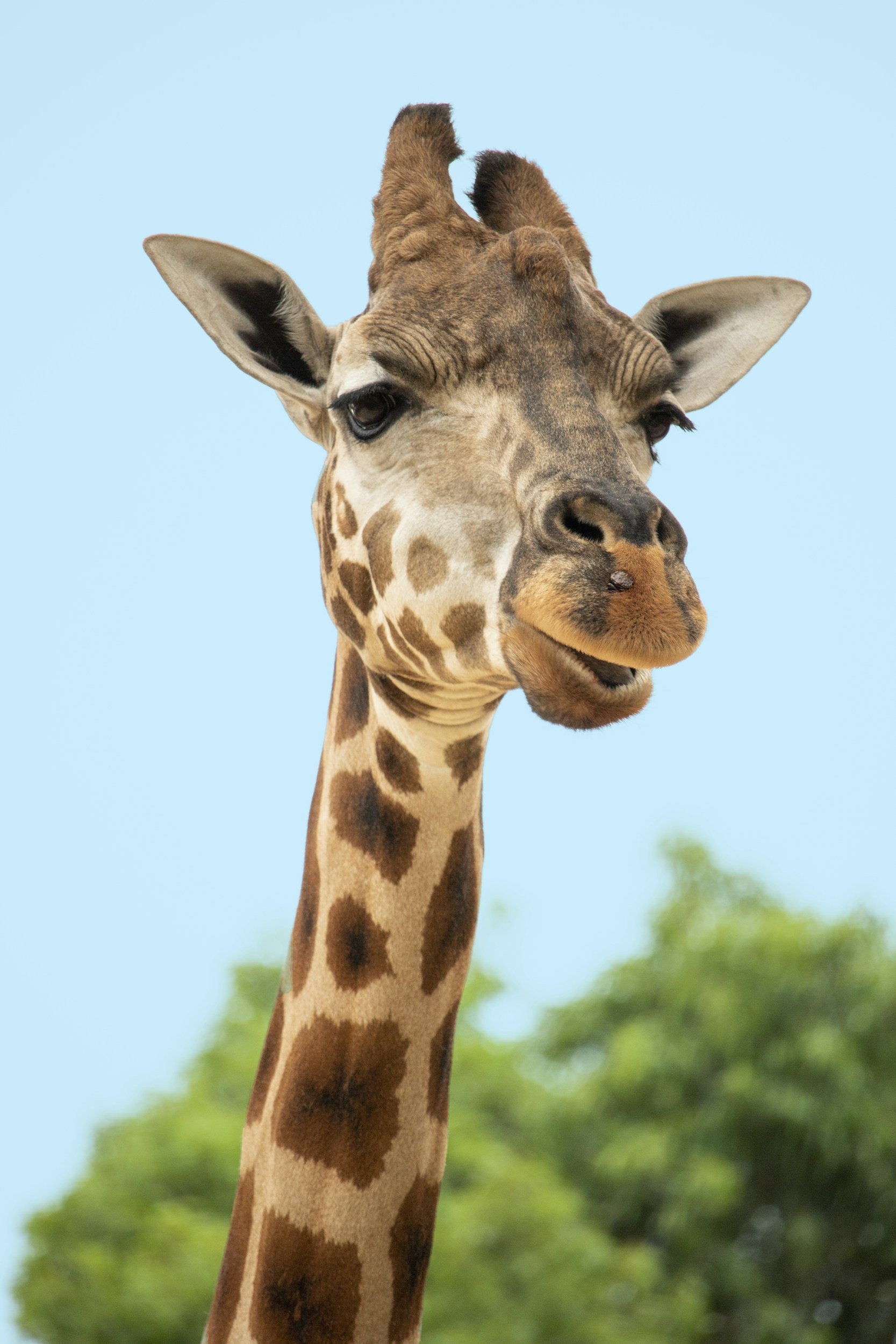
Unexpected discoveries in study of giraffe gut flora
The gut bacteria of giraffes are not primarily determined by what they eat, but by the species they belong to. This is shown in a new study from Uppsala University and Brown University in which researchers have analysed the link between diet and gut flora in three giraffe species in Kenya. The study also provides new knowledge that can help secure the food supply of endangered giraffe species.

New USF study identifies urgent need to protect coastal marine ecosystems
A new study led by the University of South Florida highlights the urgent need to protect marine ecosystems in shallow water near the shore – an area that many beachgoers don’t realize is highly important to fish populations. Known as tidal flats, these coastal waters are critical to global seafood supplies, local economies and overall marine health.
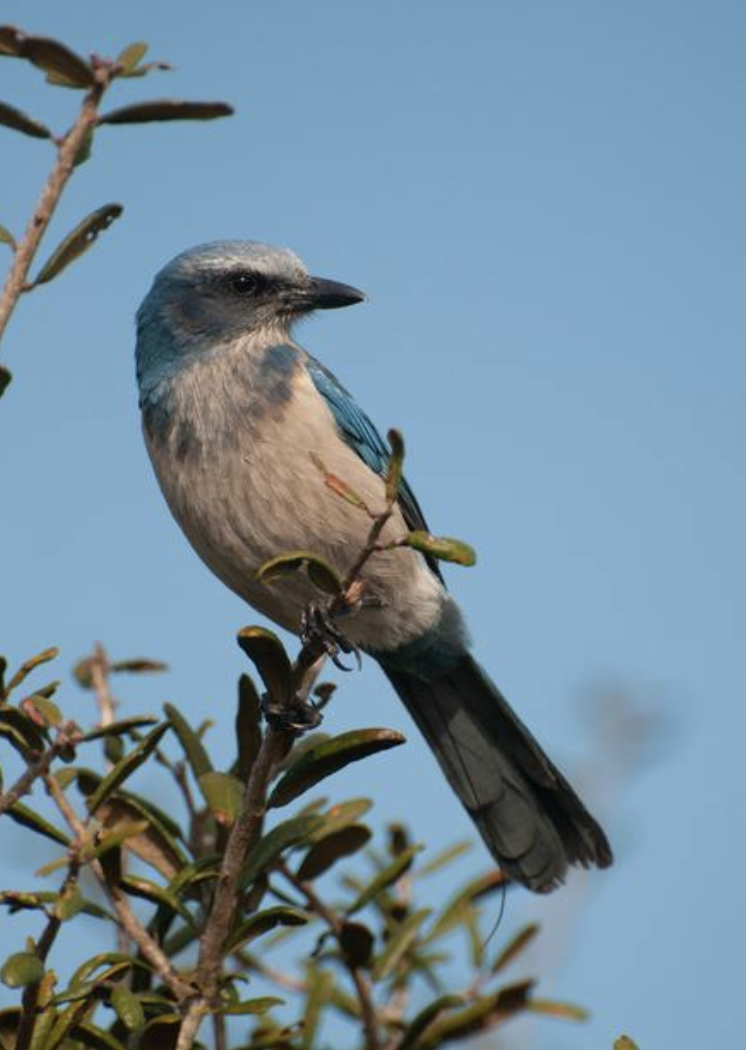
Conservation focusing on birds of a feather may have mixed results, MSU-led study shows
Conservation strategies are turning back the doomsday clock in threatened Florida-Scrub Jays – but not without caveats, a new study published in Current Biology shows.
In the early 2000s, conservationists proposed a plan to move isolated jays to a region comprising thousands of acres of restored habitat, home to a small community of 13 jays.