


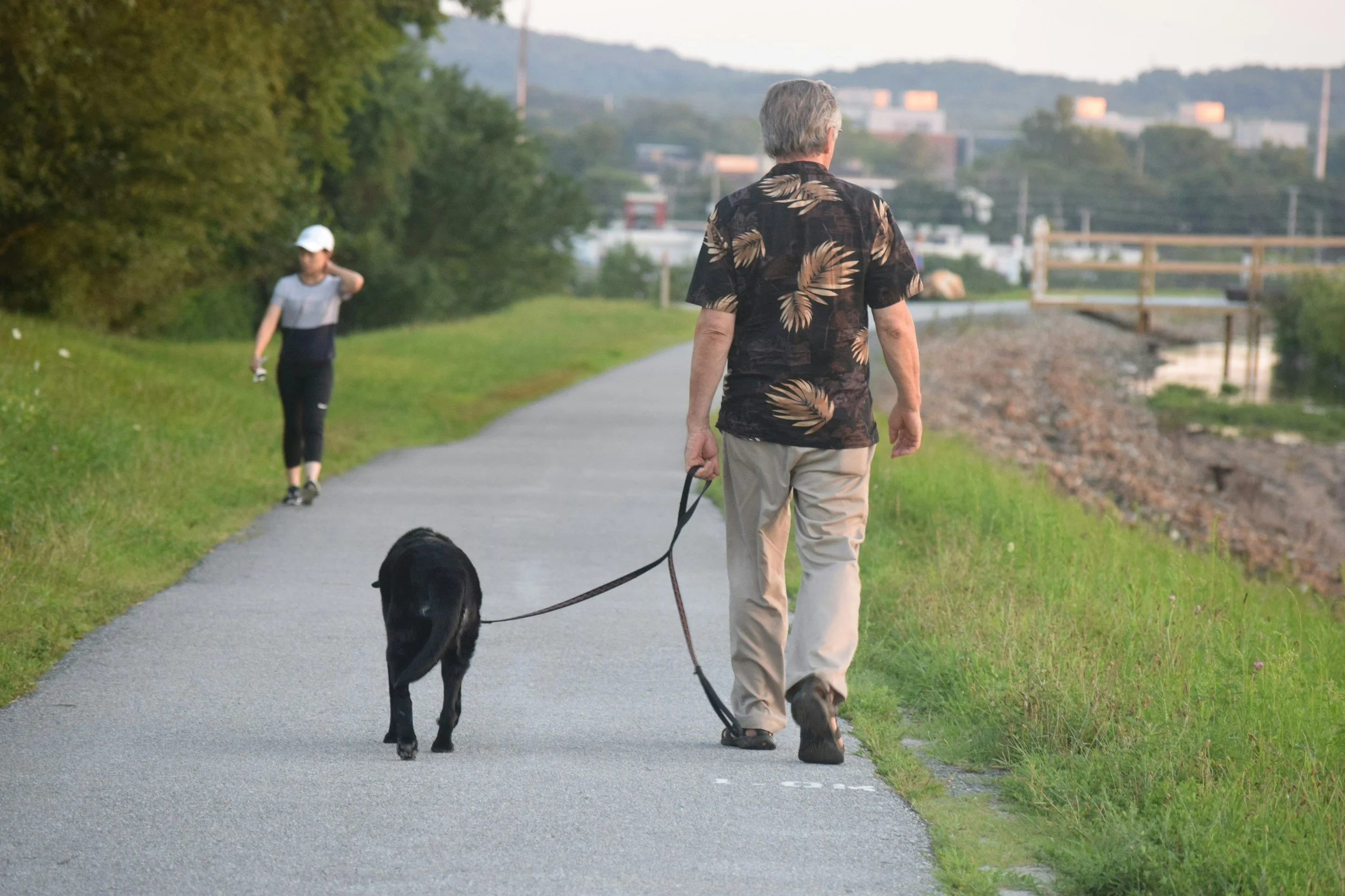
A Routine Limp or Something More? The Shocking Twist in This Dog’s Diagnosis That Every Vet Should Know!
When a dog presents with severe lameness, the case may seem straightforward at first glance. But as many veterinary surgeons know, appearances can be deceiving, and it’s often the unexpected challenges that define the outcome.
In a recent episode, Dr. Shannon Gregoire teams up with an expert veterinary surgeon to dissect one such case—a dog with a mysterious limp. What starts as a routine evaluation quickly evolves into a complex diagnostic journey. Here’s how the surgeon approached the case:

AI Breakthrough: How Machine Learning is Revolutionizing Heart Health in Dogs
A groundbreaking study has revealed that a machine-learning algorithm, originally trained to detect heart murmurs in humans, can be successfully adapted for dogs to diagnose heart murmurs and stage preclinical myxomatous mitral valve disease (MMVD). This could be a game-changer in veterinary medicine, offering a reliable, cost-effective tool for early detection of cardiac issues in dogs without requiring a cardiologist’s expertise.
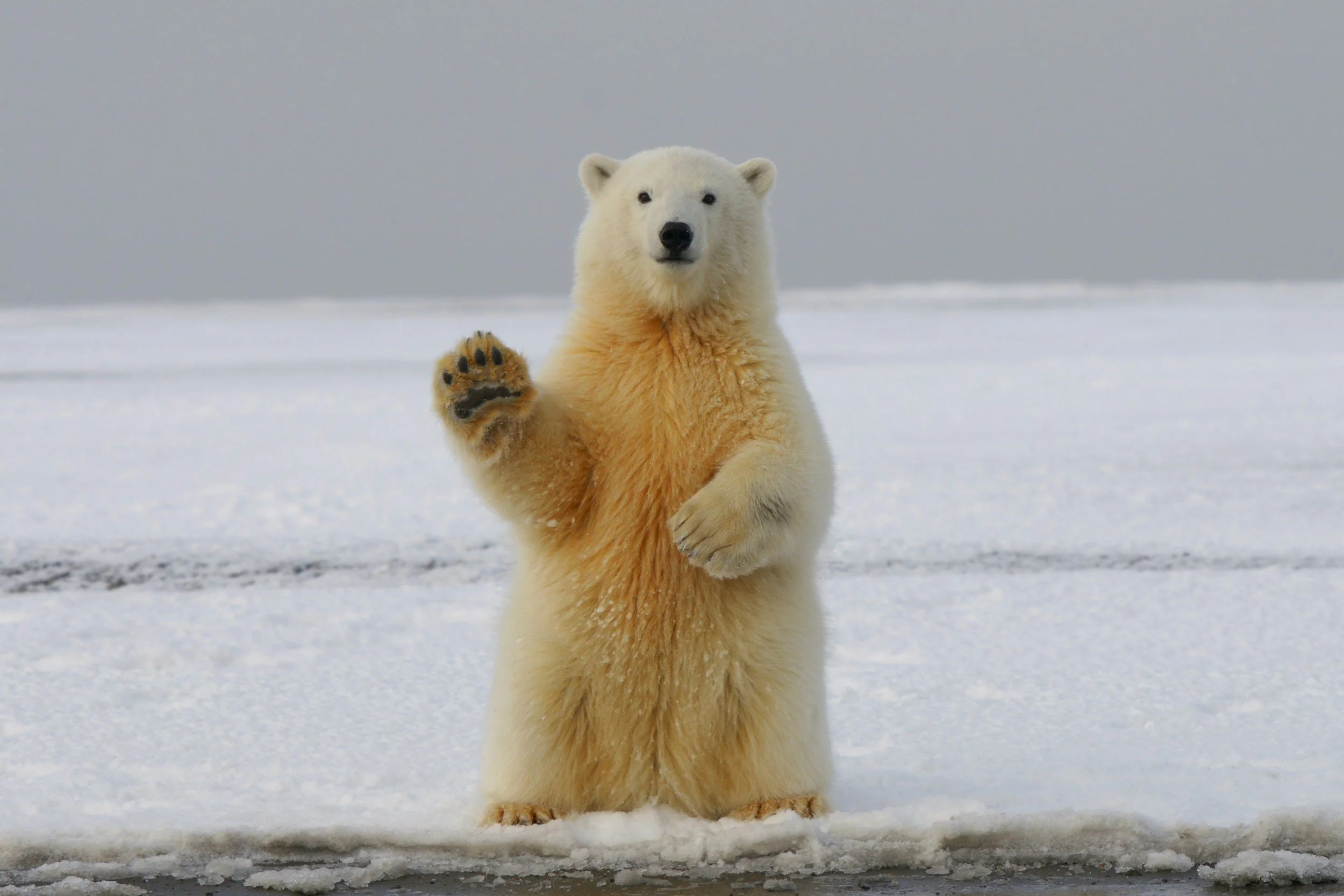
Paws of polar bears sustaining ice-related injuries in a warming Arctic
Polar bears in some parts of the high Arctic are developing ice buildup and related injuries to their feet, apparently due to changing sea ice conditions in a warming Arctic. While surveying the health of two polar bear populations, researchers found lacerations, hair loss, ice buildup and skin ulcerations primarily affecting the feet of adult bears as well as other parts of the body. Two bears had ice blocks up to 1 foot (30 centimeters) in diameter stuck to their foot pads, which caused deep, bleeding cuts and made it difficult for them to walk.
The study led by the University of Washington was published Oct. 22 in the journal Ecology. It’s the first time that such injuries have been documented in polar bears.
Researchers at Tel Aviv University engineered the 'cat parasite' Toxoplasma gondii to produce and release therapeutic proteins in the human brain
In a breakthrough study an international team of scientists led by researchers from Tel Aviv and Glasgow Universities, the 'cat parasite' Toxoplasma gondii was engineered to deliver drugs to the human brain.
The study was led by Prof. Oded Rechavi from the Department of Neurobiology and the Sagol School of Neuroscience at Tel Aviv University, together with his PhD student Dr. Shahar Bracha, and with Prof. Lilach Sheiner, an Israeli scientist and toxoplasma expert from the University of Glasgow in Scotland. The results were published in the leading scientific journal Nature Microbiology.
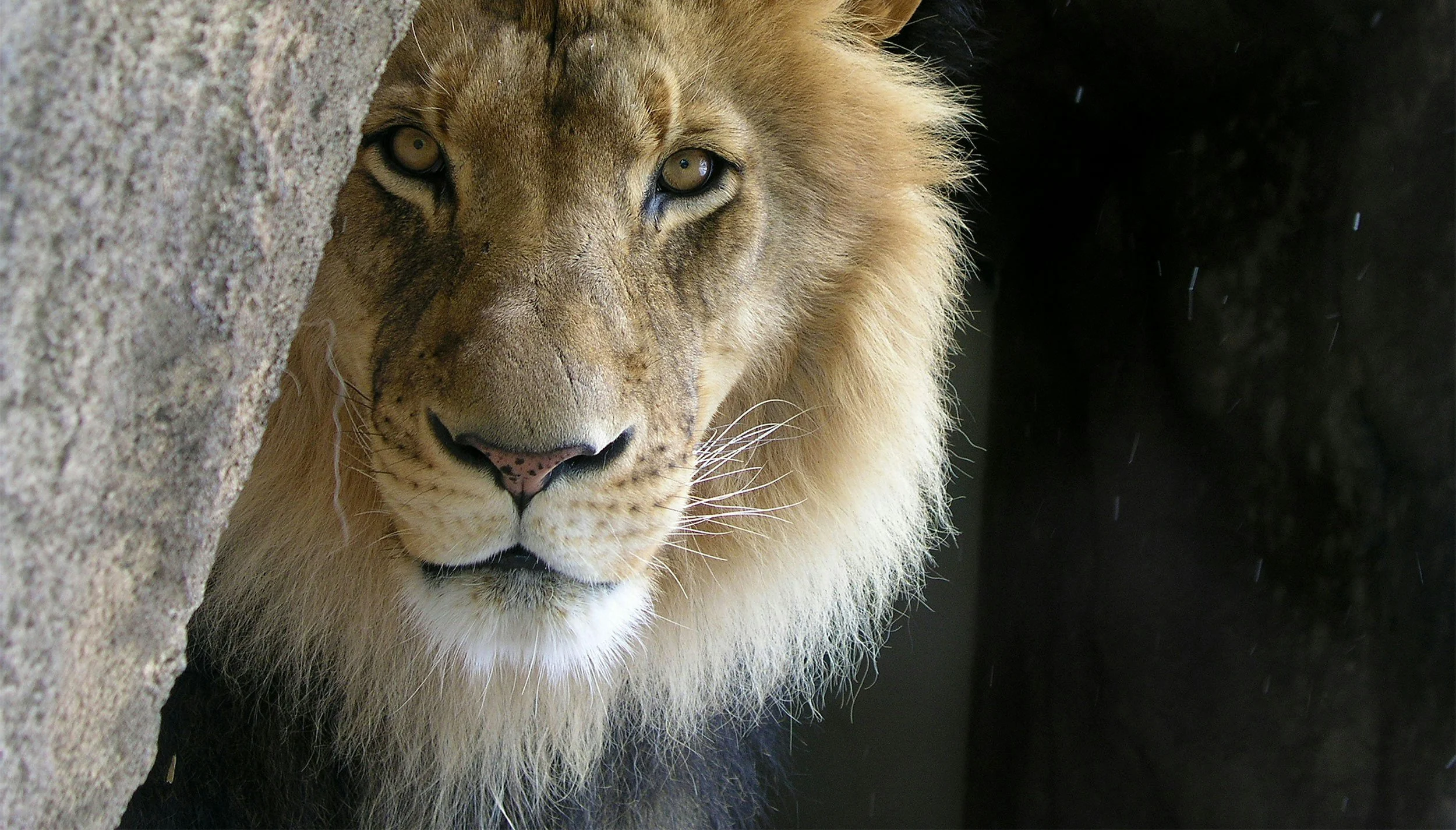
Unlocking the kaleidoscope of big cat eyes: The surprising evolution of felid eye color diversity
The piercing golden gaze of cheetahs, the striking blue stare of snow leopards, and the luminous green glare of leopards are traits that can all be traced to one ancestor; an ocelot-like feline progenitor that roamed the Earth over 30 million years ago.
In a new study published in iScience, Harvard researchers have discovered that this ancestral population likely had both brown and gray-eyed individuals, the latter being key to paving the way for the rapid and wide diversification of iris color seen in modern felids.

Geometric mechanics shape the dog's nose
The noses of many mammals, such as dogs, ferrets and cows, feature grooves forming a multitude of polygons. A team from the University of Geneva (UNIGE) has analyzed in detail how these patterns form in the embryo using 3D imaging techniques and computer simulations. The researchers discovered that differential growth of the skin tissue layers leads to the formation of domes, which are mechanically supported by the underlying blood vessels. This work describes for the first time this morphogenetic process, which could help explain the formation of other biological structures associated with blood vessels. These findings are published in the journal Current Biology.