



Histomonosis, a deadly turkey disease, researched with new $3.2M FDA grant
As scientists learn more about a deadly parasite’s ability to move from host to host in turkey flocks, a long-standing theory is in question and opens the door to new preventative measures.
Histomonas meleagridis, the parasite behind histomonosis — also known as blackhead disease — can decimate flocks of turkeys. There are currently no U.S. Food and Drug Administration-approved vaccines or therapeutics to treat the birds.

Shocking New Findings Reveal How Geography and Income Impact Epilepsy Care for Dogs
Canine epilepsy is a common yet poorly understood condition due to gaps in research and diagnostic inconsistencies. This review emphasizes the need for more studies in primary care settings and the importance of standardized diagnostic practices. Geographic, cultural, and socioeconomic factors play a significant role in how epilepsy is diagnosed and managed, and efforts to address these disparities will be key in improving the quality of life for dogs with epilepsy.
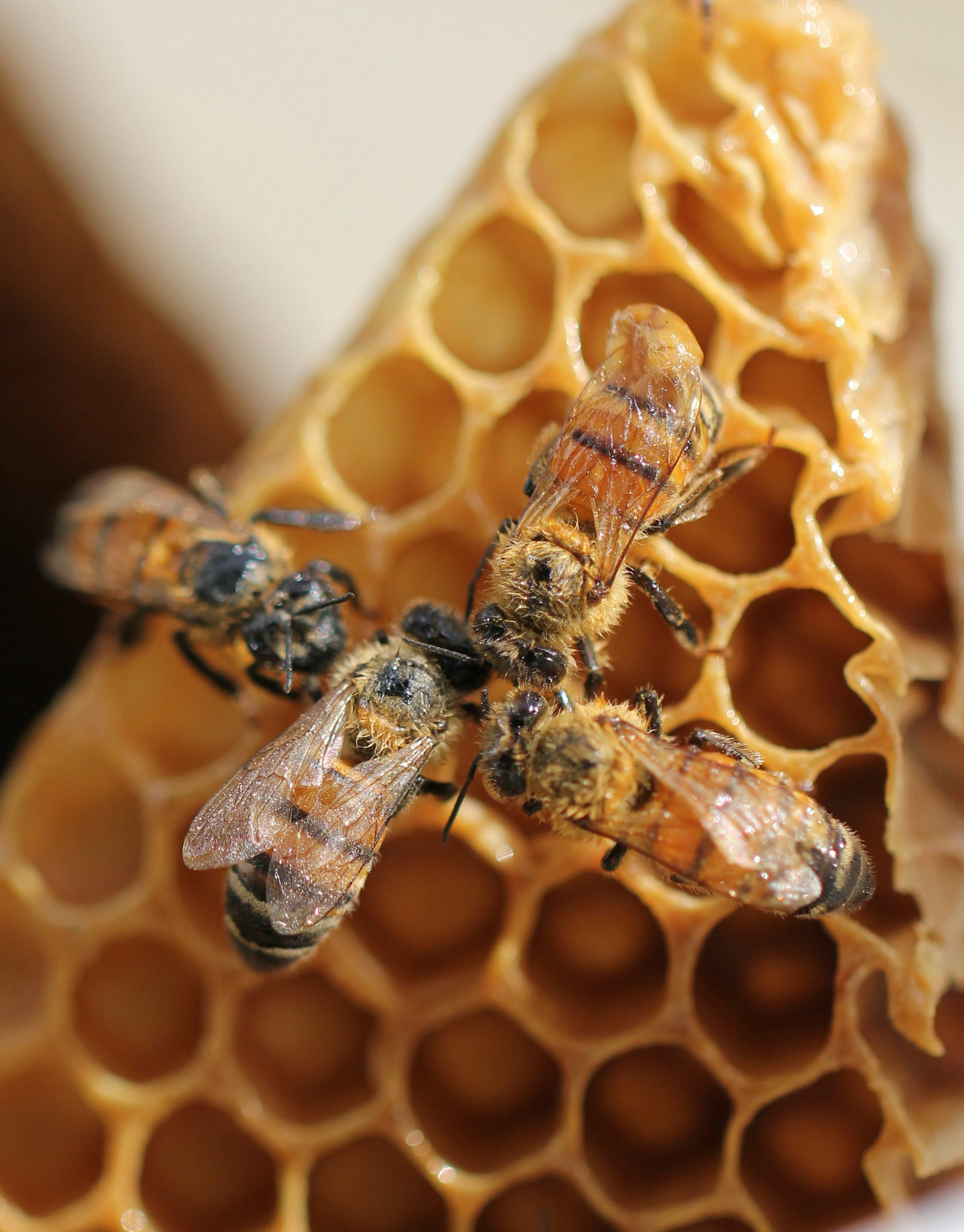
Revolutionary Study Reveals Medical-Grade Honey's Unmatched Power in Healing Pet Wounds
Discover why medical-grade honey is revolutionizing wound care for pets! This new study reveals its unmatched antibacterial properties against common bacterial infections in dogs and cats. Learn why medical-grade honey could be your pet’s best defense against stubborn wounds.

Join the Adventure! Sail, Heal, and Help Animals with Dr. Sheddy’s Wellness Retreats on the High Seas!
Dr. Sheridan Lathe, also known as "Dr. Sheddy," is a veterinarian turned sailing adventurer who travels the world on her boat Chuffed, offering free veterinary care to remote communities. Through her non-profit Vet Tails, she combines her love of animals, sailing, and well-being, inspiring others with her unique mission to improve both animal welfare and mental health in the veterinary profession.

Response to Tigilanol Tiglate in Dogs with Mast Cell Tumors
Tigilanol tiglate is gaining recognition as an effective local treatment for mast cell tumors (MCTs) in dogs. Despite its growing use, data on its response rate and long-term effectiveness have been limited. A recent multicenter, retrospective study aimed to address this gap by examining the treatment outcomes in 149 dogs with 151 MCTs.

New study sheds light on lily toxicity in cats; outpatient treatment may be viable option
A study published recently in the Journal of the American Veterinary Medical Association (JAVMA) has revealed new insights into the treatment of cats exposed to toxic lilies, offering hope for pet owners facing this common household hazard.
The study (“Prevalence of acute kidney injury and outcome in cats treated as inpatients versus outpatients following lily exposure”), conducted at the University of Pennsylvania School of Veterinary Medicine, investigated the outcomes of 112 cats treated for lily exposure, comparing cats treated as inpatients with intravenous fluids to those managed as outpatients with subcutaneous fluids.