


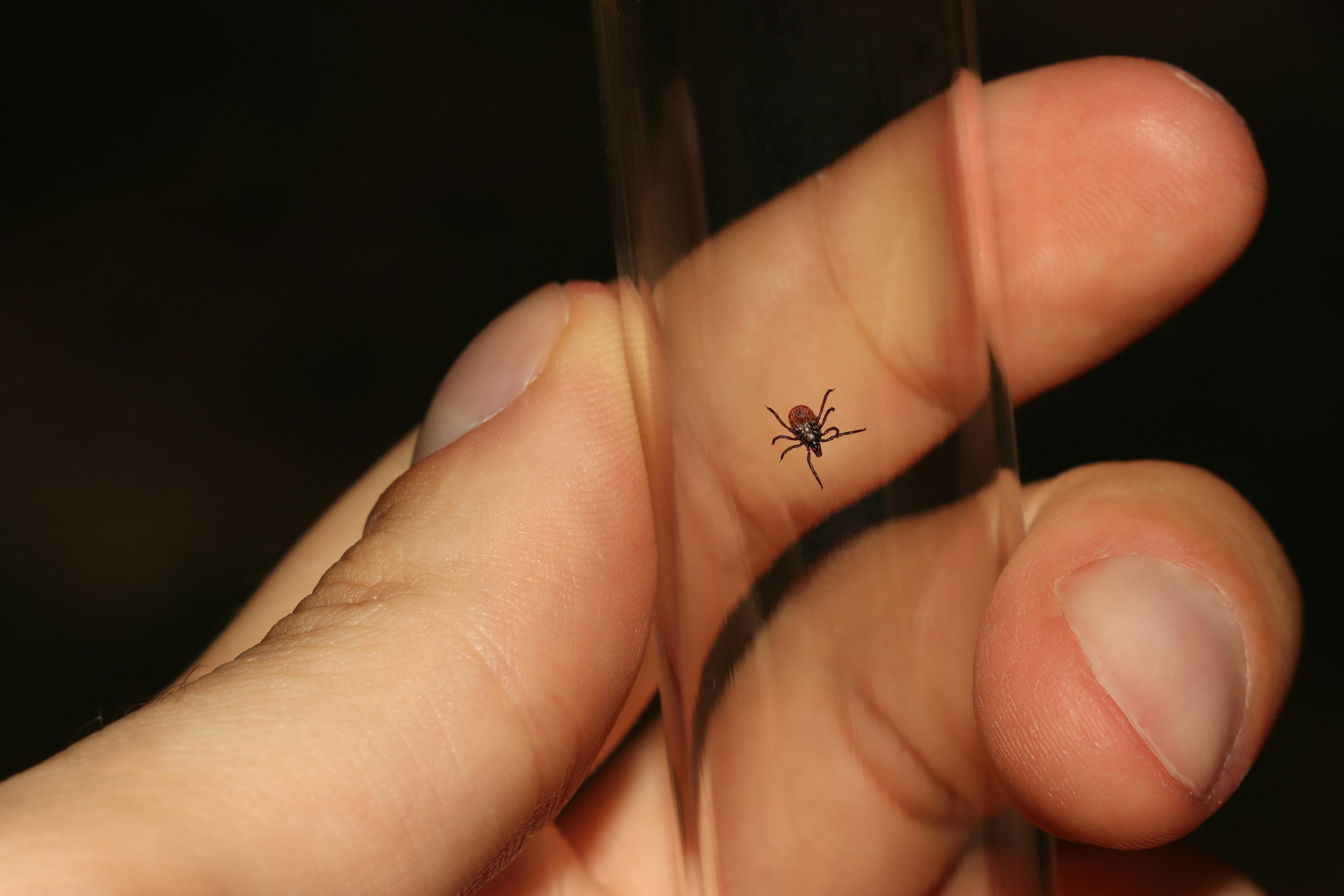
New experiential learning program to alleviate critical need for veterinary entomologists
Veterinary entomology is a small but critical discipline that supports the livestock industry, and the University of Tennessee Institute of Agriculture is working to increase training and visibility to fill the huge need.
Becky Trout Fryxell, professor in the Department of Entomology and Plant Pathology and among the approximately 25 veterinary entomologists in the United States and Canada, secured a $600,000 grant that is part of the USDA National Institute of Food and Agriculture’s investment of $11.6 million in Research and Extension Experiences for Undergraduates program.
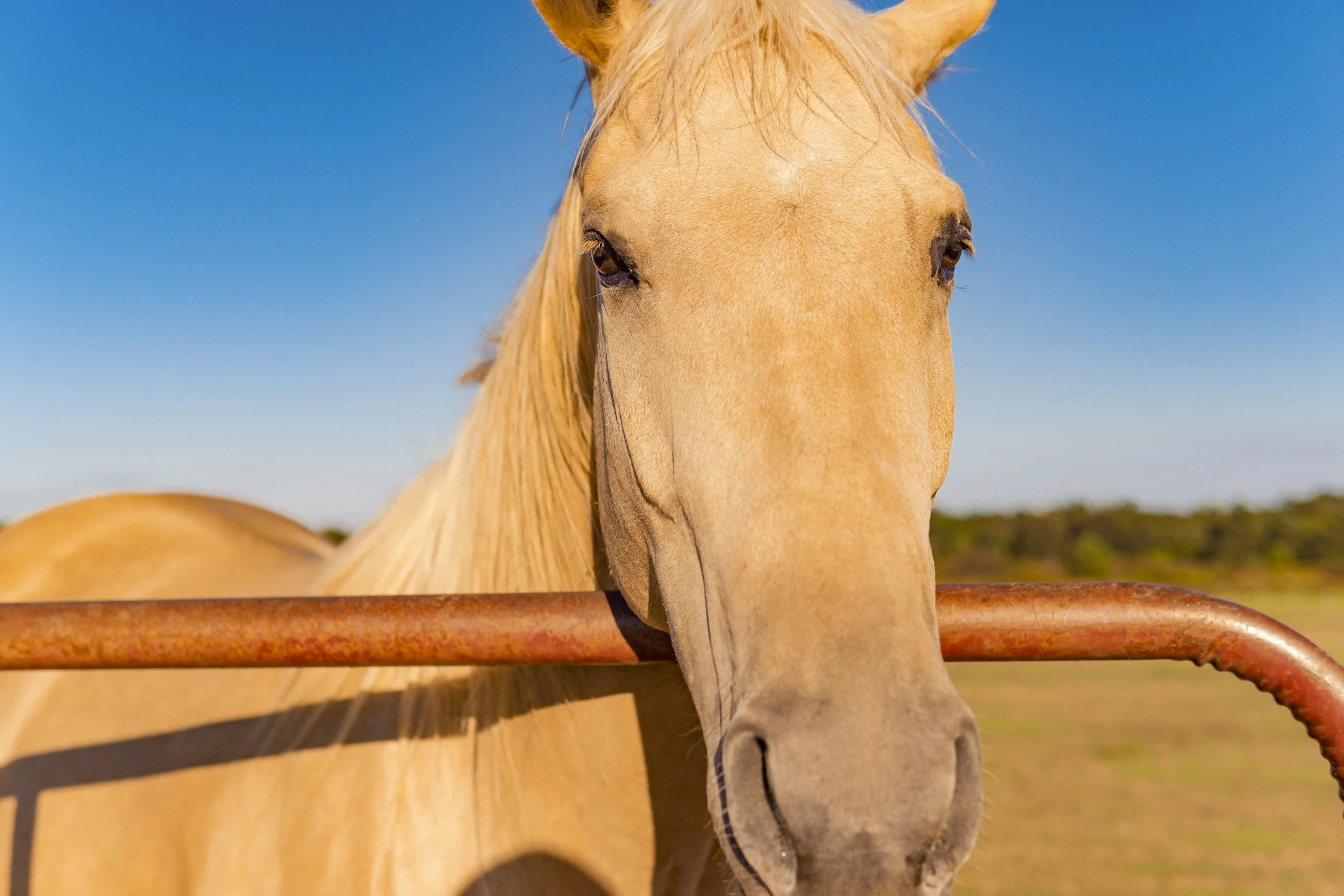
Promoting horse welfare with an intestinal disease screening method
Researchers at the University of Jyväskylä, Finland, are developing a promising method to support the diagnosis of inflammatory bowel diseases (IBD) in horses. Awareness of the prevalence of IBD in both humans and animals has increased in recent decades, and the need for effective and affordable diagnostic methods has become increasingly urgent. This study is the first to show an association between the gut microbiota composition and chronic types of IBD in horses.
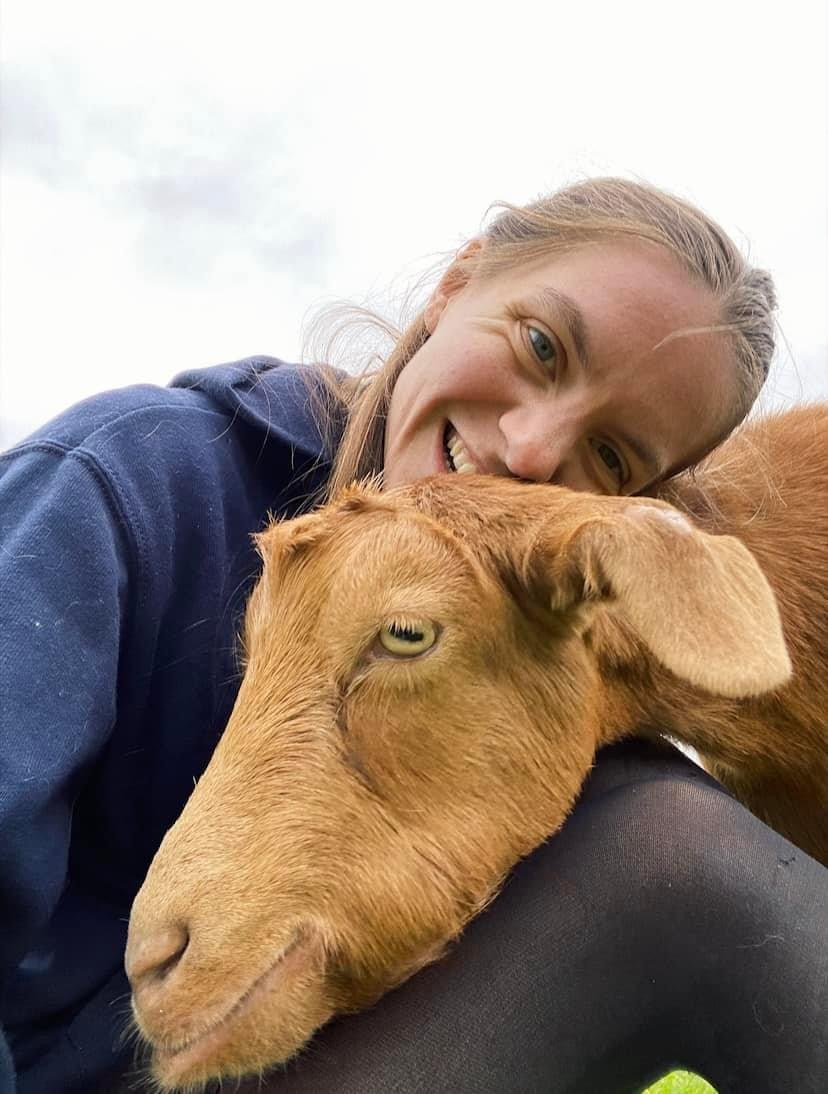
From Zookeeper Dreams to Vet School Reality: How This Autistic UK Student is Changing the Veterinary World
Meet Laura Charleston, a first-year veterinary student at UCLan School of Veterinary Medicine in the UK, who’s on a mission to make waves in both animal welfare and autistic advocacy. Proudly autistic, Laura is raising awareness for neurodivergent individuals in the veterinary field while pursuing her passion for animal care. Discover how her hard work, dedication, and love for animals, including goats, giraffes, and cats, is shaping her journey from aspiring zookeeper to future veterinarian. Learn more about Laura's inspiring path and her commitment to inclusivity in veterinary medicine.

What’s Wrong with This Pomeranian?! Help Dr. Shannon Gregoire Solve the Mystery!
Dr. Shannon Gregoire is back with a jaw-dropping case that will keep you on the edge of your seat! In this episode, Dr. Shannon teams up with a veterinary dermatologist to crack one of the most baffling skin mysteries they’ve encountered—a poor Pomeranian suffering from severe skin issues that just won’t go away. What starts off as a straightforward case of allergies quickly turns into something much more serious, leaving everyone stumped. Could it be an infection? A hidden systemic disease? Or is there an unexpected twist lurking beneath the surface? Get ready to dive into this veterinary whodunit!

Dogs contaminate London ponds with parasite medications
A study on Hampstead Heath shows that ponds where dogs are allowed to swim contain levels of two pesticides harmful to invertebrate life.
These pesticides, imidacloprid and fipronil, are used as parasite treatments for flea and tick infestations in cats and dogs, using ‘spot-on’ formulas and flea collars. This is despite these chemicals being banned for agricultural use in 2018 due to their toxicity to bees and other important insects.

‘Who’s a good boy?’ Humans use dog-specific voices for better canine comprehension
The voice people use to address their dogs isn’t just because of their big puppy eyes. Humans slow their own speech when talking to their dogs, and this slower tempo matches their pets’ receptive abilities, allowing the dogs to better understand their commands, according to a study published October 1st in the open-access journal PLOS Biology by Eloïse Déaux of the University of Geneva in Switzerland and colleagues.