



New tool can assess elderly dogs’ frailty
Researchers from North Carolina State University have developed a tool that can aid owners and veterinarians in assessing an elderly dog’s frailty. The tool – when coupled with simple assessments of body and muscle condition by the veterinarian – can predict likelihood of short-term (within six months) mortality and provide important data to owners faced with treatment and quality-of-life decisions for their aging dogs.

Cellular Agriculture: The Future of Food, Right in Your Bioreactor
Imagine biting into a real beef juicy burger, but instead of coming from a cow on a farm, it was cultivated in a bioreactor using cutting-edge technology. Sounds futuristic, right? Well, it’s here—or almost here! Cellular agriculture is poised to revolutionize food production, and it’s not as wild as you might think! In fact, if you’ve ever given a diabetic patient recombinant insulin, you’re already using this technology.

Big Changes at Knollwood Hospital for Pets: Meet the New Hometown Veterinary Partners Schaumburg
For over 40 years, Knollwood Hospital for Pets has been a cornerstone of veterinary care in Schaumburg, offering both traditional and integrative therapies under the leadership of Dr. Deborah Mitchell. Now, this beloved practice is beginning a new chapter as it rebrands to Hometown Veterinary Partners Schaumburg, bringing fresh energy while maintaining the continuity of care the community has relied on for decades.
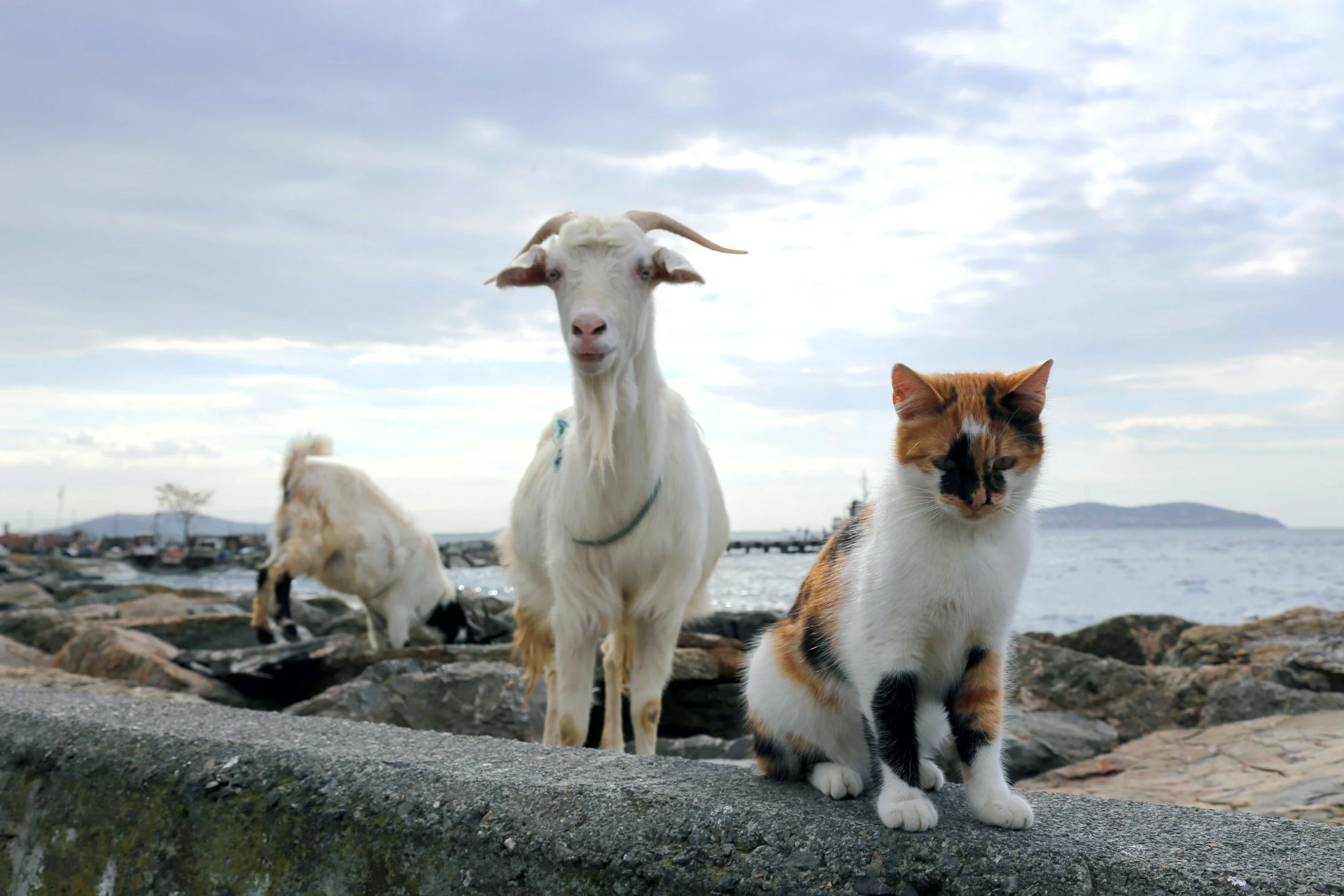
Are cows pickier than goats?
To answer this question, Linnaeus collected 643 different plant species that were then fed to horses, cows, pigs, sheep and goats. The results were carefully compiled but not analysed until now, 275 years later, when they are also published by the Linnean Society in London.
“It may have been the first experiment in what would only later become the subject of ecology in the late 19th century. By today’s standards, it was a huge experiment involving an impressive number of plants,” notes Håkan Rydin, Professor of Plant Ecology at Uppsala University and one of the researchers who carried out the analysis.
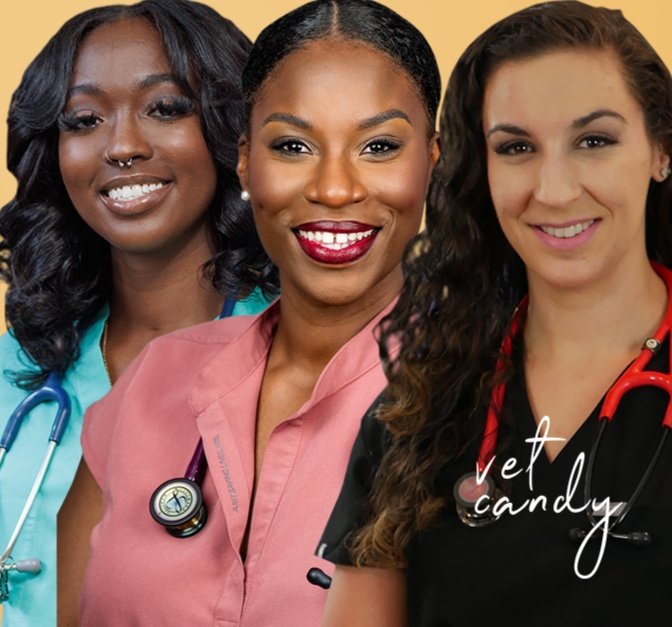
5 Mistakes Every New Vet Makes – And How to Avoid Them Like a Pro!
In the latest episode of Vet Candy IRL, host Dr. Shannon Gregoire tackles a topic that every new veterinarian can relate to: the 5 biggest mistakes veterinarians make in their first year—and how to sidestep them! This week, Dr. Shannon is joined by two incredible guests from Hometown Veterinary Partners: Dr. Dazjah Samuels, a 2024 Ross University grad, and Dr. Abi Maynard, a 2017 graduate from St. George’s University. Together, they dive into common pitfalls new vets face and share tips for navigating those early career challenges with confidence.
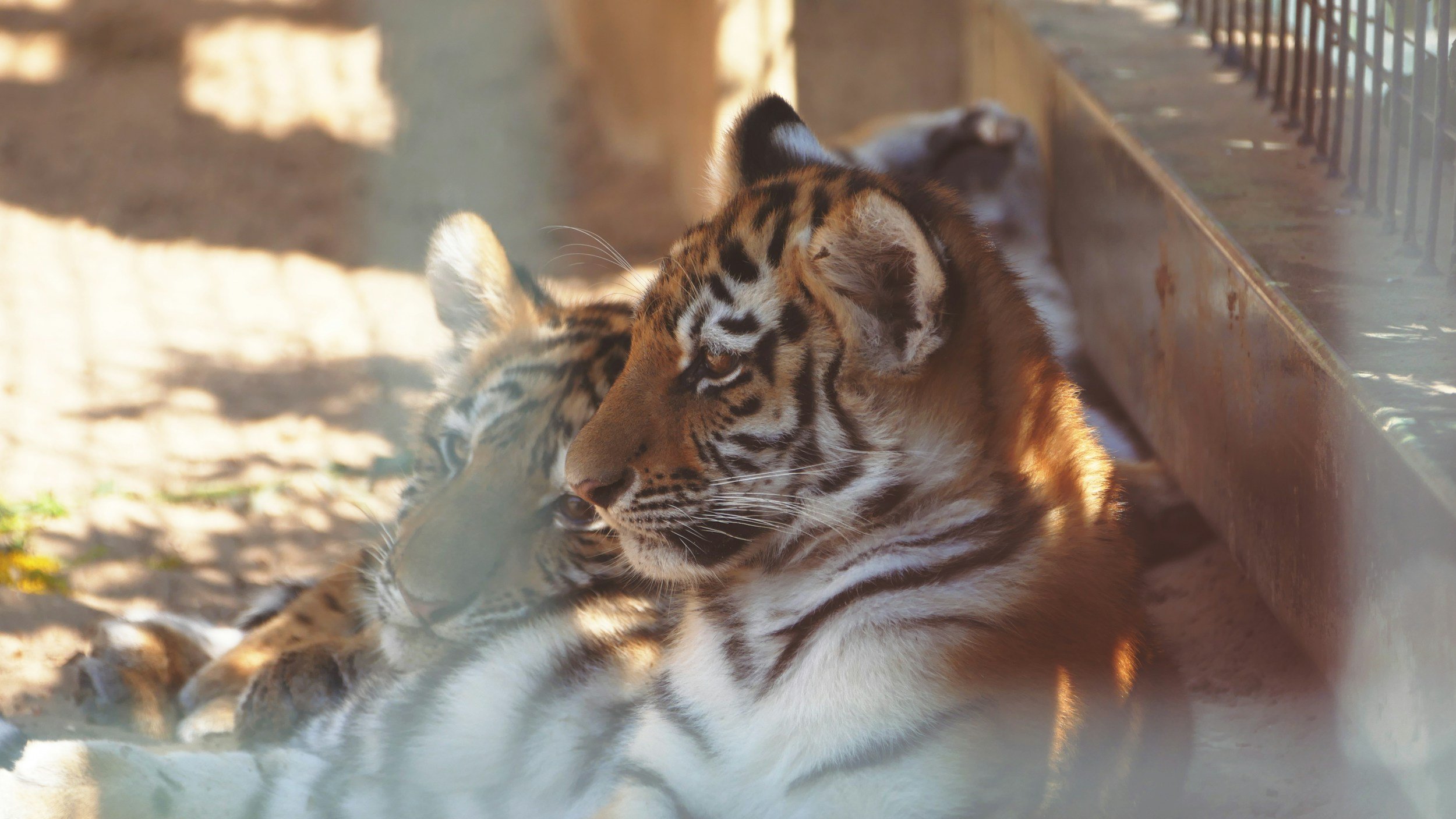
Can captive tigers be part of the effort to save wild populations?
Captive tigers in the United States outnumber those living in the wild. The World Wildlife Federation estimates around 5,000 of the big cats reside in the U.S., mostly owned by private citizens.
The health of this population is a genetic mystery for conservation groups and researchers interested in how the captive tigers could help stabilize or restore wild tiger populations. Are the privately owned animals just like tigers in the wild, or do they reflect characteristics popular in the illegal trade? Are they a hodgepodge of wild tiger ancestry, or are they detrimentally inbred?