


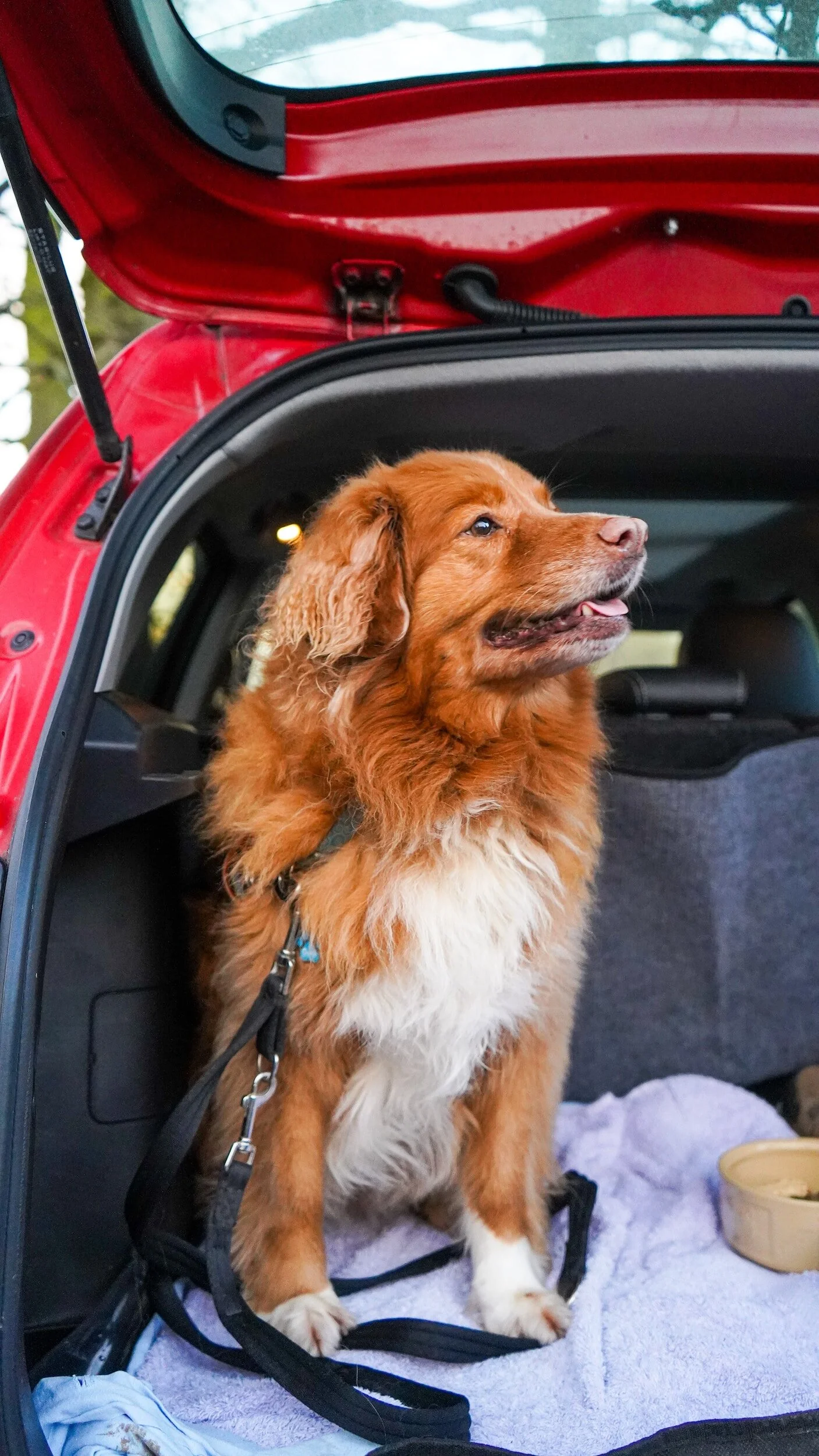
Unleashing canine travel: Hospitality and tourism sector urged to adapt to dog-friendly travel demands
Estimated to be worth USD 50.1 billion by 2030, a Surrey team of researchers has uncovered the potential of the growing dog-friendly travel market. The Covid-19 pandemic drove an increase in UK household dog ownership, creating a need for tourism providers to adapt to accommodate these four-legged family members.

Natasha Speigh’s innovative research sheds new light on koala care post-Australian bushfires
In a groundbreaking study published in Veterinary Sciences, Natasha Speight, a dynamic researcher and Senior Lecturer at the University of Adelaide's School of Animal and Veterinary Sciences, has made a significant breakthrough in wildlife rescue and rehabilitation following the devastating Australian bushfires. Her work, fueled by passion and scientific rigor, offers crucial insights for enhancing koala care in the wake of these natural disasters. The research was funded by The Morris Animal Foundation.

Understanding the Complexities of Canine Epilepsy and Its Behavioral Impact: A Review of Research Tools
Idiopathic epilepsy stands as the most prevalent neurological disorder in dogs, mirroring certain aspects found in human epilepsy. One of the significant parallels is the presence of behavioral comorbidities in affected dogs, including heightened levels of fear, anxiety, and aggression. These behavioral changes, often noted by caregivers, add a layer of complexity to the disease and profoundly affect both the dog's and the caregiver's quality of life.
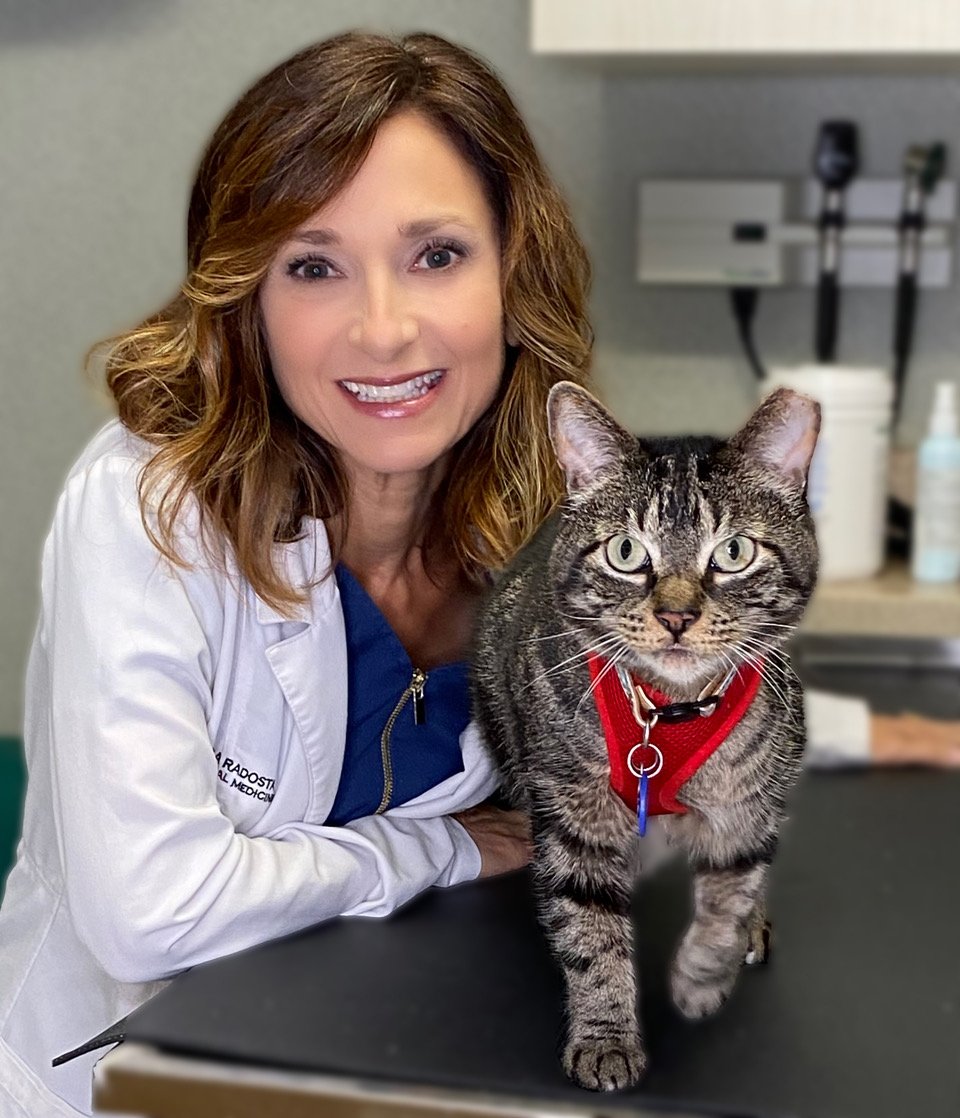
Changing the Pet World: How Dr. Lisa Radosta is Rewriting the Rules of Animal Behavior!
In the sun-drenched landscape of Florida, there's a name in the field of veterinary medicine that resonates with distinction and trailblazing innovation - Dr. Lisa Radosta. Her journey from the halls of the University of Florida College of Veterinary Medicine to the challenging residency in behavioral medicine at the University of Pennsylvania is a tale of relentless pursuit, academic rigor, and heartfelt passion for animal welfare. Since 2007, Dr. Radosta has been the guiding force behind the Florida Veterinary Behavior Service, carving out a niche that has profoundly impacted pets and their human companions.
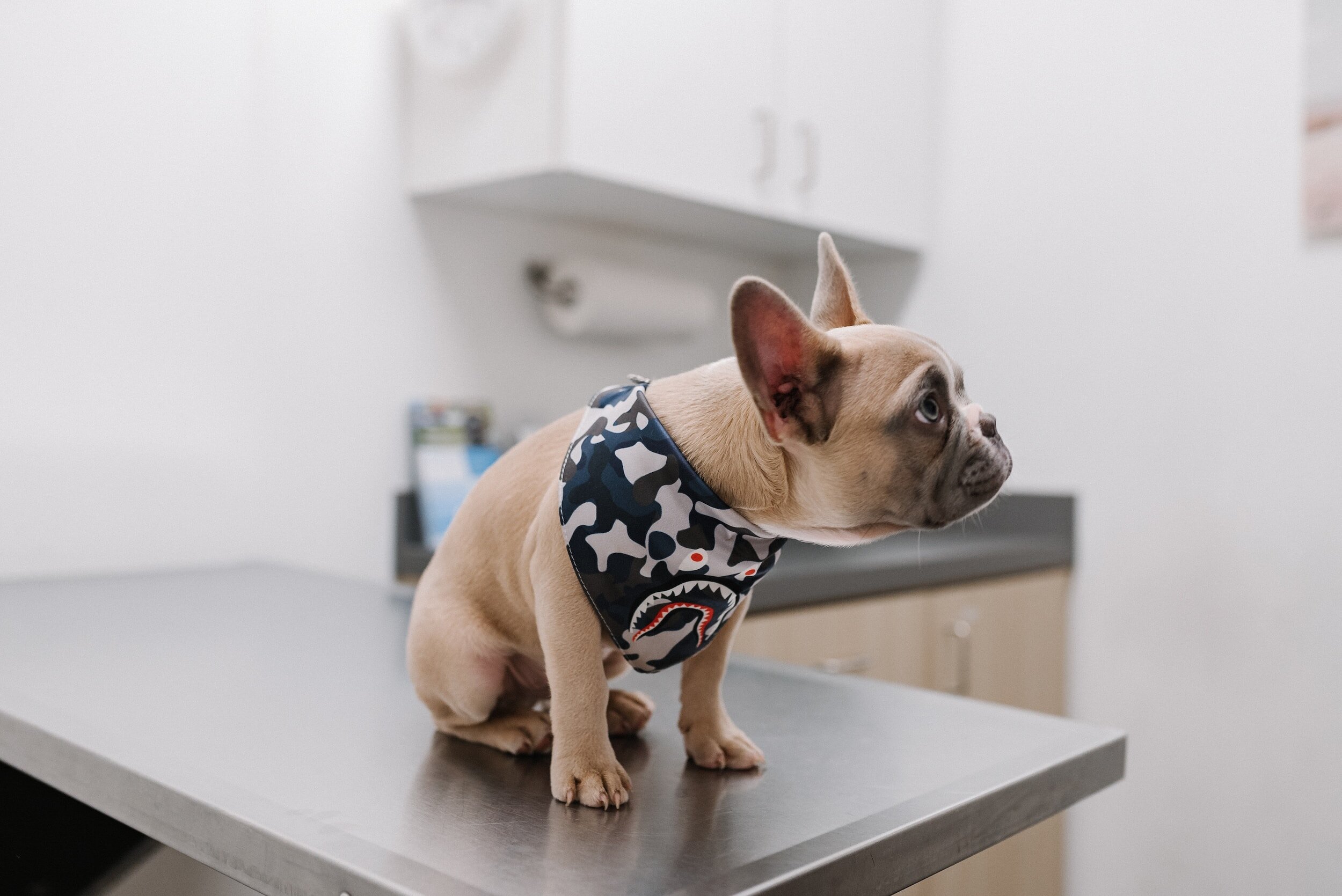
Unlocking the Mystery: How Head Turn Reveals Hidden Neurological Secrets!
In the intricate world of veterinary neurology, the simple act of a dog turning its head might reveal much more than meets the eye. Traditionally, a head turn in dogs has been considered a sign of ipsilateral forebrain dysfunction. However, a recent multi-center observational study challenges this notion, proposing that a head turn can be a symptom of various abnormalities within the central nervous system (CNS).
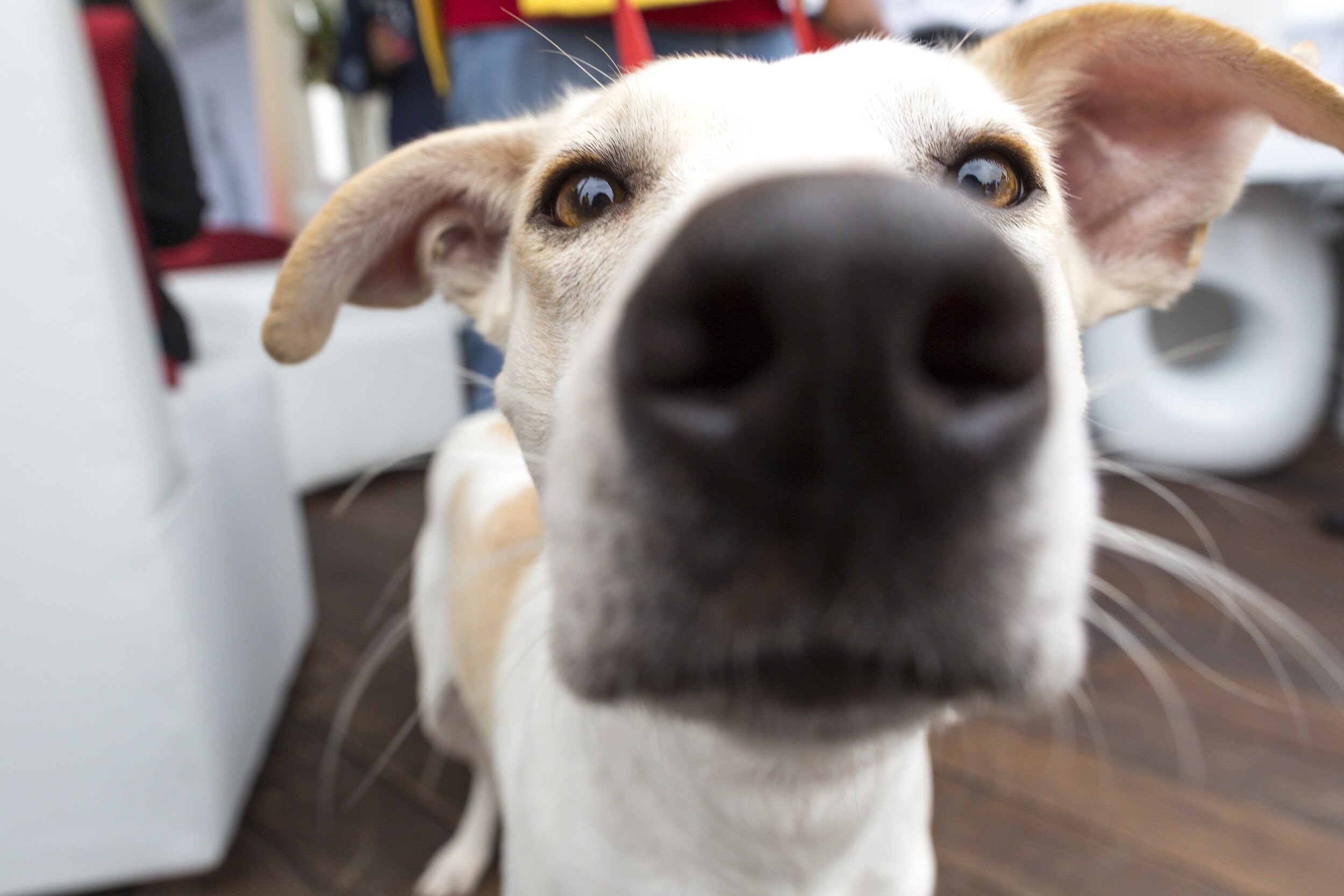
Understanding the Canine Nose: How Dogs' Sense of Smell Influences Their Thoughts and Emotions
In the world of domestic dogs (Canis familiaris), their sense of smell is not just remarkable but also extensively beneficial to human society. Dogs have been known for their roles in customs, police work, the military, and even aiding individuals with disabilities. Their innate talent for sniffing out odors is crucial for various tasks, including guarding, hunting, detecting mold, searching for missing people or animals, and assisting the disabled. Sniffing and searching for scents are not just activities for dogs; they are essential behaviors that contribute significantly to their well-being.