


Revolutionary Bills Could Transform Vet Visits: Discover How Telehealth is Changing in Florida
Revolutionary Bills Could Transform Your Pet's Next Vet Visit: Discover How Telehealth is Changing Animal Care!

Why you are so tired
Veterinary professionals are frequently confronted with the challenge of fatigue, a condition exacerbated by the unique demands of their profession. Long working hours are a primary contributor to this state of weariness. Veterinarians and their staff often endure extended periods of work, including irregular shifts, which disrupt normal sleep patterns and lead to a cumulative sleep deficit. To mitigate this, it is crucial to prioritize sleep by aiming for 7-9 hours per night and maintaining a consistent sleep schedule, even on days off. Additionally, power naps during breaks can provide a much-needed energy boost.
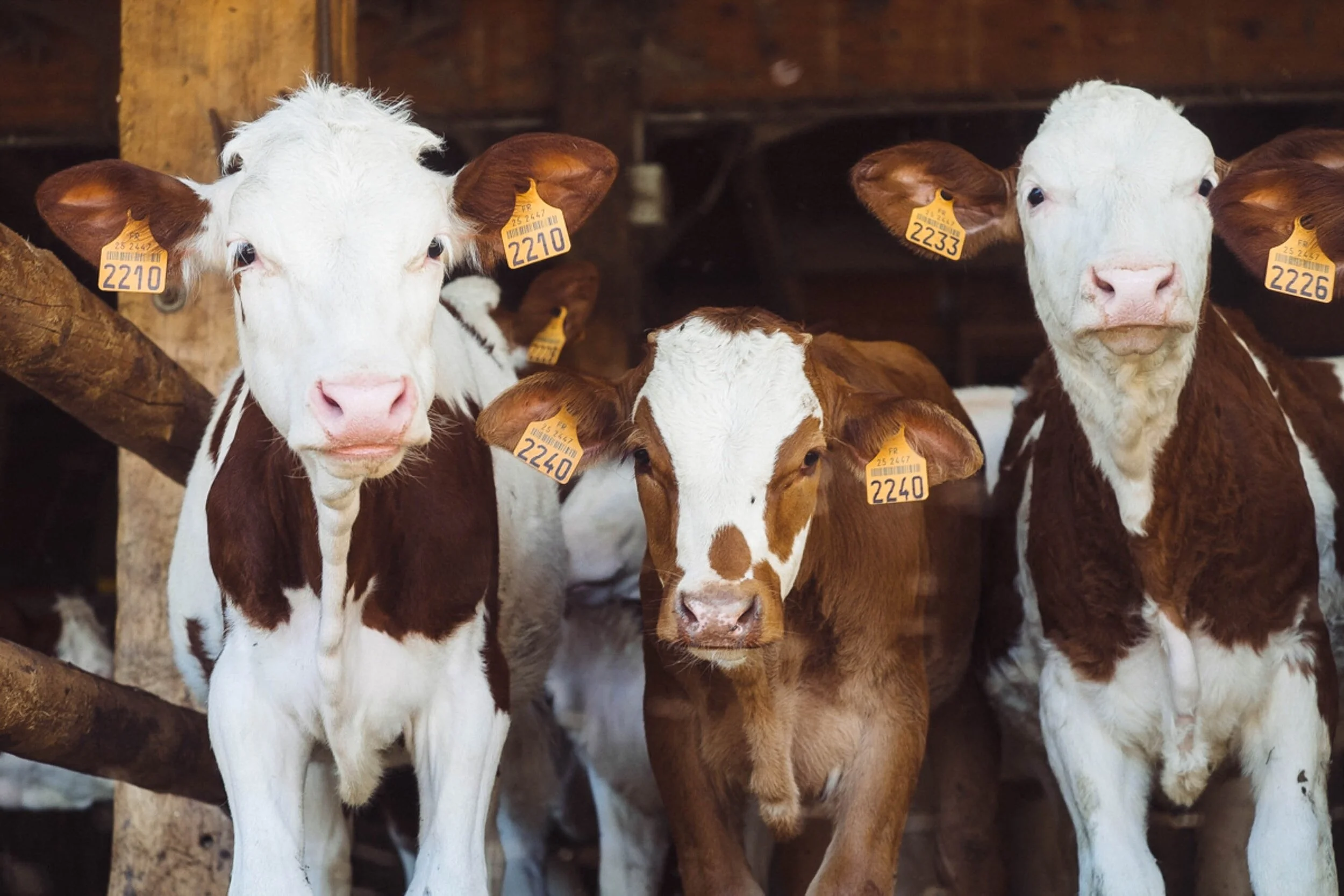
Socialization for success: Two recent studies expand our understanding of how early social housing helps dairy calves thrive
Dairy industry professionals continuously work to ensure the highest possible welfare for dairy calves, including fine-tuning their housing to improve overall health, well-being, and performance. Two new studies in JDS Communications are illuminating our understanding of paired housing in the critical newborn and pre-weaned stages of dairy lives by showing that housing designed to facilitate early socialization can build behavior skills, shape calf personalities, and ultimately, set up animals for success in the herd.

Navigating Your Veterinary Career Path: A Five-Step Process for Planning a Career Move in the New Year
As the new year approaches, many veterinary professionals may find themselves contemplating a career move. Whether it's advancing within your current field, transitioning to a new specialty, or exploring different aspects of veterinary medicine, planning is essential. Here's a five-step process to help guide your career transition in the new year.

Join Digitail in Shaping the Future: Veterinary Community Invited to Participate in AI in Vet Med Survey
Digitail, an all-in-one practice management system for veterinary hospitals, launched an extensive industry-wide survey on artificial intelligence (AI) in veterinary medicine. This groundbreaking initiative, conducted in collaboration with the American Animal Hospital Association (AAHA), is designed to capture the diverse perspectives of veterinary professionals, assessing their current perceptions, concerns, and applications of AI in the field.
As AI continues to revolutionize industries, veterinary medicine stands on the brink of transformative change. This study provides an opportunity for veterinary professionals to influence the future development of AI tools, ensuring they benefit both practitioners and patients.
“Just like at the dawn of the internet in the 90s, we are now witnessing the next paradigm shift. The impact of AI on our daily lives and work will be profound. As AI is beginning to make its strides in animal healthcare, it is essential to collect feedback from veterinary professionals at this early stage,” said Sebastian Gabor, CEO at Digitail. “The actionable takeaways from this study will help steer the innovation in the direction that aligns with the needs and expectations of the industry. Together, we can pave the way for a future where AI complements and enhances the practice of veterinary medicine.”
The survey takes approximately five minutes to complete. As a token of appreciation, participants will be entered into a raffle for a chance to win an Amazon gift card.
Take the survey: https://join.digitail.io/ai-in-veterinary-medicine-survey.
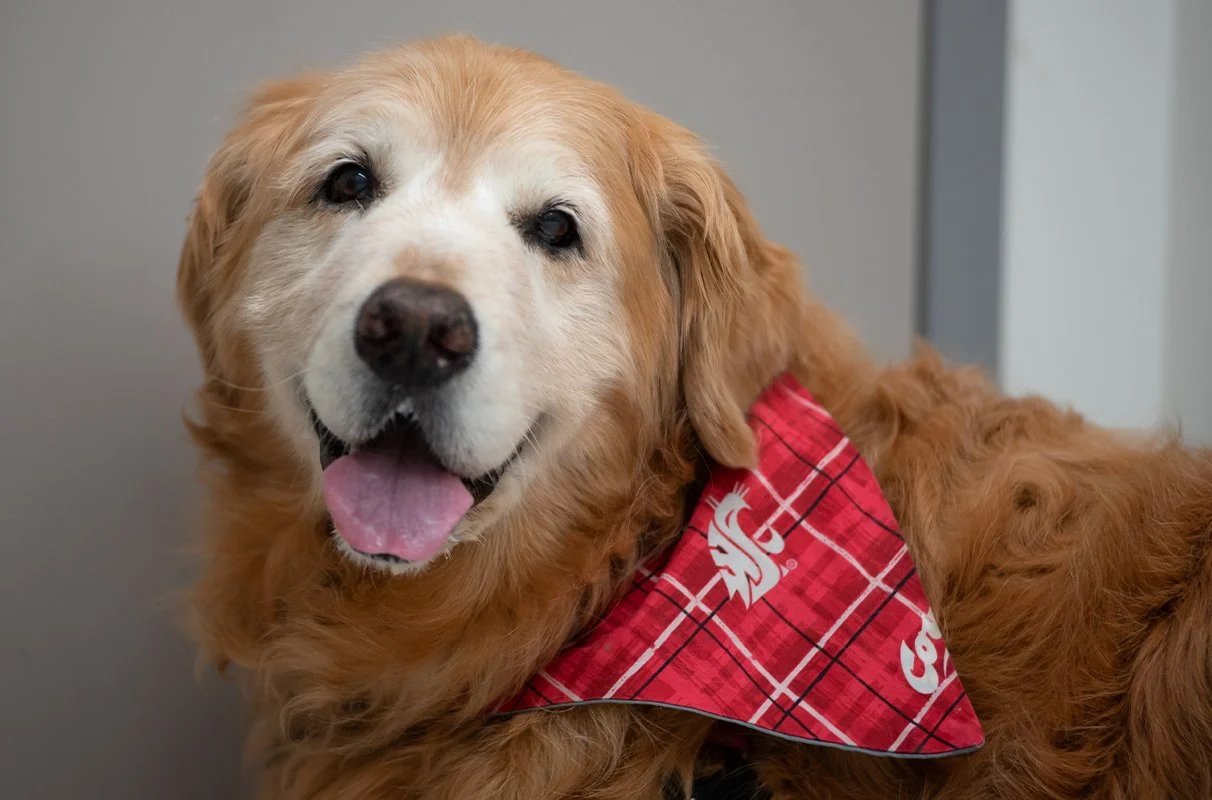
WSU celebrity Dash Dog treated at Veterinary Teaching Hospital
A canine social media star with a long track record of promoting Washington State University is receiving cancer treatment at the university’s Veterinary Teaching Hospital.
Dash Dog, a celebrity around WSU and “WSU Ambassadog” according to his Instagram page with more than 65,000 followers, was brought to WSU earlier this month following diagnosis of a heart arrhythmia.
The cause of that arrhythmia, a malignant tumor known as a histiocytic sarcoma, was found on Dash’s spleen and removed by WSU veterinary surgeons. There is no overt evidence that the tumor has spread, but because spread often occurs with this tumor type and may not yet be evident, Dash must undergo weeks of oral chemotherapy, beginning with his first treatment last week.