



Exhausted and Overworked: Vet Students Face 100-Hour Weeks Amidst Rising Patient Care Concerns
In a letter to administration signed by 65 fourth-year students and recent graduates, students said they were consistently working more than 100 hours a week — a violation of guidelines from the Student American Veterinary Medical Association (SAVMA), which calls for a cap of 80 hours a week. (SAVMA does not have any authority to enforce its guidelines; it only encourages institutions to follow them.) Forty-seven students signed the letter with their names.

New method could help estimate wildlife disease spread
A new method could be used to estimate the prevalence of disease in free-ranging wildlife and help determine how many samples are needed to detect a disease.
Wildlife agencies often lack the financial and labor resources to collect enough samples to accurately measure how widely a disease has spread. In order to prevent human and animal pandemics with wildlife origins, such as with COVID-19, key species must be effectively monitored for emerging diseases that can cross from animals to humans.

Chewy Leaps from E-Commerce Giant to Veterinary Game-Changer: Unveiling Revolutionary Clinics in 2024!
Online pet supply retailer Chewy announced December 14 it will be opening veterinary clinics in 2024.
The company is launching a handful of practices under the brand name “Chewy Vet Care,” with the first location to open in South Florida early next year. The clinics will offer services including routine appointments, urgent care, and surgery.

Unlock the Hidden Mysteries of Canine Health: Discover the Revolutionary FREE Course Transforming Veterinary Medicine!"
In the groundbreaking course "Decoding Canine Epilepsy," Dr. Gaemia Tracy, a renowned expert in veterinary neurology, invites veterinarians and veterinary technicians on a journey of discovery and learning. This program is not just an educational course; it's a deep dive into the complex world of canine epilepsy, a condition marked by seizures and convulsions in our canine companions. Brought to you by PRN Pharmacal, makers of KBroVet-CA-1, a once a day treatment for canine epilepsy. Learn more at kbrovet.com.

Pre-Specialty Purgatory: The Harsh Reality of Veterinary Residency Programs
The path to veterinary specialization should not be laden with financial hardship, mental strain, and restrictive contractual obligations. The veterinary community needs to come together to support future specialists, advocating for a system that is both equitable and supportive of their professional and personal well-being. Change is necessary to ensure that the pursuit of veterinary specialization is a journey of growth and learning, not one of financial and personal struggle.
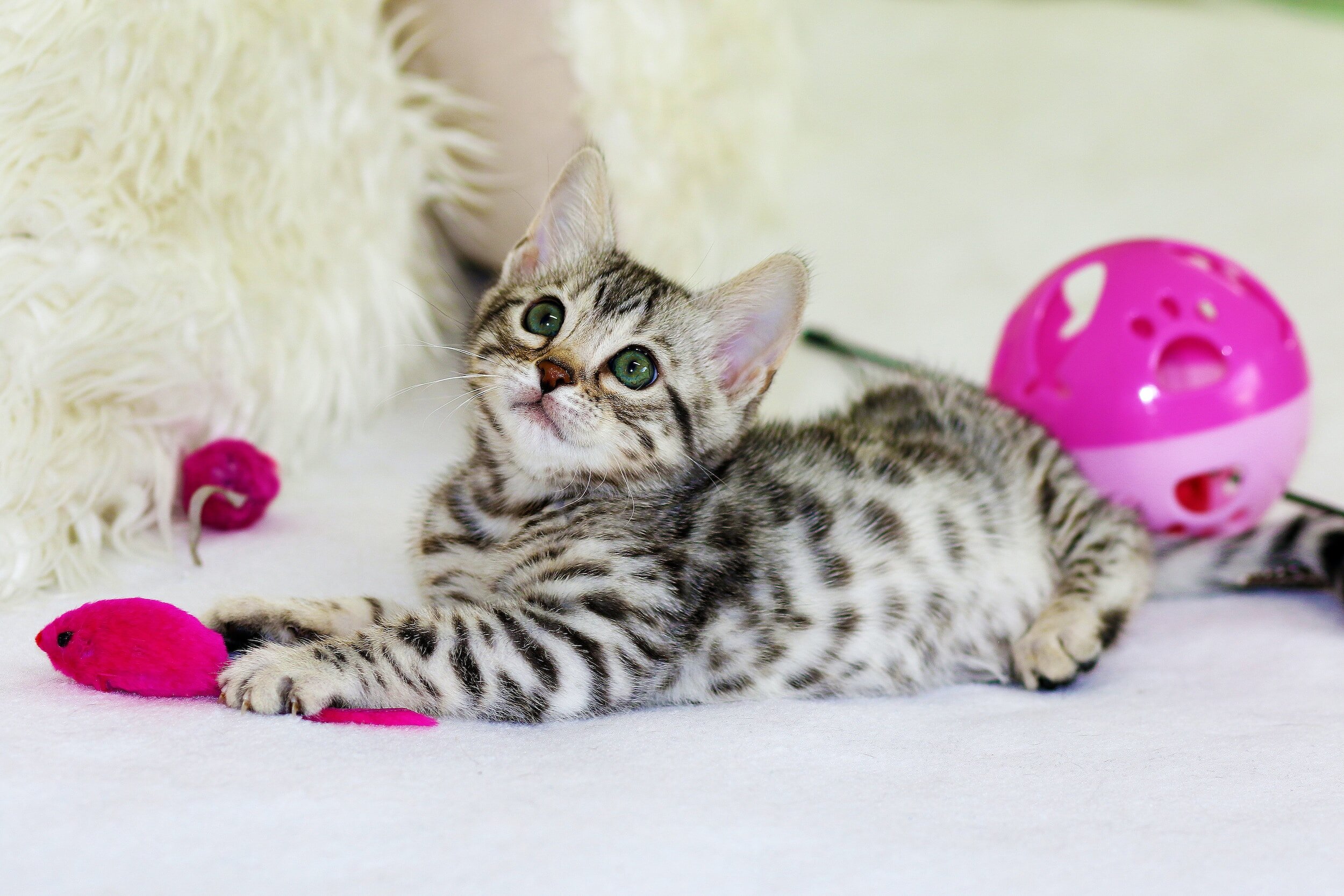
Animal behavior: Cats like to fetch when they’re feline playful
Cats tend to dictate games of fetch with their owners and most cats who play fetch learned to do so without explicit training, according to a survey of 924 cat owners published in Scientific Reports. The findings also highlight the variety of objects that cats prefer to fetch, including hair ties and bottle parts.
Jemma Forman, Elizabeth Renner and David Leavens surveyed cat owners who reported fetching behaviours in 1,154 cats that they currently or previously owned. Owners reported how fetching first occurred, how often it occurs per month, the objects their cat preferred to fetch, and who usually initiated or ended games of fetch.
The authors found that 59% of cats who played fetch did so on up to ten occasions per month and 55% fetched objects up to five times in their most recent game. Cats initiated and ended games of fetch more often than their owners and tended to play fetch more frequently and for longer periods of time during their most recent game when they, rather than their owners, initiated games. Cats also tended to play fetch more frequently and for longer periods of time when their owners usually ended games. Together, this indicates that cats tend to control games of fetch with their owners and may continue to play until owners end them.
94% of owners surveyed reported that their cat began playing fetch without being explicitly trained to do so and that 61% first started fetching as kittens (less than one year old). Although some owners reported the possibility that their cat could have learned to fetch from another animal, only 23% of cats lived with a dog or another cat who fetched. Out of 160 cats identified as purebreds, Siamese cats were the most frequently reported fetching breed (36 cats), followed by Bengal (16) and Ragdoll (12). The authors found that cats displayed individual preferences for the objects and members of a household they preferred played fetch with, as well as the locations they preferred to play in. While cat toys accounted for just under 40% of objects used in games of fetch, the majority of objects that cats preferred to fetch were objects either found in a household, such as hair ties or bottle parts, or thrown opportunistically by owners, such as crumpled paper. Common locations for games of fetch were bedrooms and stairs.
The findings suggest that cats tend to control games of fetch with their owners and highlight the individual variation in cat fetching behaviours.