

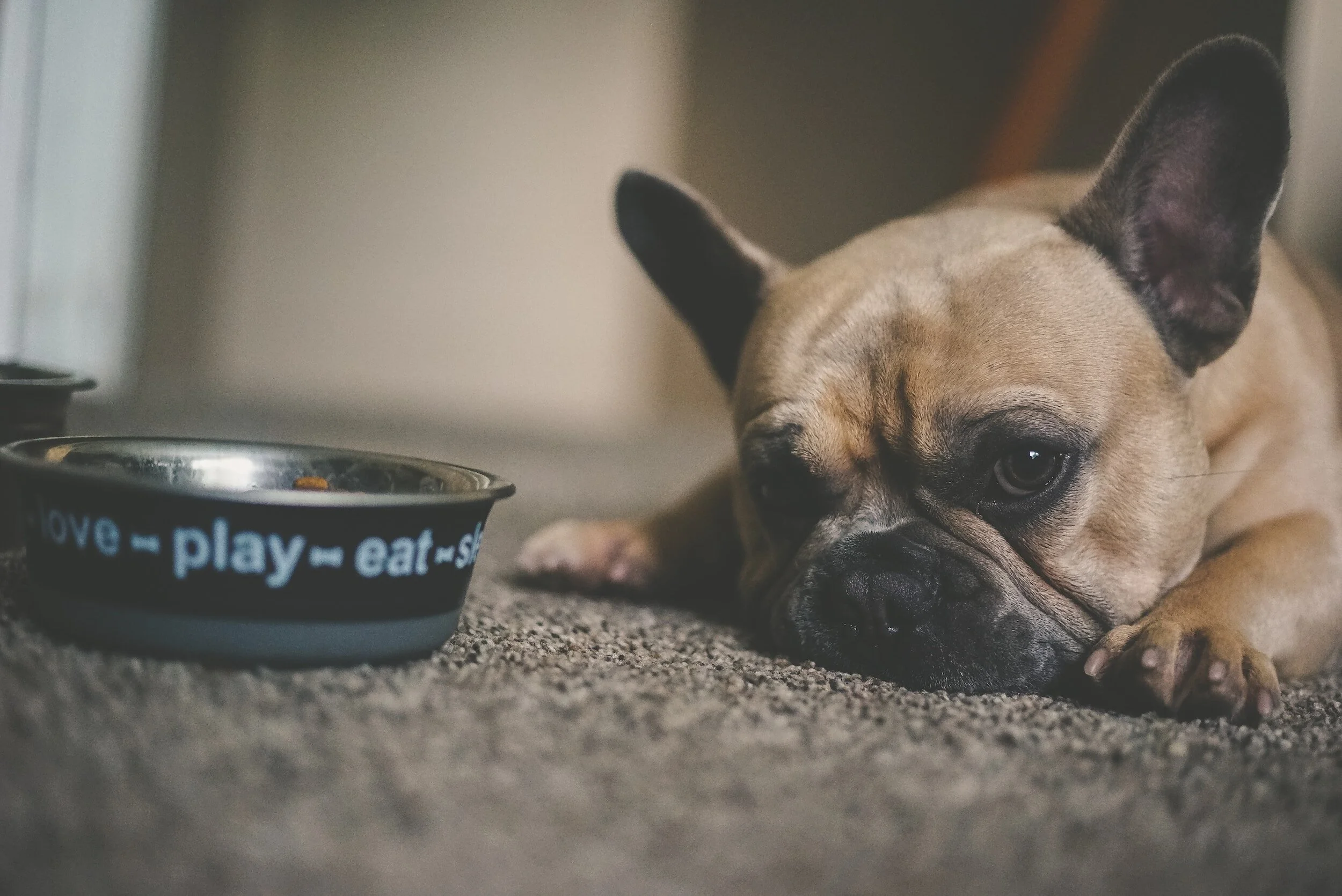
Pickier dogs have pickier brains
Dogs’ food preferences are mirrored in their brain activity, particularly within their caudate nuclei -a brain region associated with reward processing, a new study combining behavioural and neuroimaging data by researchers from the Department of Ethology, Eötvös Loránd University (Hungary) and Symrise Pet Food (France) finds. The study, which seamlessly blends behavioral observations with advanced neuroimaging techniques, offers novel insights into the influence of food quality on dogs' motivation. This work has been published in Scientific Reports.
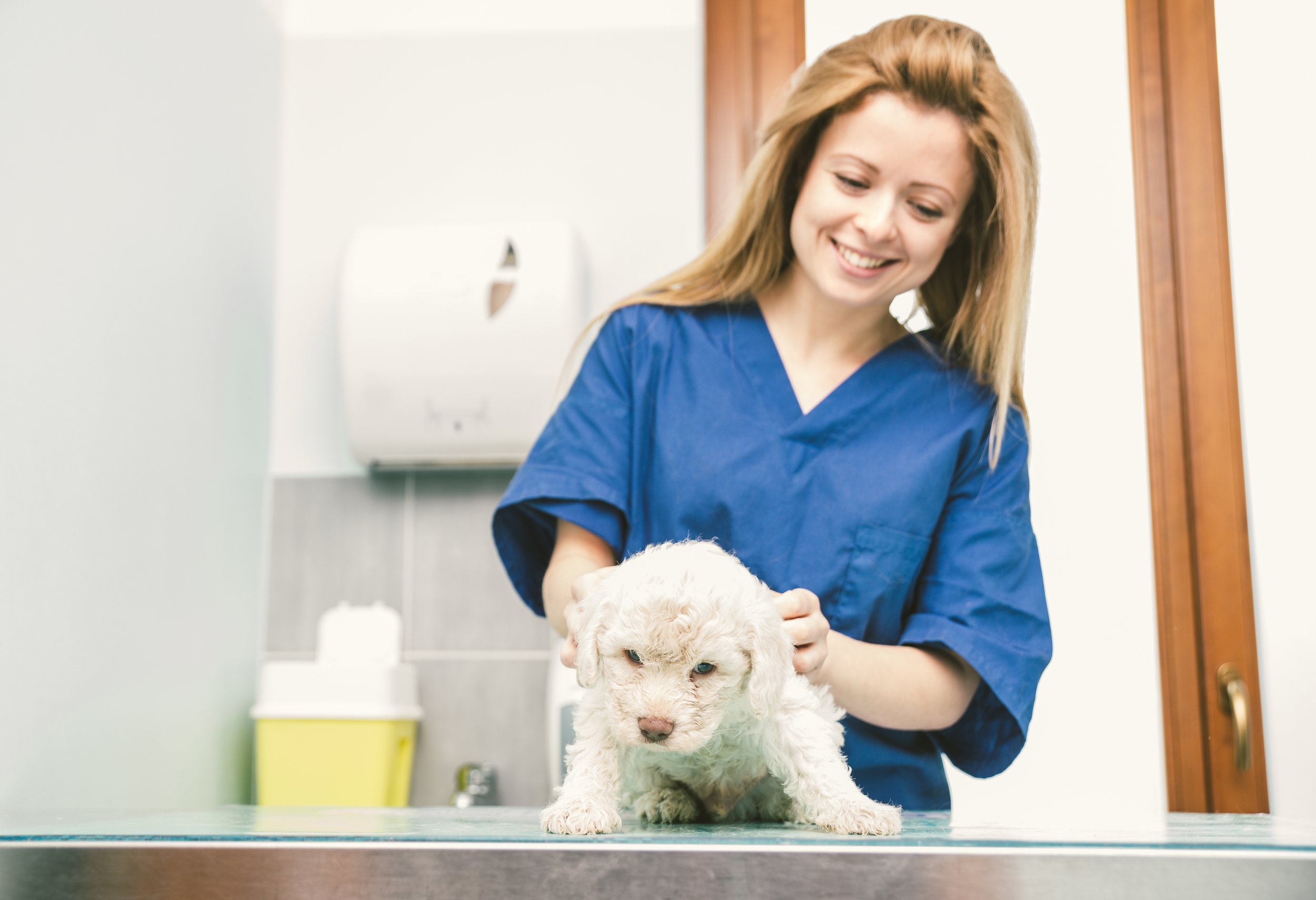
3 time-saving hacks for your veterinary clinic
Discover 3 Time-Saving Hacks for Your Veterinary Clinic! Unleash efficiency with Covetrus® breakFREE™ Breakaway IV Connector, digital appointment scheduling, and streamlined electronic health records (EHR). Elevate your clinic's workflow and patient care today.
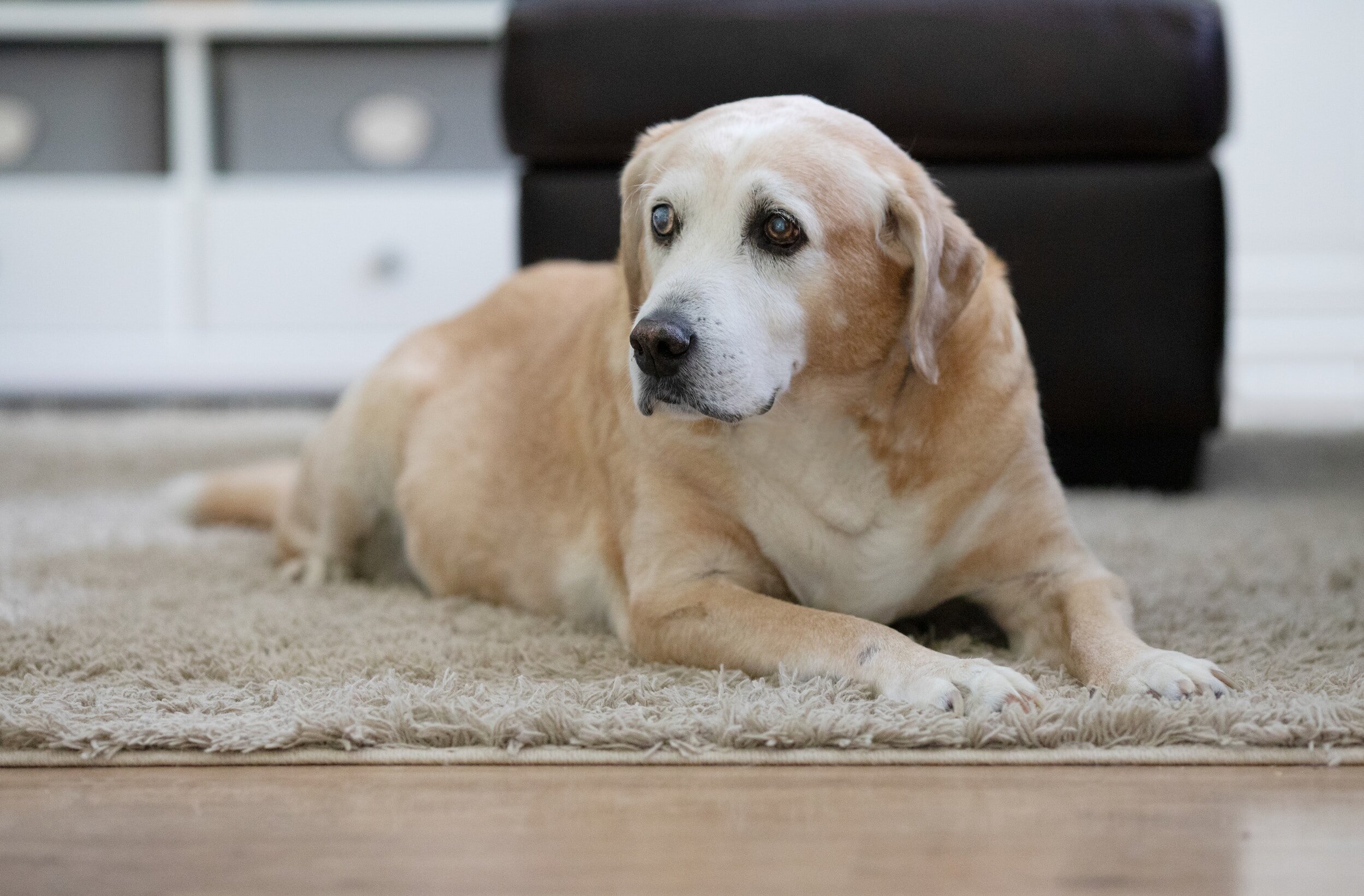
What to know about anti-aging medication in development that could help dogs live longer
The Center for Veterinary Medicine at the FDA has reviewed Loyal’s data, results, and scientific arguments and determined they provide reasonable expectation of the drug’s effectiveness to extend canine lifespan and healthspan. Pending successful completion of the Manufacturing and Safety sections, Loyal will receive conditional approval for LOY-001, allowing them to market the drug for large-dog lifespan extension.
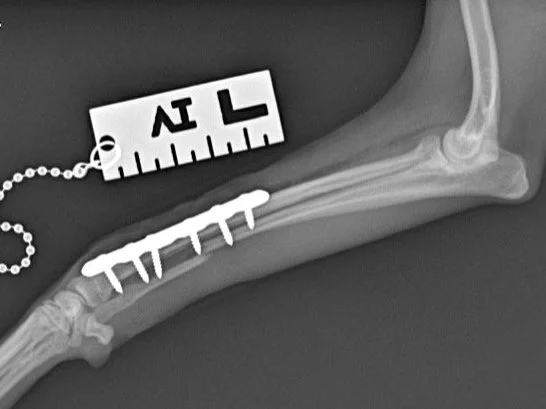
Unleashing the Power of Surgical Locking Plates
Over the past decade or so, locking plates have gained tremendous popularity amongst veterinary surgeons. Locking plates are great, but there is also a lot of confusion and misconception around their proper use, which can lead to unnecessary and avoidable complications for the patient. A proper foundation in the biomechanics of both non-locking (compression) and locking plates is critical to their correct use. In this article, we will discuss an overview of the biomechanics of how these plate systems work, as well as give some examples of their uses.

Breathing Life into Veterinary Stories: The Trudell AeroVet Chambers Case Story Contest
Calling all veterinary professionals! It's time to share the tales of your furry patients' respiratory journeys in the Trudell AeroVet Chambers Case Story Contest. This exciting contest not only provides a platform for showcasing your expertise but also offers a chance to win fantastic prizes, including gift cards valued at $100, $250, and $500!
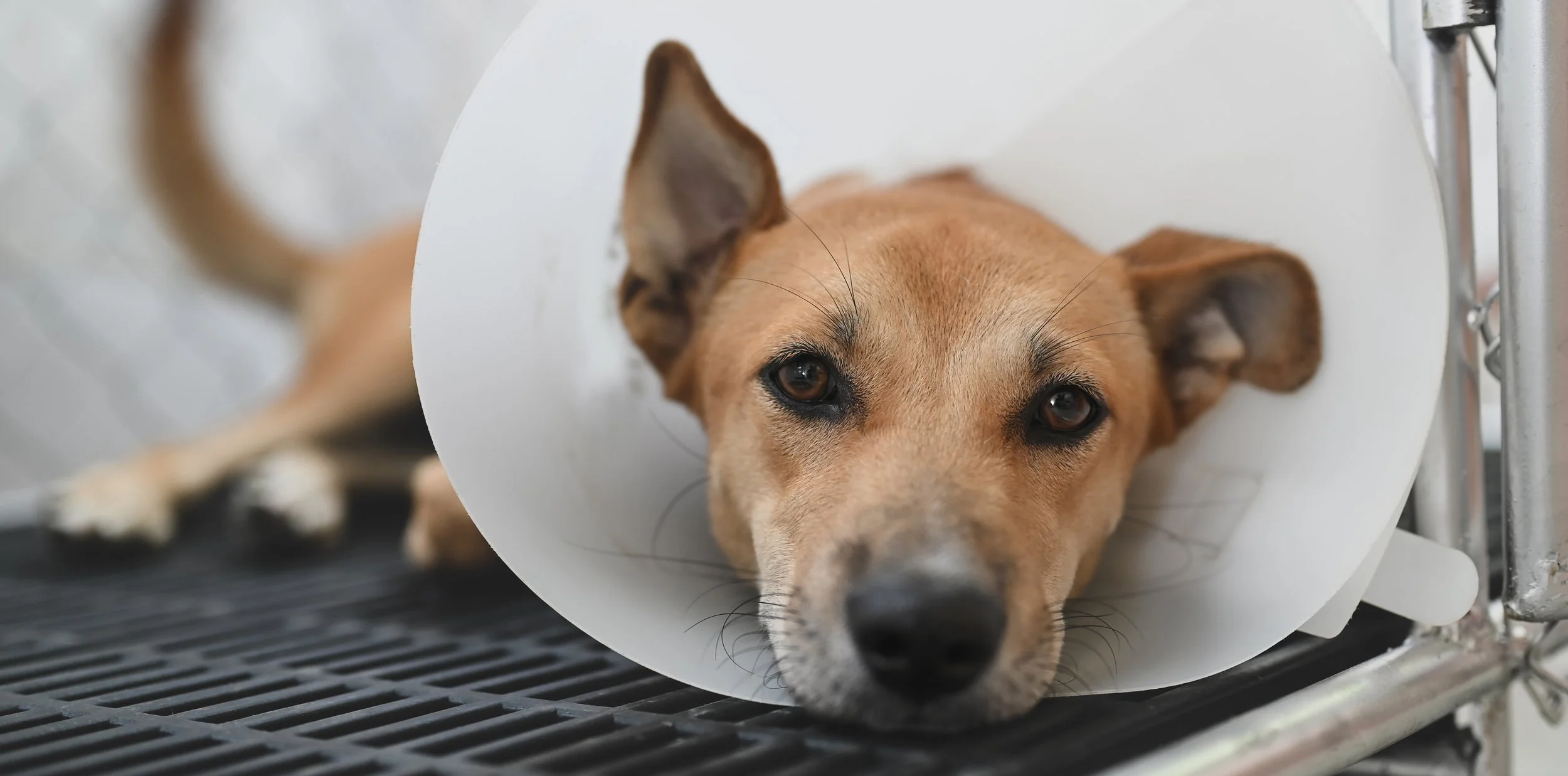
The Evolution of Implants in Veterinary Orthopedics
The first use of orthopedic implants in veterinary medicine is not well documented. Significant development of veterinary specific implants began in the mid-20th century. With the increased value placed on companion animals and the growth of veterinary medicine as a profession, more attention was given to treating musculoskeletal issues in animals. This led to the introduction of orthopedic implants specifically designed for animals. This timeframe mirrors a time of large growth in the field of human orthopedics, particularly after World War II, where there were rapid advancements in surgical techniques and implant technology. These advancements eventually began to influence veterinary medicine. Prior to this, veterinary medicine focused on treating infections and disease with surgery being rare and limited to simple procedures with much of the focus being on horses rather than what we consider our pets or companion animals today.