


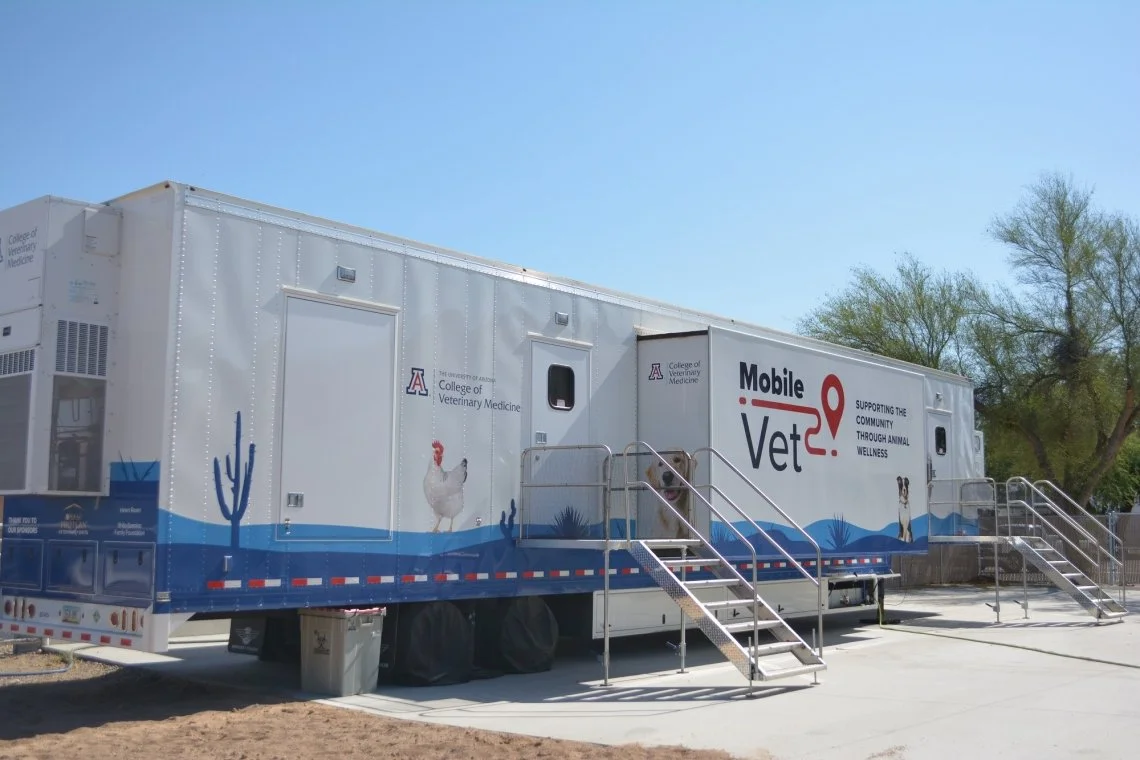
Mobile surgical unit provides veterinary care across Arizona
The University of Arizona College of Veterinary Medicine recently hit the road in its mobile surgery unit, a 53-foot travel trailer housing all the equipment and supplies necessary to perform medical tests and procedures on a variety of animals.

Unveiling the Startling Spike in Animal-Related Injuries at Veterinary Centers
A study aimed to characterize animal-related injuries among veterinary medical center staff, shedding light on crucial trends to enhance workplace safety. Researchers analyzed 706 hospital staff injuries, this research delves into injury reports submitted to Human Resources between 2008 and 2022. Data include injury descriptions, dates, occupations, and worker’s compensation details. The research methodology involves summarizing data by year, identifying causes of injury, calculating total injury costs, and categorizing injuries based on occupation.

Clues to mysterious new sickness affecting dogs
Veterinarians routinely encounter and address typical canine respiratory pathogens. However, the cases under scrutiny have tested negative for these standard pathogens, prompting a comprehensive investigation to explore the possibility of emerging pathogens previously unidentified as causes of respiratory disease. It is crucial to note that any findings at this stage are preliminary, and ongoing investigations are essential for conclusive determinations.
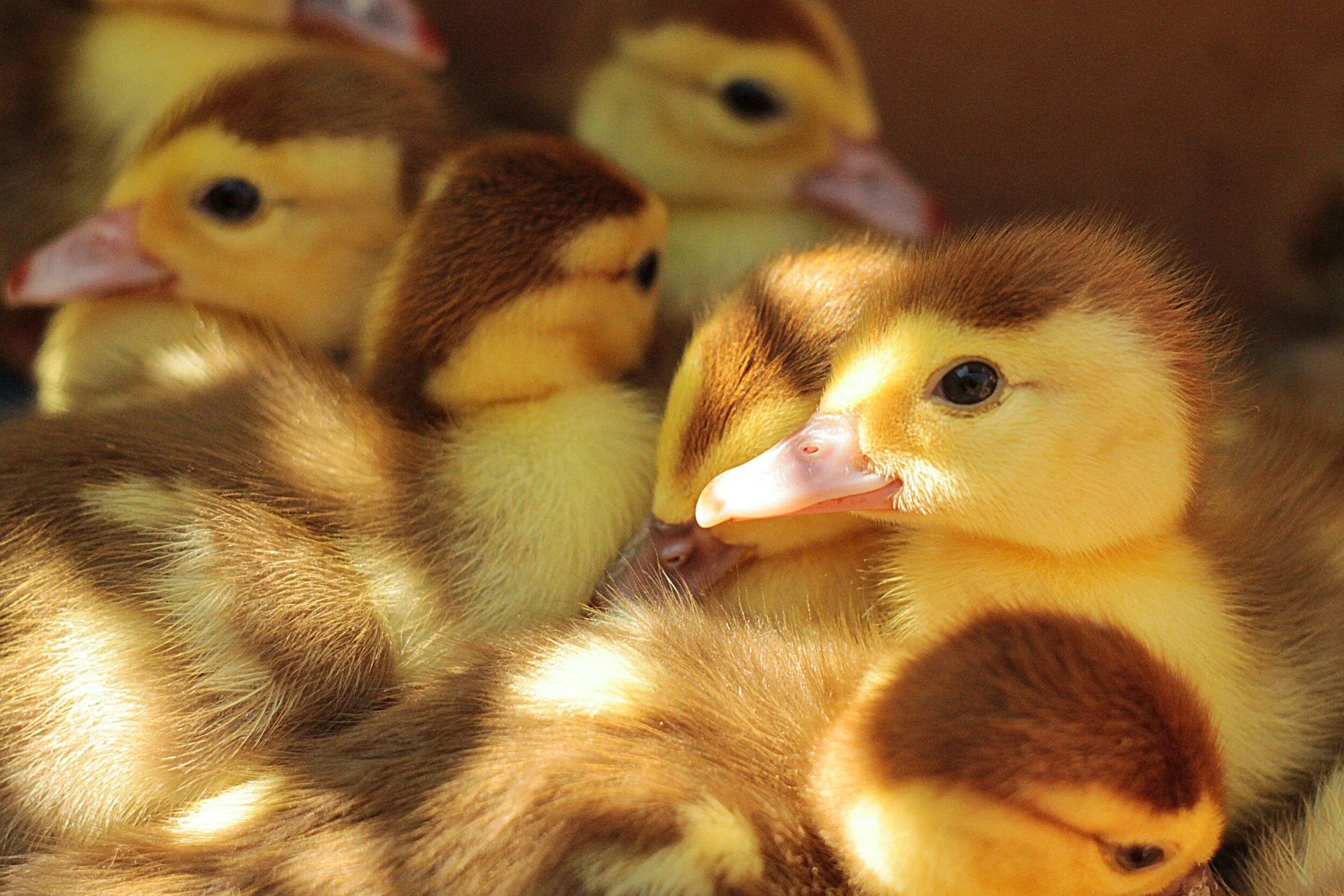
Highly Pathogenic Avian Influenza Confirmed in Commercial Duck Flock in Georgia
The Georgia Department of Agriculture and USDA’s Animal and Plant Health Inspection Service (APHIS) announced a commercial Duck breeding operation located in Sumter County, Georgia, has tested positive for Highly Pathogenic Avian Influenza (HPAI). This is the first confirmation of HPAI in a commercial waterfowl flock in Georgia. Avian influenza does not pose a risk to the food supply, and no affected animals entered the food chain. The risk of human infection with avian influenza during poultry outbreaks is very low.

World Small Animal Veterinary Association Appoints New Team
New Chairs Announced for WSAVA Clinical Committees
The World Small Animal Veterinary Association (WSAVA) has appointed its first Chief Learning and Development Officer (CLDO) to spearhead its efforts to bring high quality, accessible and topical continuing education (CE) to its global membership. It has also announced new chairs for two of its clinical committees. Comprised of experts from around the world, the WSAVA’s 12 clinical committees each focus on a specific area of companion animal practice, creating WSAVA Global Guidelines and other educational resources in support of the WSAVA’s goal to set global standards for companion animal veterinary practice.
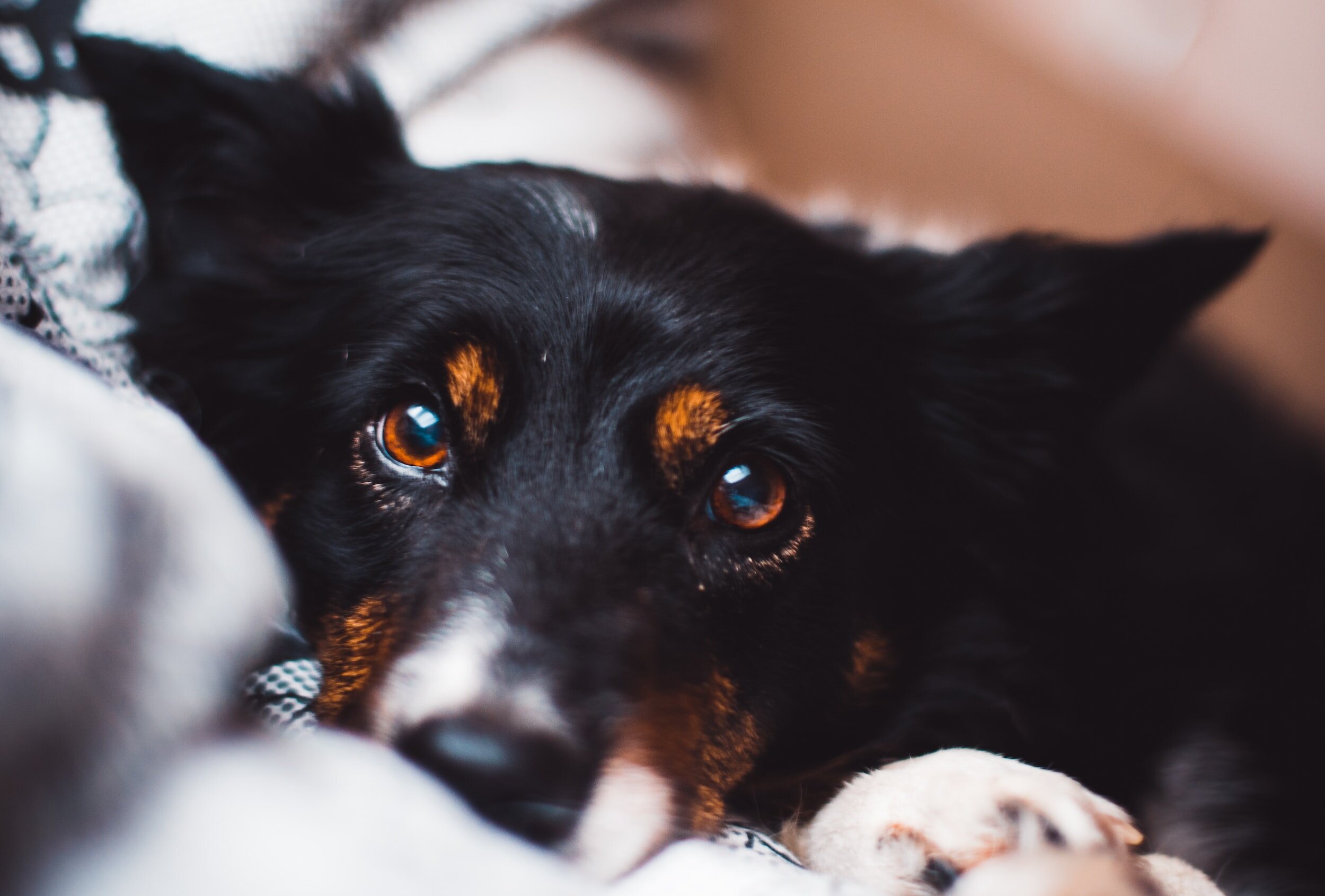
The way dogs see the world: Objects are more salient to smarter dogs
When we point at an object, the toddler focuses on the object, while the dog usually takes the gesture as a directional cue. In a recent study, researchers from the Department of Ethology at Eötvös Loránd University find explanations for this phenomenon. It appears that the discrepancy is not only due to how dogs see, but may, in fact, reflect how they think. For "smarter" dogs, the appearance of an object matters as much as its location, suggesting that their information processing is more similar to that of humans.