



Chlorine disinfectant is no more effective than water at killing off hospital superbug
Research by the University of Plymouth has showed spores of Clostridioides difficile, commonly known as C. diff, are completely unaffected despite being treated with high concentrations of bleach used in many hospitals.

How Artificial Intelligence could transform veterinary education
Assessing suturing skills in veterinary students is crucial. Innovative approaches like AI and EMG data analysis offer potential solutions. Read more here.Assessing the suturing skills of veterinary students is crucial to ensure they acquire the necessary competency for surgical procedures. In recent years, researchers have explored the use of innovative approaches, such as artificial intelligence (AI) and electromyographic (EMG) data analysis, to enhance the evaluation process. This article presents a study that aimed to evaluate suturing skills using different performance assessment methods and compare the results with EMG data.

Championing Pets and People: The Inspirational Journey of Quisha Brown
Brooklyn, New York, a vibrant metropolis with a heartbeat of its own, is where dreams come to life, and where individuals with enormous hearts and aspirations thrive. In this dynamic city, one remarkable figure stands out – Quisha Brown, a single mother, a seasoned veterinary professional, and a passionate advocate for both pets and people.

Mind-Blowing revelation: What happens to dogs after adoption?
Discover the hidden truths of shelter dog adoption - from challenges to heartwarming surprises. Dive into the study that reveals the journey of new dog owners in the first six months. Get the scoop here!"
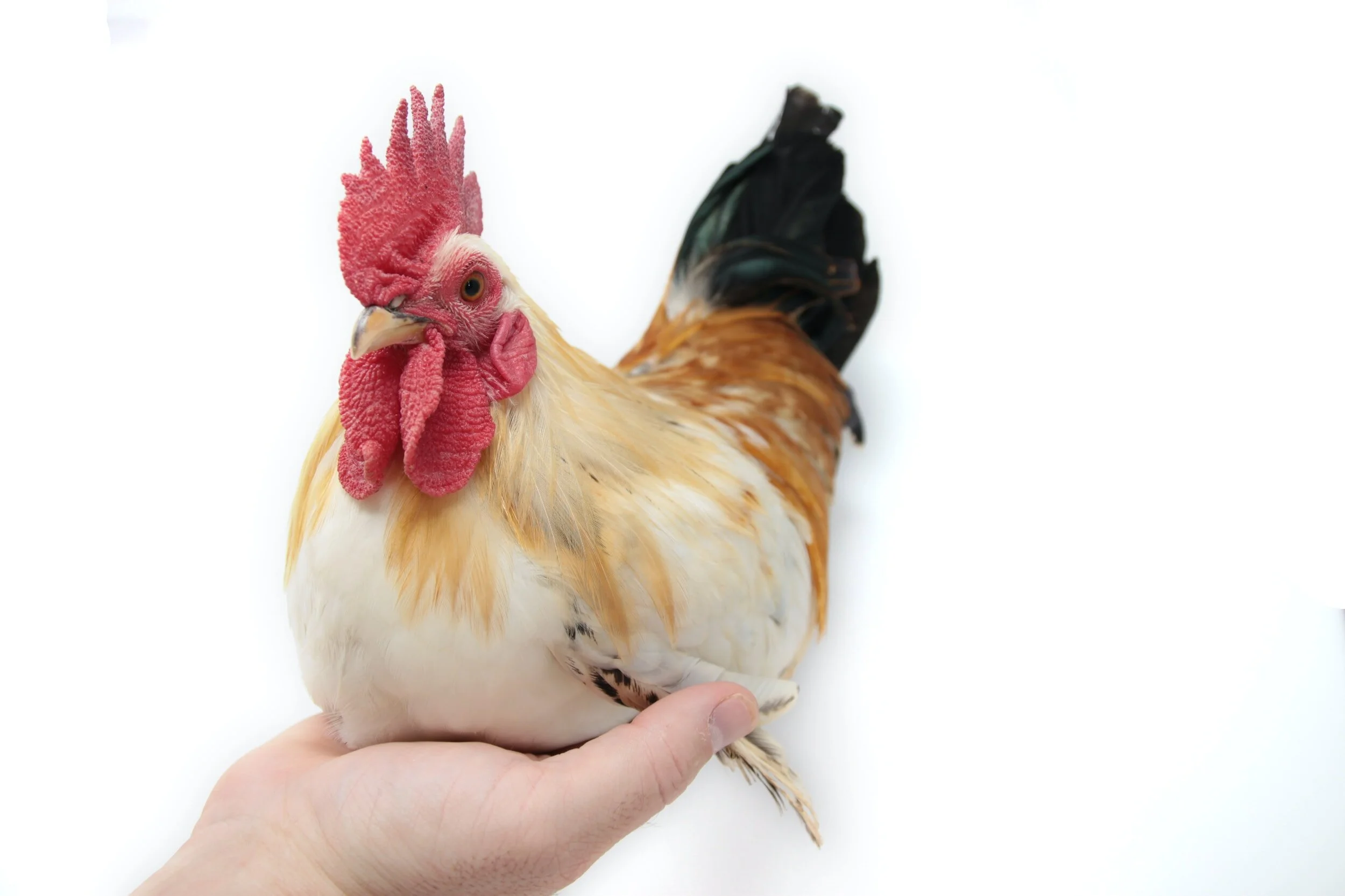
Boost your broiler production with the power of beta-glucanase in wheat diets!
In today's world, where concerns about antibiotic resistance and public health are on the rise, scientists are actively seeking alternatives to antibiotics in chicken feed. In a recent publication in the Animal Nutrition journal by KeAi, a team of Canadian researchers detailed a common ingredient in chicken diets—wheat—and how a special enzyme, purified beta-glucanase, can make a big difference.

Comparing oral fluralaner and topical imidacloprid/flumethrin
Researchers evaluated the efficacy of two different treatments, orally administered fluralaner and topically administered imidacloprid/flumethrin, for controlling infestations of Rhipicephalus sanguineus sensu lato (brown dog tick) in premises where dogs are housed. The study involved 32 dogs in eight kennels, with one group serving as untreated controls, another receiving oral fluralaner, and the third receiving topical imidacloprid/flumethrin collars. Prior to treatment, tick infestations were established in the kennels, and precise off-host tick counting was performed on kennel surfaces.