



Some “designer” crossbreed dogs may have more problem behaviors than pure breeds
In a new, survey-based study of three kinds of “designer” crossbreed dogs, cocakpoos, cavapoos and labradoodles, all three showed more undesirable behaviors than at least one of their purebred progenitor breeds, with cockapoos displaying the most unwanted habits. Gina Bryson of the Royal Veterinary College, U.K., and colleagues present these findings in the open-access journal PLOS One on March 19, 2026.

Your Client Bought a Doodle Because It Would Be "Good With Kids." New Research Has Some Thoughts on That.
The doodle craze has reshaped what people think they're getting when they buy a designer crossbreed. A new study from the Royal Veterinary College suggests the reality is more complicated — and the behavioral consequences are landing in your exam room.
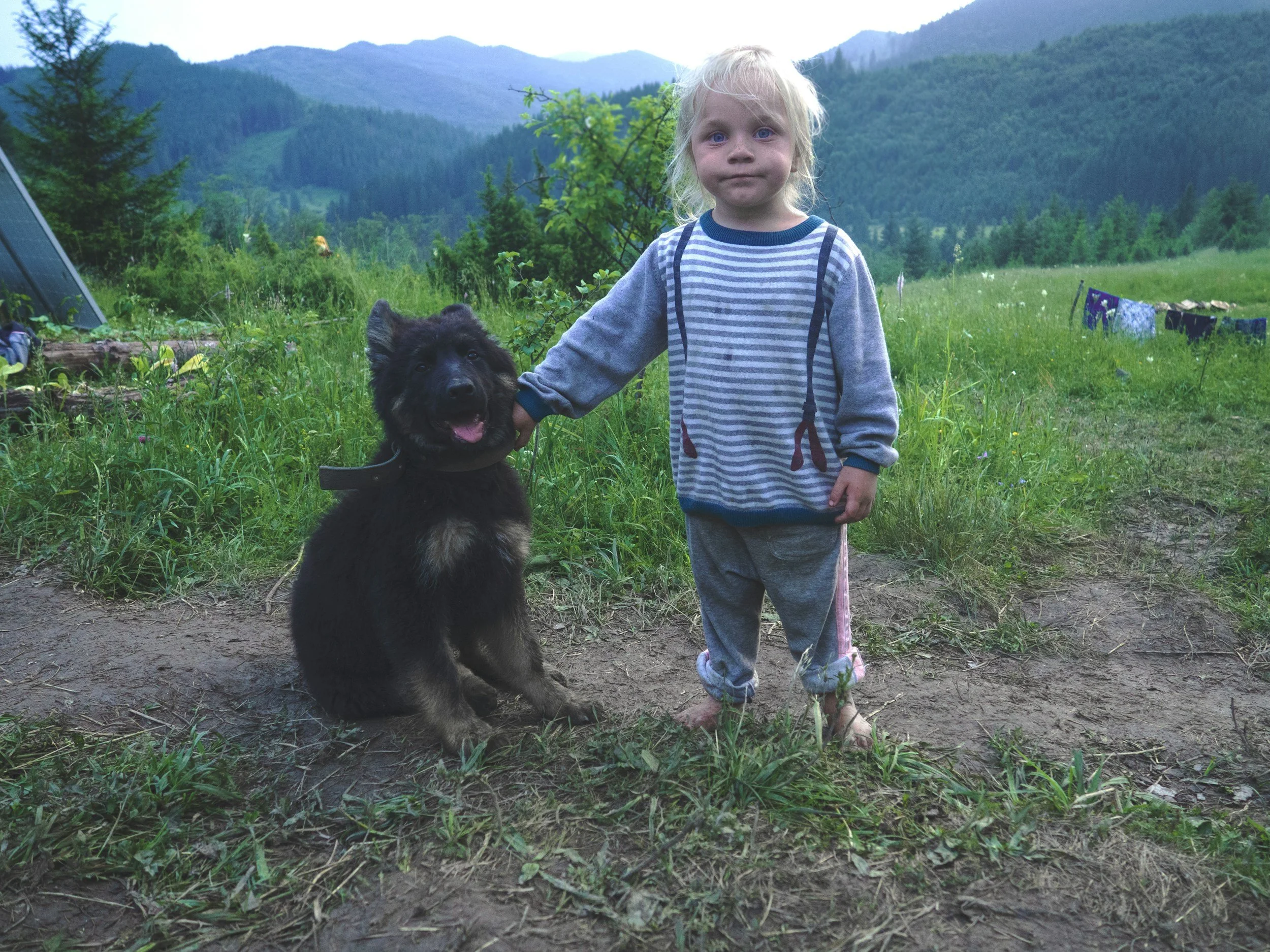
Dogs are more like toddlers than cats when it comes to helping humans
Why does your dog rush to “help” when you are searching for something, while your cat seems… hm, less concerned? New research suggests that this difference may stem from deep evolutionary roots — and that, in certain situations, dogs behave more similarly to young children than to cats.

Research Indicates Therapy Dog Interventions Reduce Loneliness
The Human Animal Bond Research Institute (HABRI) announced results of a randomized clinical trial that indicate the presence of a therapy dog contributes to greater immediate improvement in loneliness for psychiatric inpatients than visits from another person, or standard care alone. This study, published in Frontiers in Psychiatry, was conducted by Dr. Nancy Gee, Director for the Center for Human-Animal Interaction at Virginia Commonwealth University, and colleagues.
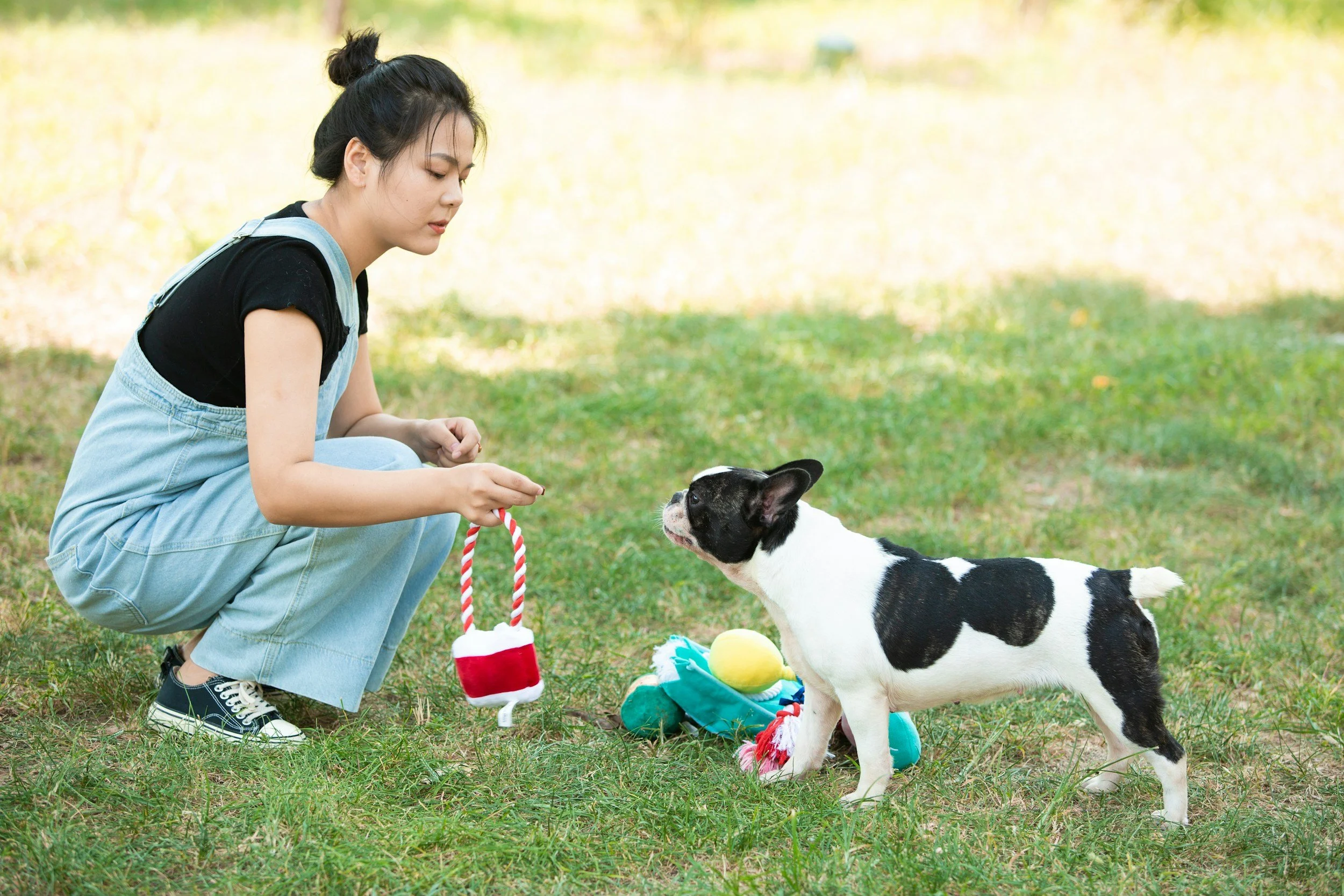
Hearing angry or happy human voices is linked to changes in dogs’ balance
In a small study, dogs experienced both stabilization and destabilization of their balance upon hearing angry or happy human voices, but angry voices were linked to the biggest destabilizing effects. Nadja Affenzeller and colleagues at the University of Veterinary Medicine, Vienna, Austria, present these findings in the open-access journal PLOS One on January 28, 2026.
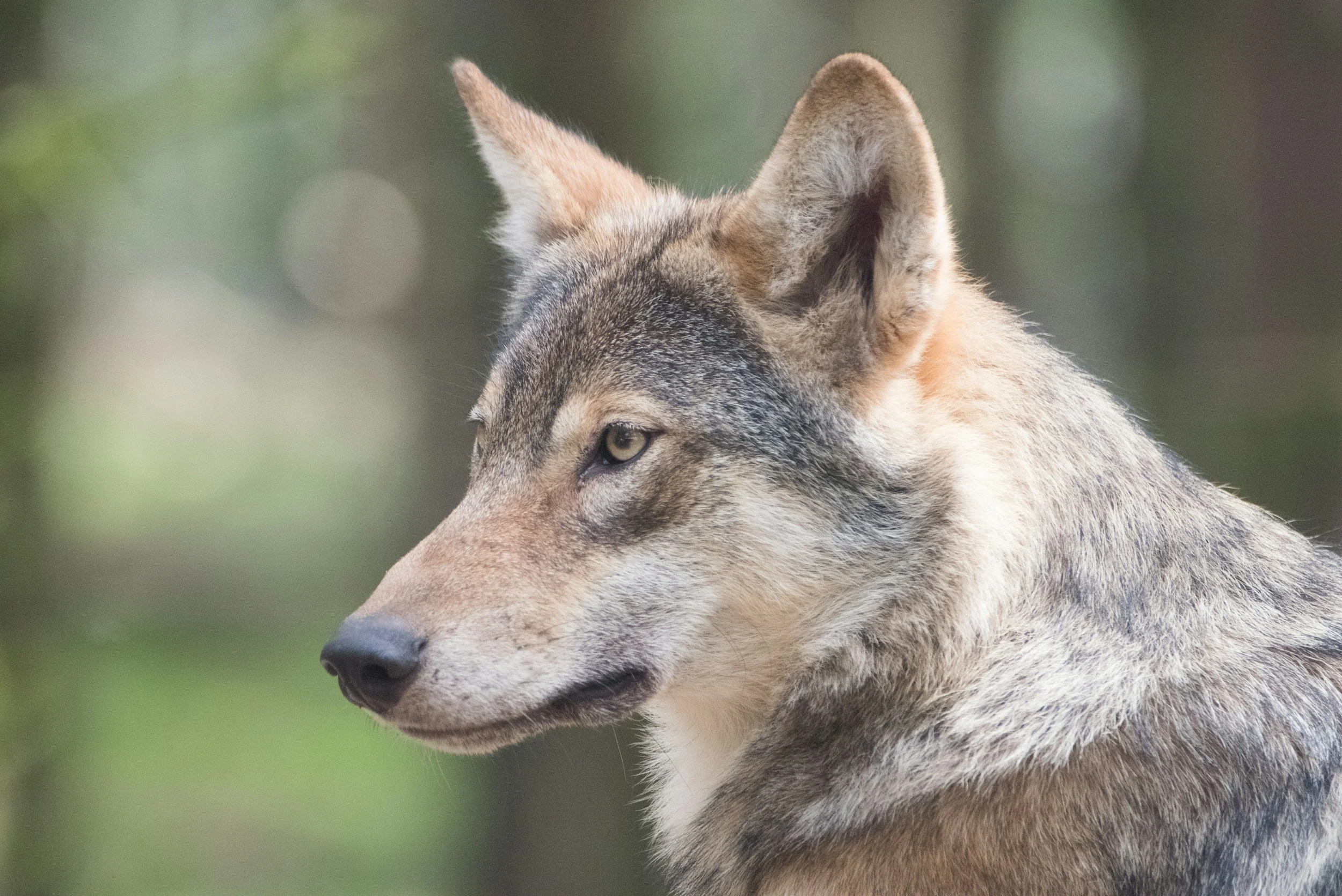
Study finds that the majority of modern dogs have detectable wolf ancestry
New research led by scientists at the American Museum of Natural History and the Smithsonian’s National Museum of Natural History reveals that the majority of dogs living today have low but detectable levels of post-domestication wolf ancestry that has likely shaped characteristics including body size, sense of smell, and personality traits.