

Multi-systemic: Cystic Calculi
Cystic calculi, commonly known as bladder stones, are a significant health concern in chelonians (turtles and tortoises). This article delves into the etiology, signalment, transmission, clinical signs, diagnosis, treatment, prevention, and prognosis of cystic calculi in chelonians.
Etiology
Cystic calculi form due to various factors, including dietary imbalances, dehydration, and infections. High levels of dietary oxalates, excessive calcium, and low water intake contribute to stone formation. Environmental factors, such as inadequate humidity and improper substrate, can exacerbate these dietary issues.
Signalment
Cystic calculi can affect both male and female chelonians of any age. However, certain species, such as the Mediterranean tortoise (Testudo spp.) and the Eastern box turtle (Terrapene carolina), are more prone to developing bladder stones due to their dietary habits and environmental needs.
Transmission
Cystic calculi are not transmissible as they are not caused by infectious agents but rather by metabolic and dietary factors.
Clinical Signs
Chelonians with cystic calculi may exhibit a range of clinical signs, including:
Straining to urinate (dysuria)
Hematuria (blood in the urine)
Lethargy
Anorexia
Shell pyramiding (in chronic cases due to metabolic bone disease)
Weight loss
Diagnosis
Diagnosis of cystic calculi involves a combination of clinical examination and diagnostic imaging:
Physical Examination: Palpation of the coelomic cavity may reveal the presence of stones.
Radiography: X-rays can confirm the presence, size, and number of calculi.
Ultrasound: Useful in detecting smaller stones not visible on radiographs.
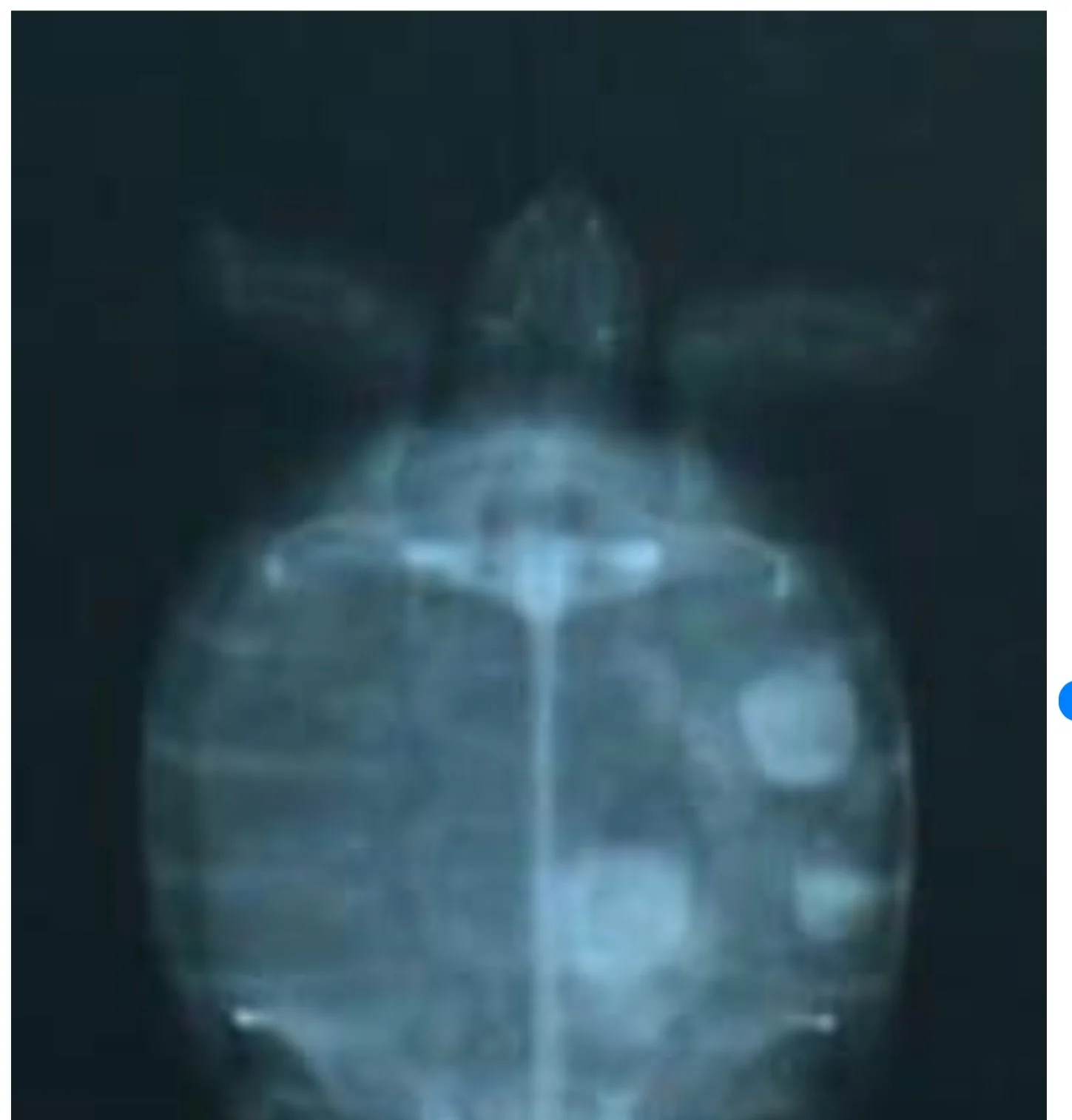
Image credit: Creative Commons. Read full article here: Surgical removal of bladder stone in a sulcata tortoise (Centrochelys sulcata): A case study
Treatment
Treatment options for cystic calculi include:
Surgical Removal: Cystotomy is the most common and effective treatment for removing bladder stones.
Non-Surgical Management: In some cases, smaller stones may pass naturally with increased hydration and dietary adjustments.
Post-Operative Care: Antibiotics and analgesics are essential post-surgery, along with fluid therapy to prevent recurrence.
Prevention
Preventing cystic calculi involves:
Dietary Management: Providing a balanced diet low in oxalates and high in water content.
Hydration: Ensuring constant access to clean, fresh water and maintaining adequate humidity levels.
Regular Check-Ups: Routine veterinary visits for early detection and management of predisposing conditions.
Prognosis
The prognosis for chelonians with cystic calculi is generally good if diagnosed early and treated promptly. Surgical removal has a high success rate, and preventive measures can significantly reduce the risk of recurrence.
