


Dr. Ashley Hopkins Brings Career Coaching to WVC Vegas: Because Burnout Isn't a Badge of Honor
When we asked Dr. Ashley Hopkins to be a Vet Candy ambassador for WVC Vegas 2026, we knew we were bringing something different to the table. While other ambassadors will be covering the latest in cardiology or the coolest surgical techniques, Ashley is bringing something the veterinary profession desperately needs to talk about: how to actually love your career without destroying yourself in the process.
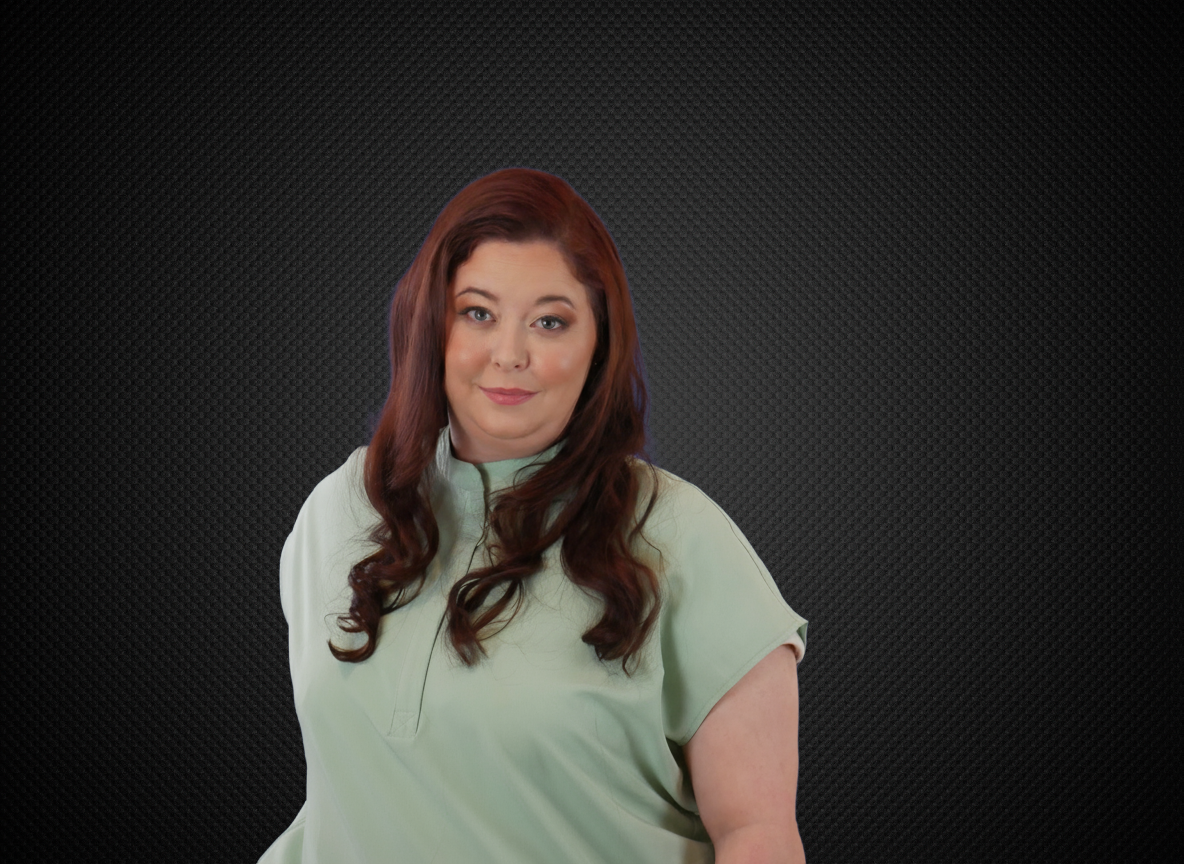
Comedy Meets Veterinary Medicine: Caitlin Palmer Takes WVC Vegas
When we asked Caitlin Palmer to be a Vet Candy ambassador for WVC Vegas 2026, we knew exactly what we were doing. You don't just send anyone to cover the most legendary veterinary conference in existence, you send someone who can capture the energy, the chaos, and the absolutely insane amount of continuing education happening all at once. You send The Desk Wench.

Jeremiah Pouncy Takes WVC Vegas: Your Inside Look at the Best Conference on the Planet
We're not going to lie, when we asked Cornell vet student Jeremiah Pouncy to be a Vet Candy ambassador for WVC Vegas 2026, we knew we were getting someone special. But this guy's resume? It's basically a masterclass in how to crush it before you even graduate.

The WVC Vegas Strategy Nobody Talks About (But Should)
You survived four days of back-to-back lectures. Your tote bag is stuffed with vendor swag. Your phone is full of slide photos you'll never look at again. You fly home exhausted, immediately get slammed with appointments and surgeries, and within two weeks you can't remember a single thing you learned at WVC Vegas.

Purdue launches online clinical pathology program
Dogs and cats are skilled at communicating with their owners, but when it comes to illness, they often hide signs of pain and weakness. That makes early diagnosis challenging — and underscores the importance of clinical pathology in everyday veterinary care.

How Virginia Tech became the quiet force behind veterinary data
When avian influenza swept through U.S. dairy herds last year, veterinary laboratories across the country were suddenly testing milk samples for a virus they had never analyzed in that way before. Results needed to move fast, not in days, but in hours. New sample types, new testing methods, and new species combinations required entirely new terminology almost overnight.