


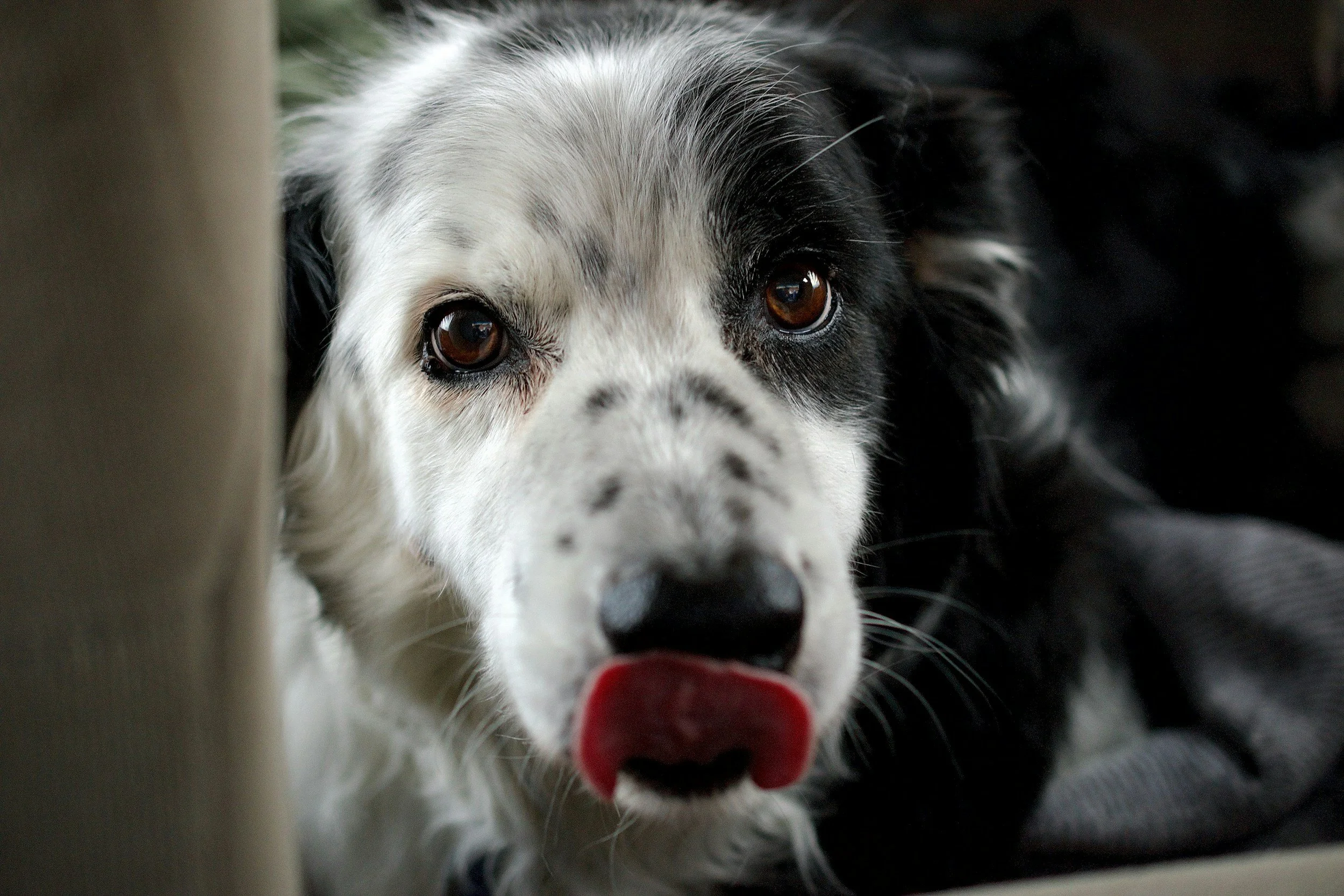
Dog behavioral traits are linked with salivary hormone cortisol and neurotransmitter serotonin
Dogs who scored well on the Wesen test, which is used to analyze a dog’s temperament, tended to have lower levels of cortisol, often called the “stress hormone,” and higher levels of serotonin, often called the “happiness hormone.”

Jeremiah Pouncy’s WVC Vegas Bucket List: Learn, Connect, Experience
WVC Vegas isn’t just another veterinary conference—it’s a whirlwind of learning, networking, and memorable experiences. And no one captures that energy better than veterinary student Jeremiah Pouncy. Walking the Strip with a camera in hand, Jeremiah shares his personal WVC Vegas bucket list, the kind that every attendee can relate to.

IDEXX Laboratories Announces Fourth Quarter and Full Year 2025 Results
The Company reports revenues of $1,091 million for the fourth quarter of 2025, an increase of 14% compared to the prior year period as reported and 12% on an organic basis, driven by Companion Animal Group ("CAG") growth of 15% as reported and 13% organic and Water revenue growth of 12% as reported and 10% organic.

VMD Sciences Supports Veterinary Oncologist with Access to Advanced Cancer Treatment for Dog Through Global Managed Access
VMD Sciences, a global veterinary pharmaceutical access services, announced the successful, compliant importation by a U.S. licensed veterinarian of an advanced cancer therapy approved in Europe.

Lauren Roberts Named Director of Marketing and Communications at Cornell’s College of Veterinary Medicine
Cornell University’s College of Veterinary Medicine has announced the appointment of Lauren Roberts as director of marketing and communications, effective February 1. Roberts steps into the role following the retirement of Len Johnson, who served in the position for more than a decade.

CSU Launches First-of-Its-Kind Master’s Program to Train Veterinary Professional Associates
Colorado State University’s College of Veterinary Medicine and Biomedical Sciences is now accepting applications for the first class of its new Master of Science in Veterinary Clinical Care (MS-VCC) program, an initiative designed to prepare graduates for a newly established mid-level clinical role in veterinary medicine.