



A New Era in Equine Cancer Care: Virginia Tech’s H-FIRE Therapy Arrives at the Equine Medical Center
Virginia Tech–developed high-frequency irreversible electroporation (H-FIRE) is now available for horses at the Marion duPont Scott Equine Medical Center. This innovative, standing cancer treatment improves chemotherapy effectiveness, reduces drug use, and speeds return to work for equine patients with skin tumors.

A Bite-Sized Breakthrough: Can Oral Rabies Vaccines Finally Eliminate Dog-Mediated Rabies?
A new oral rabies vaccine for dogs, delivered through edible baits, could transform global rabies control. Backed by decades of safety data, this approach may help low- and middle-income countries reach herd immunity and finally eliminate dog-mediated rabies.
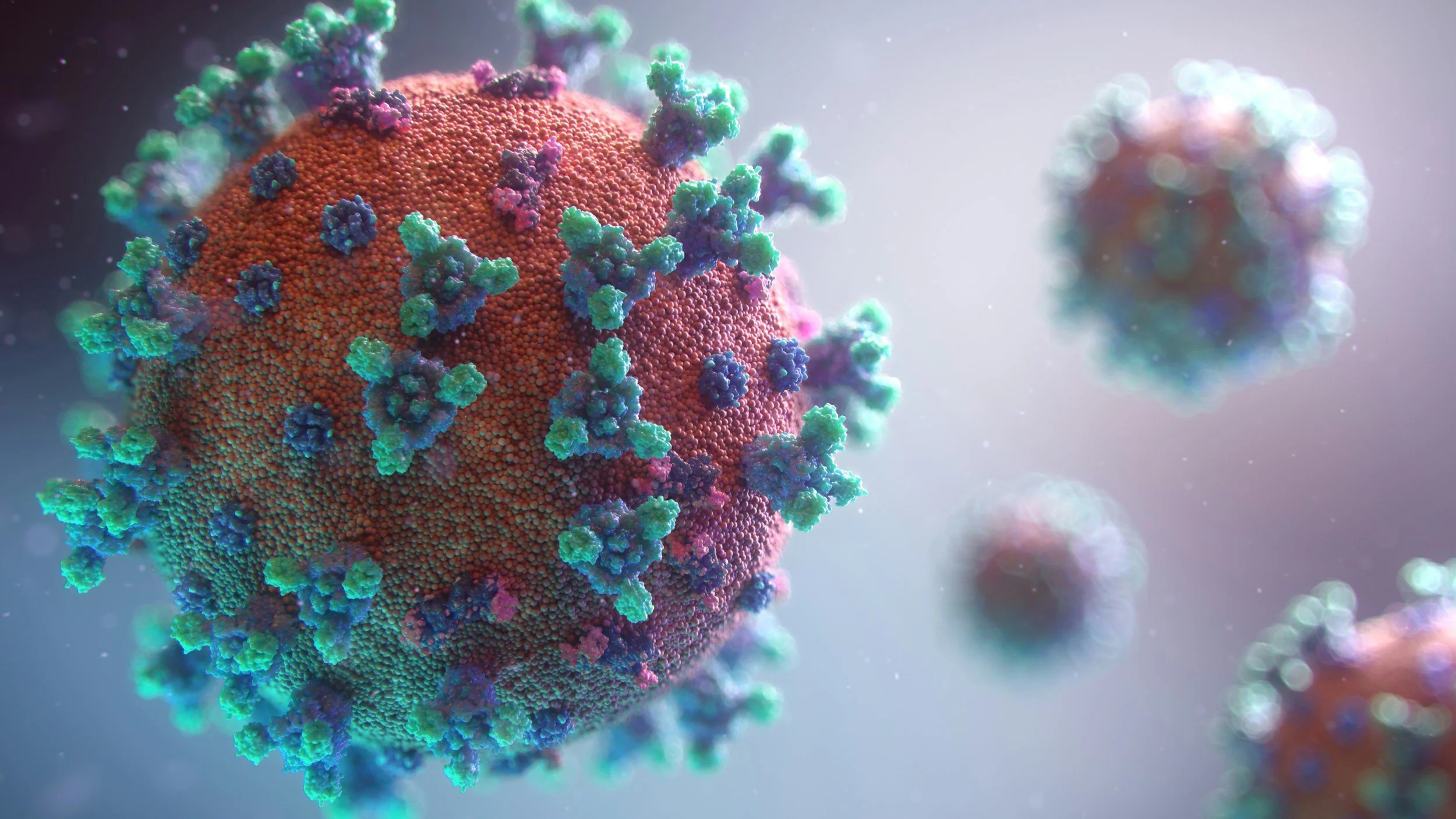
Beyond the Usual Suspects: Emerging Animal Viruses That Could Shape the Next Human Outbreak
Emerging research warns that influenza D virus and canine coronavirus—two animal-origin viruses—may pose underestimated risks to human health. Limited surveillance, evolving transmissibility, and low population immunity highlight the need for a One Health approach to prevent future outbreaks.

Texas A&M vet research team study suggests link between viral infection and ALS
Veterinary researchers at Texas A&M University are at the center of a major scientific discovery that could reshape how we understand and eventually treat devastating motor neuron diseases like amyotrophic lateral sclerosis (ALS).
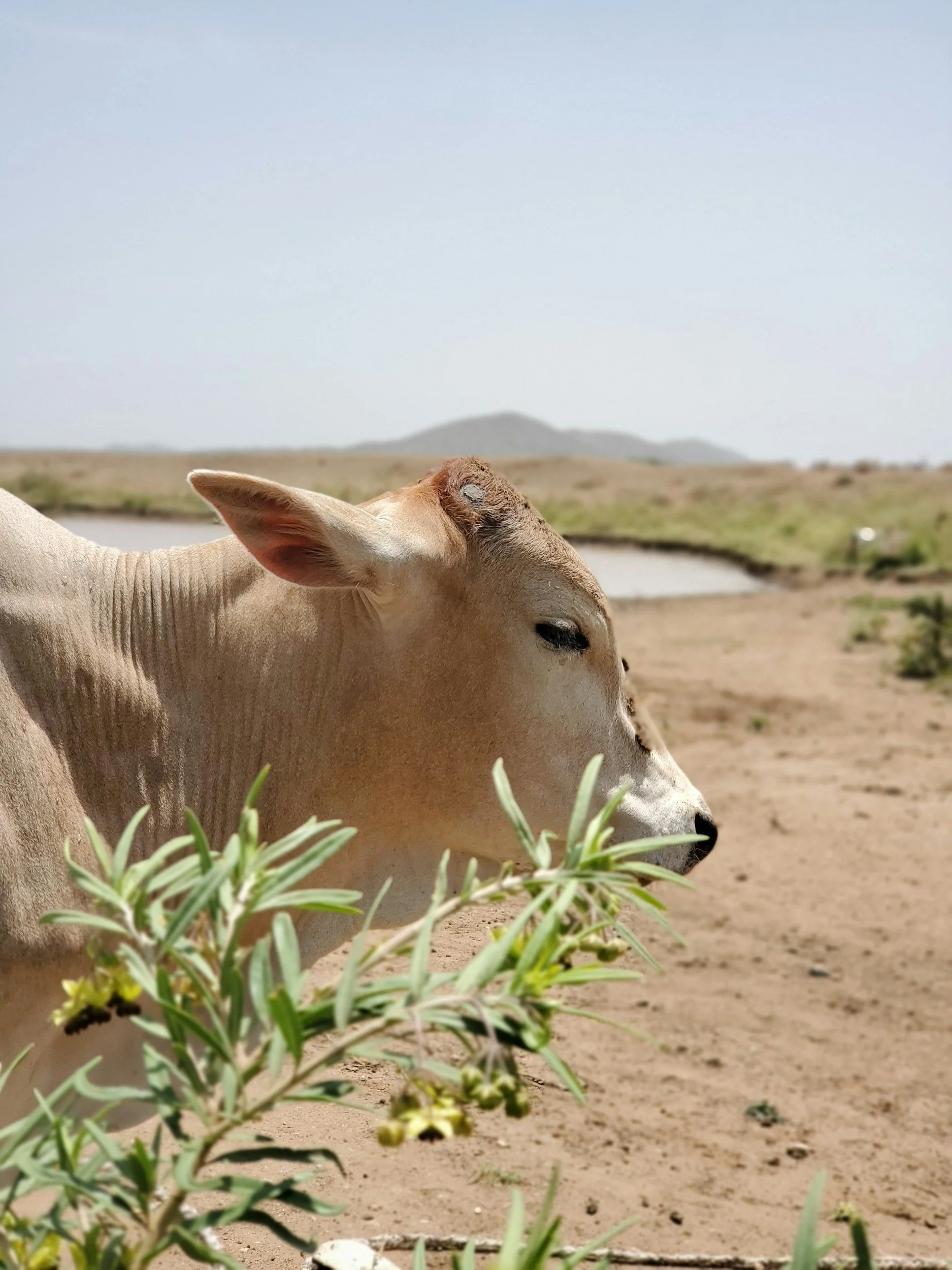
Heatwaves could put millions of European cattle at risk by mid-century
Within the next few decades, intensifying heatwaves could expose a significant share of Europe’s cattle to dangerous levels of heat stress. New research maps where and how millions of animals may be affected by mid-century.
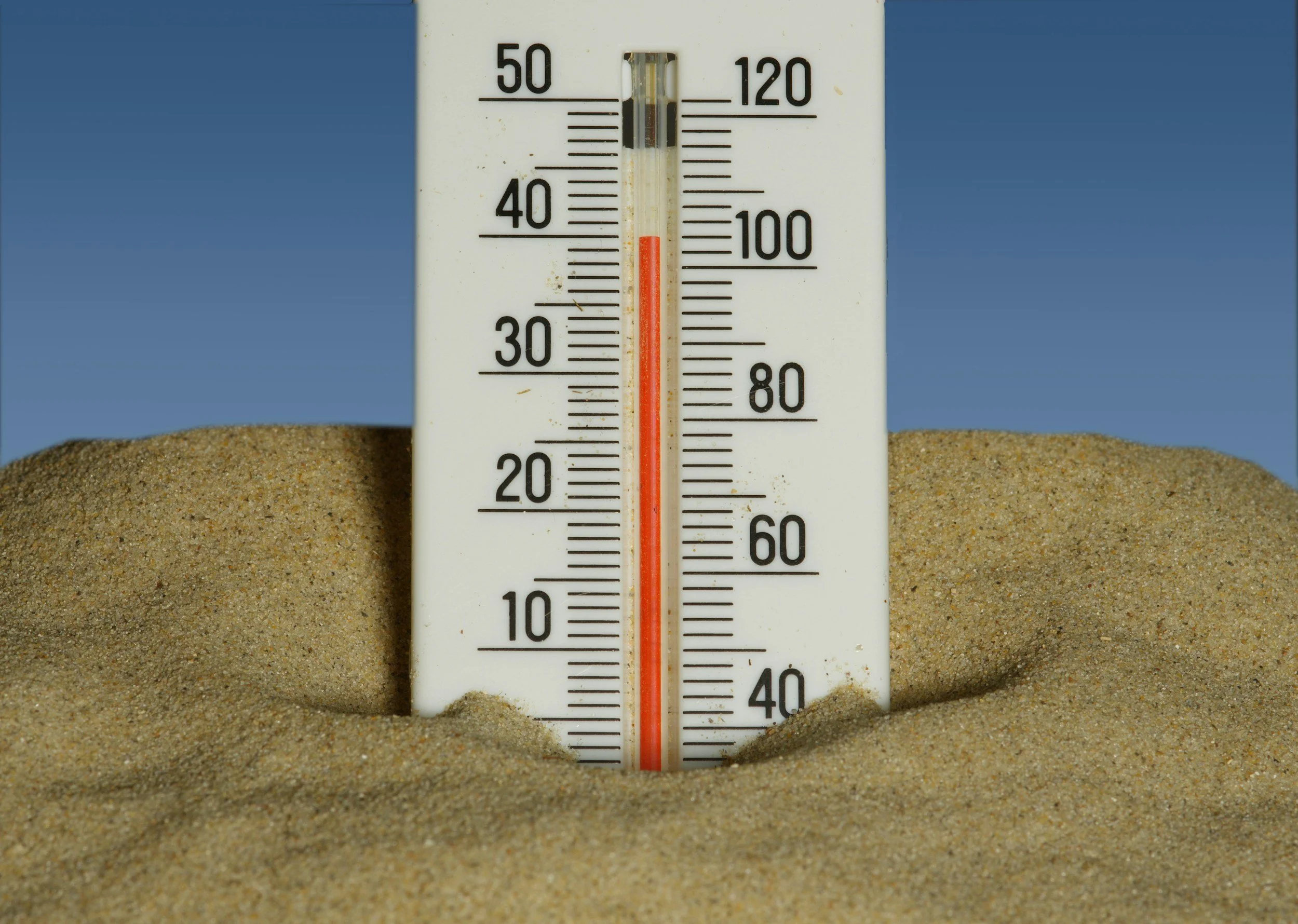
Heatwaves are reshaping the behavior of Western Australia's western ringtail possum
Extreme heat is forcing Western Australia’s critically endangered western ringtail possum (Ngwayir) to cut back on vital activity and feeding, new research shows.