



Zoetis Brings Learning, Fun, and Collectibles to WVC Vegas 2026
This year at WVC Vegas, Zoetis is making sure veterinary professionals don’t miss a moment, both in learning and in fun. As the #1 provider of CE at WVC, Zoetis offers a lineup of interactive experiences designed to educate, engage, and reward attendees.

Coronoid Process Sclerosis: A Heritable Marker to Reduce Elbow Disease in Labradors
Canine elbow dysplasia (CED) is a major concern for Labrador Retrievers, especially in assistance dog programs, where elbow health can determine whether a dog completes training. Despite decades of selective breeding, progress in reducing CED prevalence has been slow. One challenge is that many programs rely on standard radiographs, which are less precise than computed tomography (CT) for detecting subtle joint changes.
Sharp Rise in Livestock Antibiotic Use Raises Alarms for Human Health
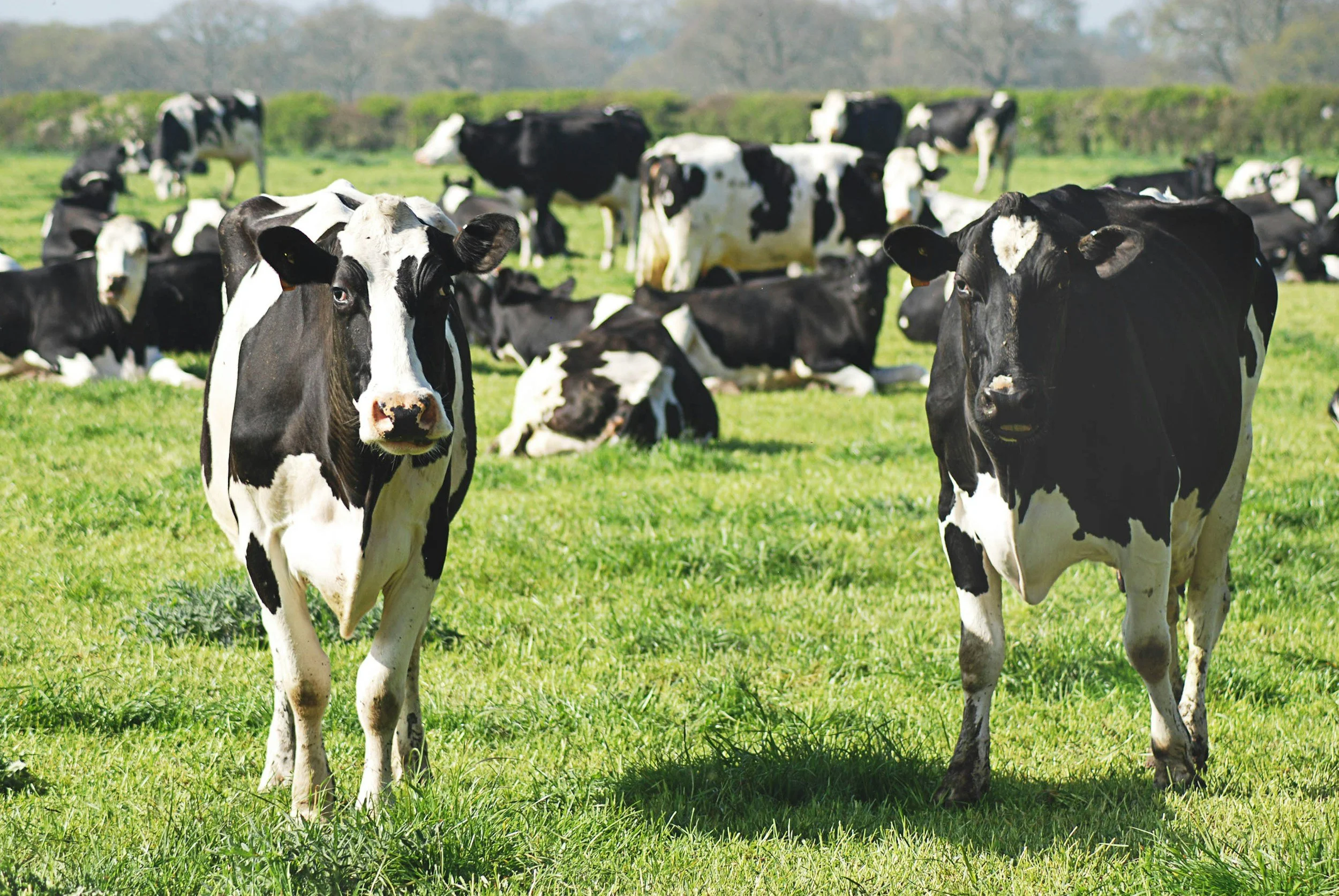
The use of medically important antibiotics in livestock surged in 2024, sparking concern among veterinarians, public health experts, and animal welfare advocates. Medically important antibiotics are those essential for treating infections in people, and overuse in animals can accelerate the development of drug-resistant bacteria, potentially making life-saving medicines less effective in humans.
Deadly to amphibians, a fungal strain emerged in Brazil and spread around the world
The chytrid fungus (Batrachochytrium dendrobatidis), or Bd for short, is considered one of the causes of the worldwide decline in amphibian populations. In recent years, researchers have identified different genetic strains of the fungus that causes chytridiomycosis in various parts of the world. This has already led to the decline of at least 500 species of anuran amphibians, including toads and frogs.
Texas A&M research team identifies species of brucellosis-causing bacteria in Cameroon
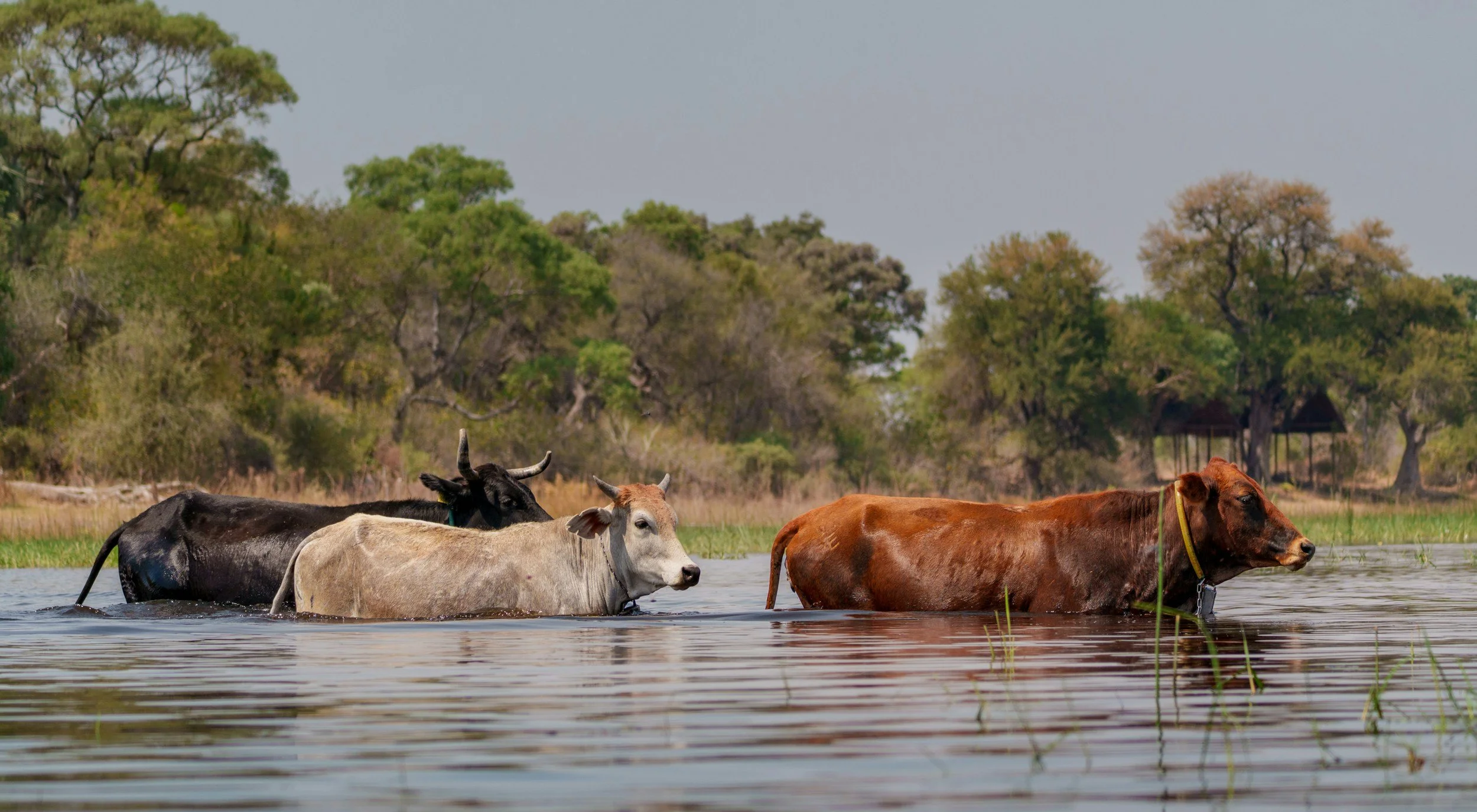
As part of its ongoing efforts to combat brucellosis, a serious and often neglected disease endemic to many low- and middle-income countries around the world, a team of researchers from the Texas A&M College of Veterinary Medicine and Biomedical Sciences (VMBS) has identified the specific species of the Brucella bacteria that causes illness in animals in Cameroon.

Three Ways Synthetic Biology Could Help Fight Disease and Prevent Extinction
Now, a rapidly advancing field known as synthetic biology may offer new tools to confront not only the chestnut blight, but also wildlife disease, habitat degradation, and even human illnesses such as malaria.