



The Gut-Brain Connection: A New Frontier in Canine Epilepsy Management
For years, canine epilepsy has been one of the most challenging neurological disorders to manage, often leaving veterinarians and pet owners searching for better solutions. But what if the key to controlling seizures lies not just in the brain—but in the gut? Emerging research is uncovering a fascinating link between gut health and neurological function, suggesting that an imbalance in gut microbiota (dysbiosis) could play a significant role in exacerbating epilepsy.

Study Finds No Clinical Benefit to Replacing Needles Before Subcutaneous Vaccination in Dogs
A new randomized clinical trial published in the Journal of the American Veterinary Medical Association examined whether replacing a needle after puncturing a vaccine vial improves comfort for dogs receiving subcutaneous vaccinations. The findings suggest it does not.

Zoetis Plans $590 Million Companion Animal Manufacturing Facility in Georgia
Zoetis, an animal health company focused on pharmaceuticals, vaccines, and diagnostics, has announced plans to build a new manufacturing facility in Douglasville, Georgia. The $590 million project is expected to become operational in 2029.
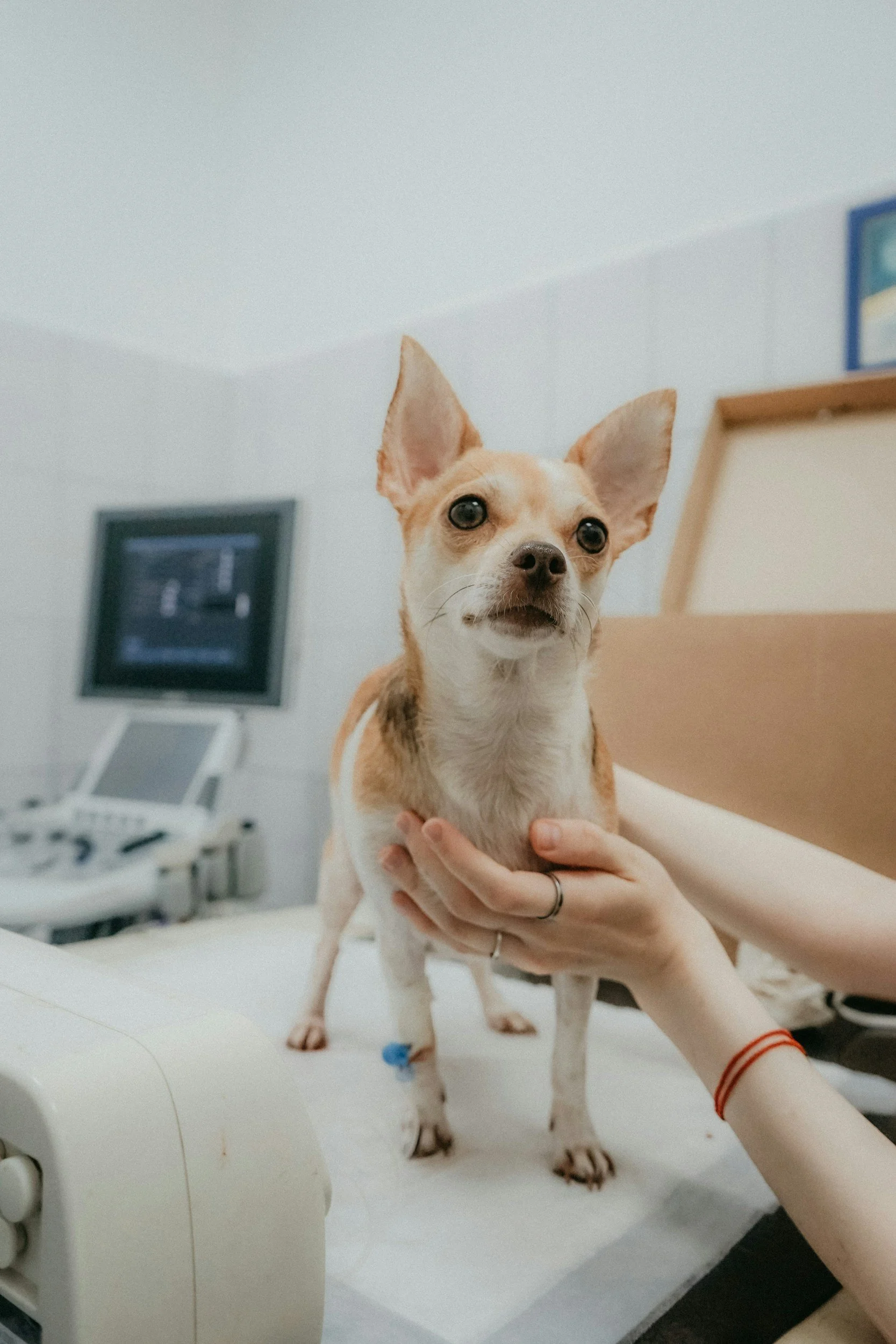
New Diagnostic Tools Aim to Improve Detection of Canine Mast Cell Tumors
Mast cell tumors remain one of the most frequently diagnosed cancers in dogs—and one of the most challenging to identify early. Often appearing as ordinary skin masses, they can be difficult to distinguish from benign lesions without further testing, which can delay diagnosis and treatment decisions.

New Small Dose Oral Bordetella Vaccine Receives USDA Approval
Canine infectious respiratory disease complex, often referred to as kennel cough, remains a common concern in veterinary practice, particularly for dogs that frequent boarding facilities, daycare settings, grooming salons, and group training environments. Bordetella bronchiseptica is one of the primary bacterial pathogens associated with this syndrome and vaccination continues to be a key component of prevention strategies.

This Silent Killer Has a Smell and Dogs Can Find It Before Vets Can
Cancer remains one of the leading causes of death in both people and pets. In dogs alone, studies suggest that up to half will develop cancer during their lifetime. Among the most devastating diagnoses is hemangiosarcoma, an aggressive cancer of blood vessel cells that often goes undetected until it is too late.