


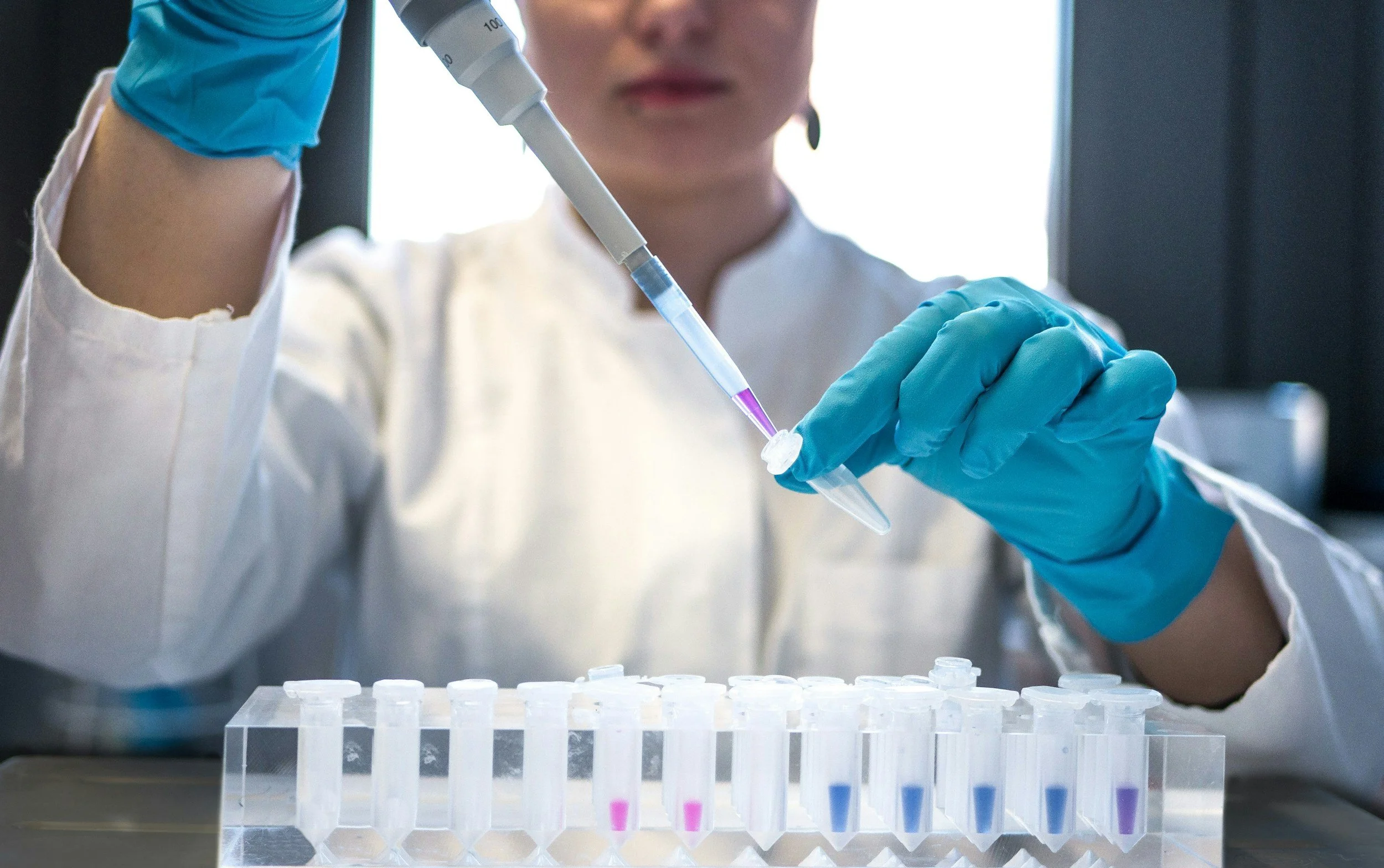
How the parasite that ‘gave up sex’ found more hosts – and why its victory won’t last
Australian researchers have uncovered how a particular strain of a diarrhoea-causing parasite managed to infect more animal species, offering new insights into how parasitic infections emerge and spread to people
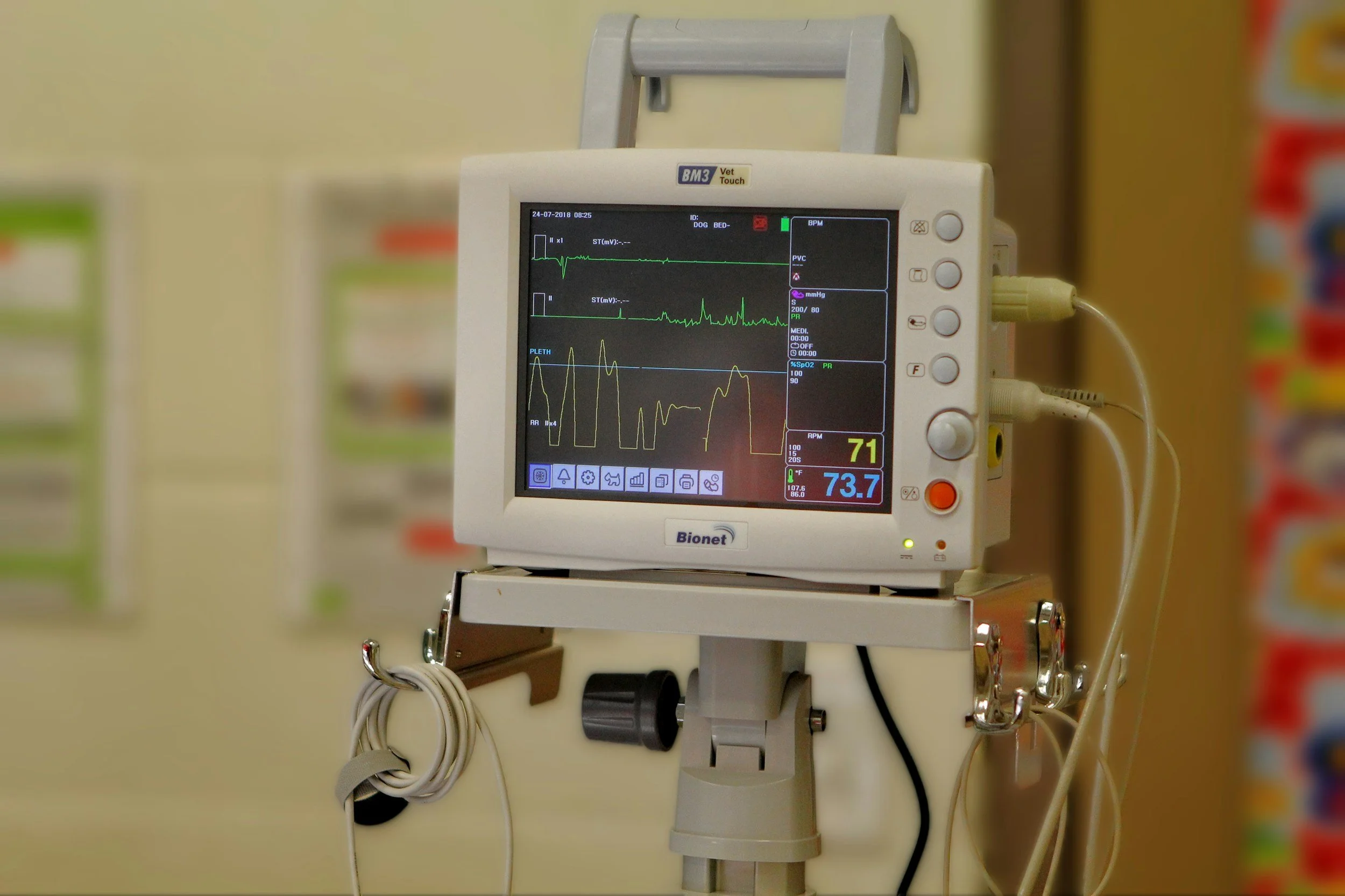
From House Calls to Heartfelt Impact: How a Reno Native Is Rewriting Access to Veterinary Care
Veterinary medicine has no shortage of innovation, but some of the most meaningful change happens when care goes back to basics. One veterinarian. One community. One mission to remove barriers that keep pets from receiving care. That is exactly what is happening in Reno and Sparks, Nevada, with the return of Dr. Stephany Vasquez Perez, DVM.
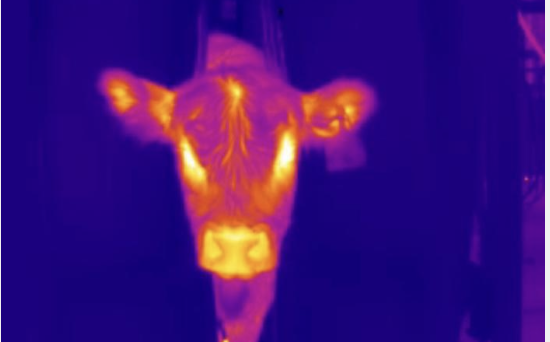
New AI tool can take a cattle’s temperature with only a photo
What if you could look into a cow’s face and know if it had a fever? A new tool from the Artificial Intelligence and Computer Vision Lab at the University of Arkansas uses artificial intelligence and thermal cameras to estimate the body temperature of cattle.

Thermal drone monitoring a promising way to monitor dolphin health
Australia’s beloved dolphin populations face growing pressures from environmental changes and human activity, increasing the need for reliable, accessible and non-invasive tools to monitor their health and support conservation and management.
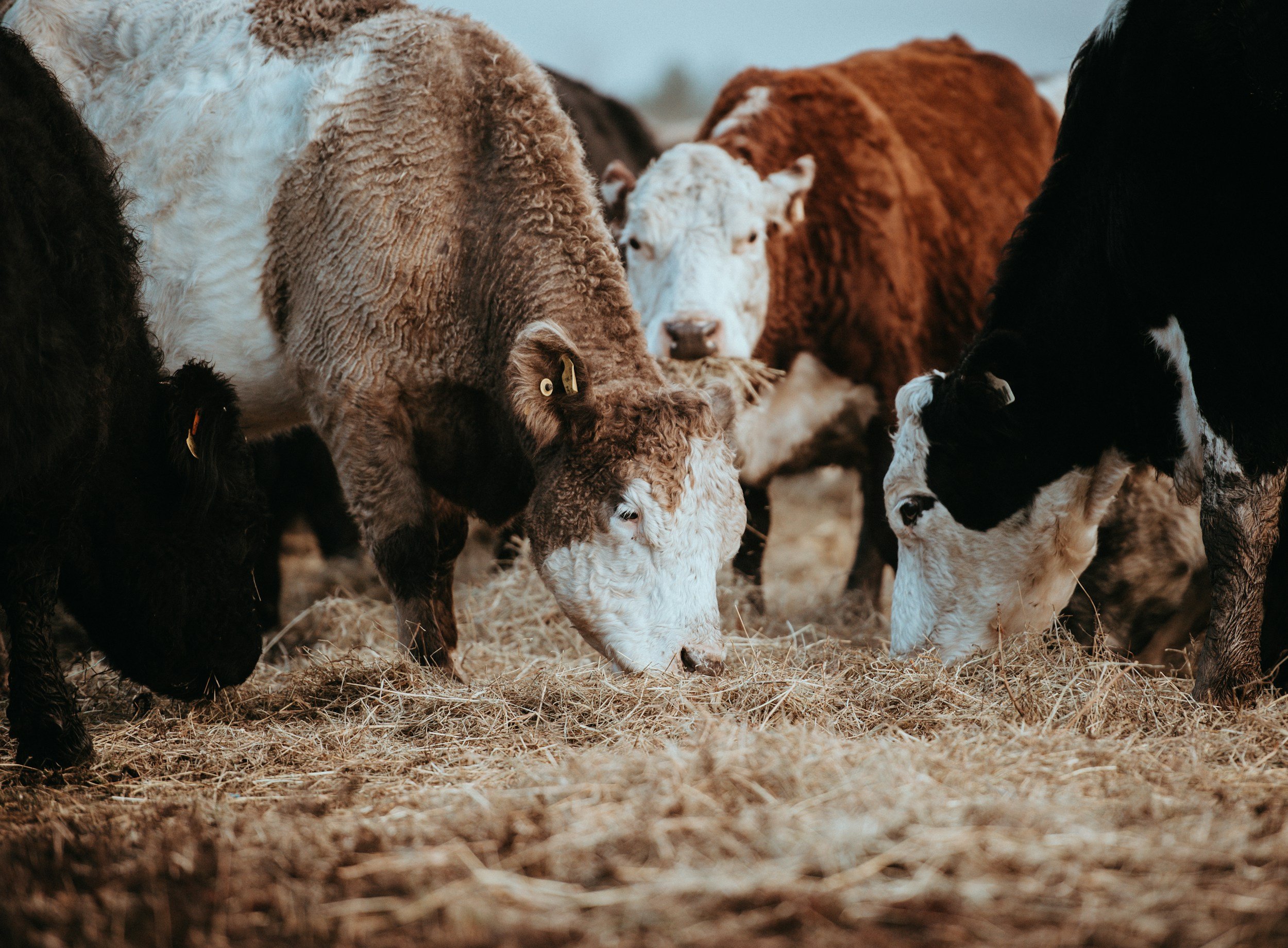
HPAI Shows Up in a Wisconsin Dairy and Vets Need to Pay Attention
Highly pathogenic avian influenza just crossed another headline threshold. The USDA has confirmed HPAI H5 clade 2.3.4.4b in a dairy cattle herd in Wisconsin, marking the first known detection in cattle in that state. For veterinary professionals, this is less about shock value and more about vigilance, biosecurity, and One Health reality checks.
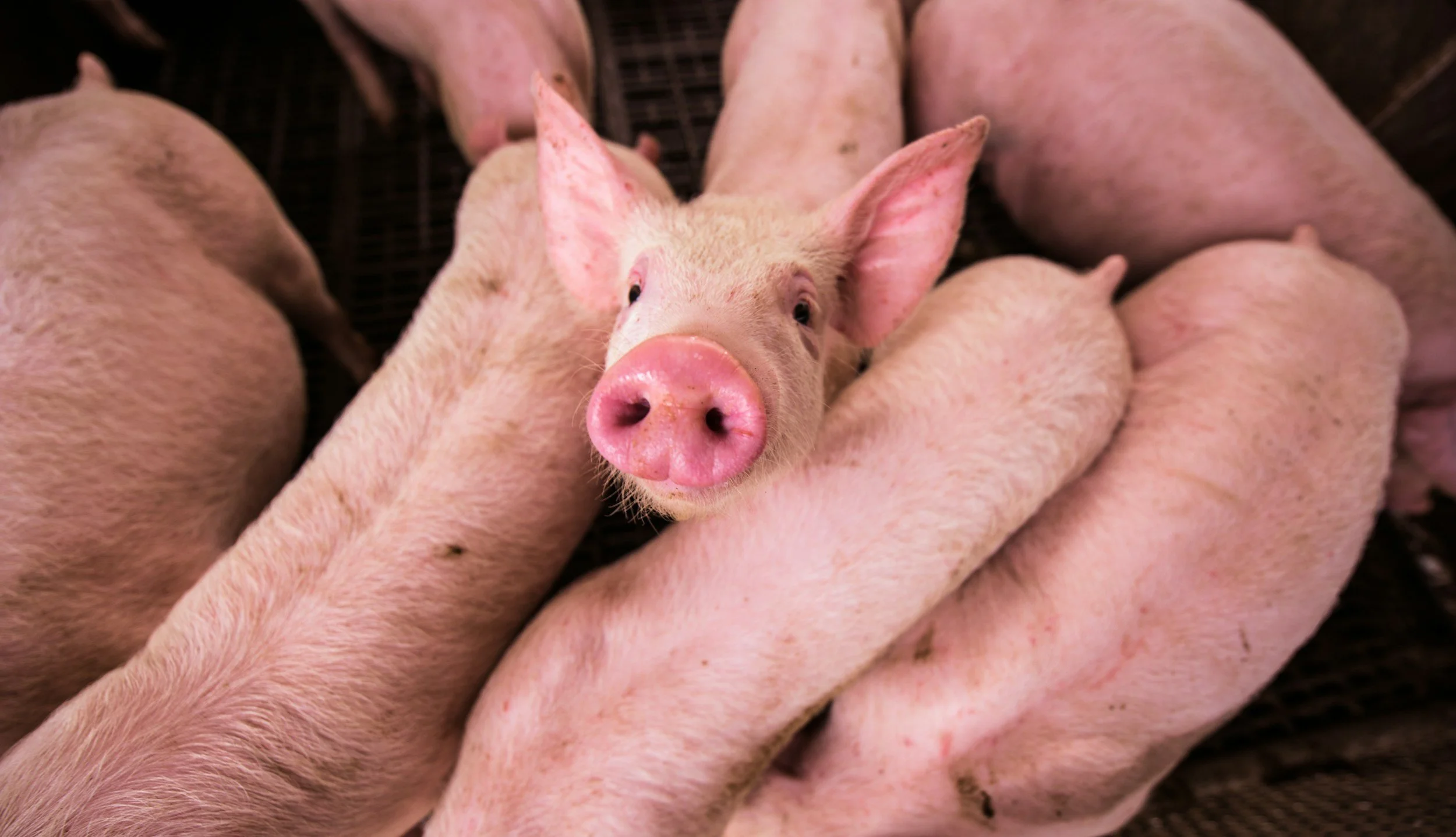
This Cell Surface Protein Just Crashed a Major Pig Virus and It Changes How We Think About Immunity
Porcine epidemic diarrhea virus, better known as PEDV, continues to haunt swine production worldwide. For veterinarians and researchers working in food animal medicine, PEDV is more than a textbook pathogen. It is a virus that devastates neonatal piglets, disrupts supply chains, and keeps biosecurity plans under constant pressure. Now, new research shines a spotlight on an unexpected player in the pig’s innate immune defense system that could reshape how we think about antiviral responses.