


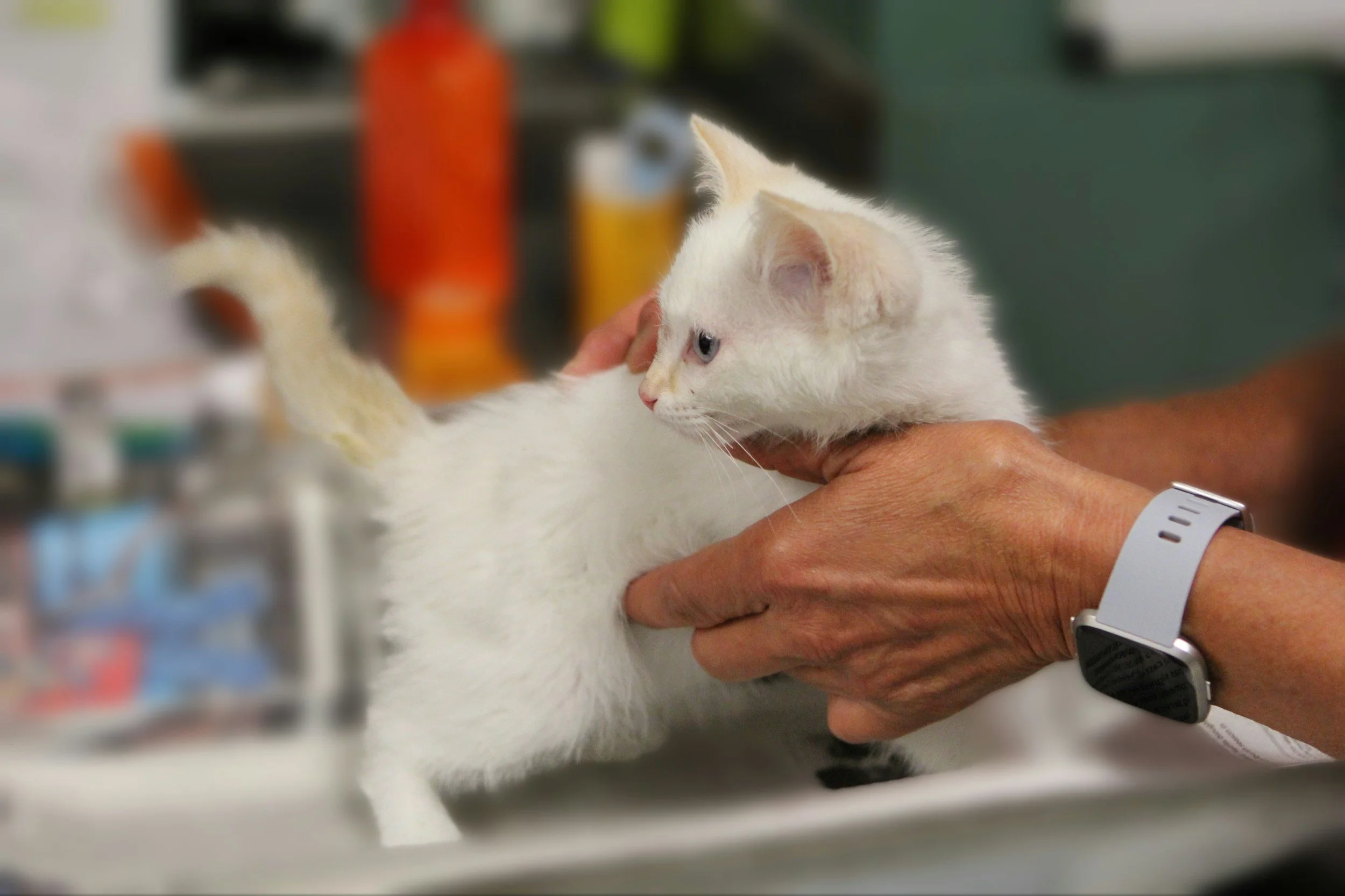
Palliative Chemotherapy Shows Promise for Feline Carcinoma of Unknown Primary
Carcinoma of unknown primary, or CUP, is one of those diagnoses that makes even seasoned veterinary professionals pause. Despite advanced imaging, histopathology, and immunohistochemistry, the original tumor site remains elusive. In human oncology, CUP is relatively common and notoriously challenging, accounting for a notable percentage of new cancer diagnoses and carrying a guarded prognosis. In veterinary medicine, especially in cats, documented cases are few, leaving clinicians with limited guidance and a lot of tough conversations.

Congress Investigates Alleged Abuse and Extreme Work Hours at U.S. Veterinary Schools
Veterinary medicine prides itself on resilience, grit, and service. But a new congressional inquiry is forcing the profession to confront an uncomfortable question. At what point does rigorous training cross the line into systemic abuse?
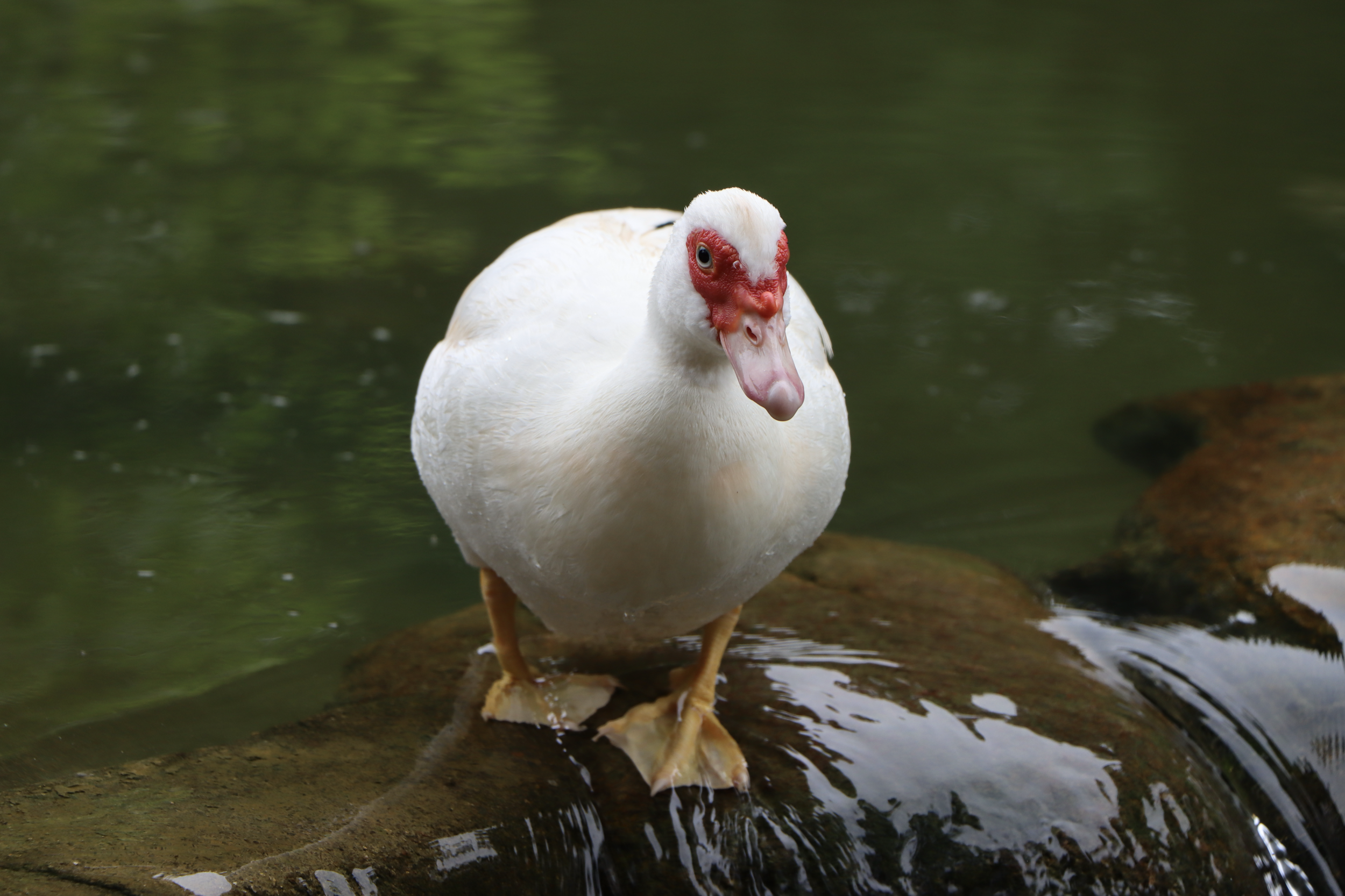
Wildlife Health Alert: Highly Pathogenic Avian Influenza Spreads Across Texas
Highly pathogenic avian influenza is once again making headlines and this time it is widespread across Texas. As migratory waterbirds and waterfowl settle into their wintering grounds, the Texas Parks and Wildlife Department is urging heightened awareness among veterinary professionals, wildlife rehabilitators, and anyone working near birds or susceptible mammals.
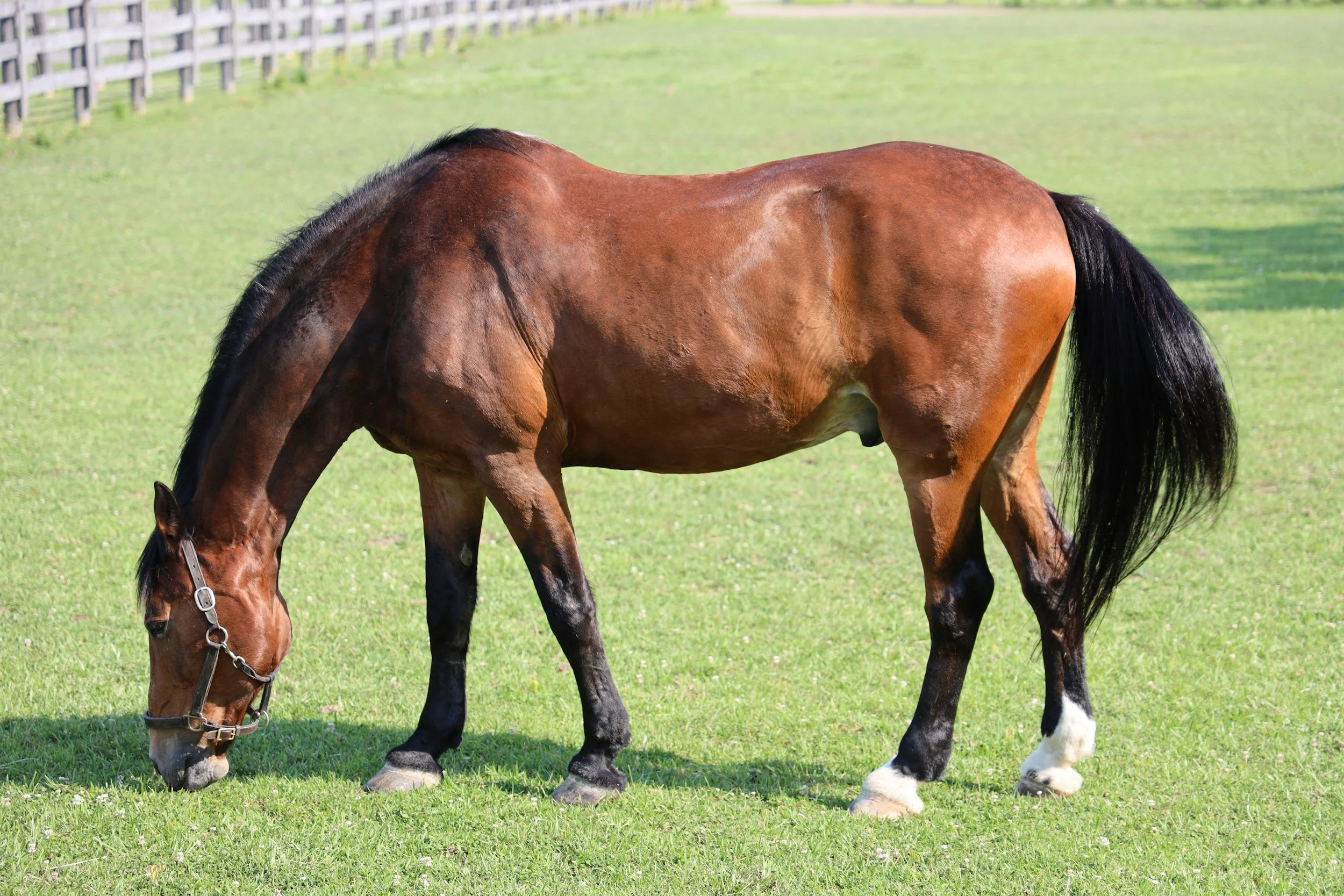
This Neck Surgery Is Changing Equine Neurology and UC Davis Is One of the Few Places Offering It
For horses with unexplained neck pain, nerve related lameness, or puzzling neurologic signs, answers have often been frustratingly out of reach. That is starting to change. UC Davis is now offering equine foraminotomy surgery, one of the most specialized procedures in equine orthopedics and neurosurgery, performed by only about a dozen veterinarians nationwide.
Is This the Missing Virus Behind Mystery Horse Colitis? NC State Researchers May Have Found a Clue
Colitis remains one of the most frustrating and high stakes diagnoses in equine practice. It can escalate fast, dehydrate patients rapidly, and lead to sepsis before clinicians have time to pinpoint a cause. Even more challenging, more than half of equine colitis cases never receive a definitive diagnosis. A new pilot study from North Carolina State University may bring the profession one step closer to solving that mystery.
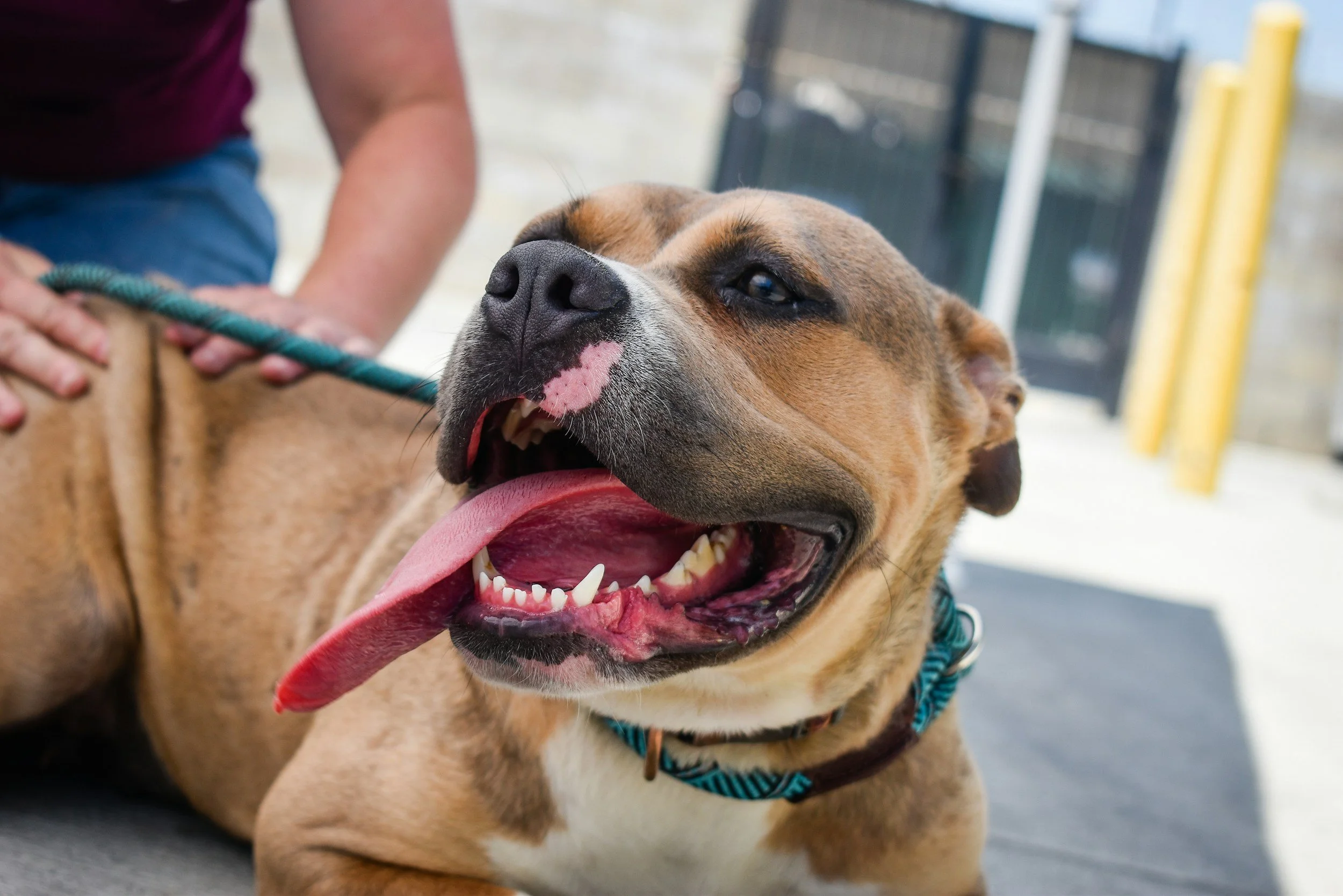
Hill’s Pet Nutrition Reaches 16 Million Shelter Pet Adoptions With Food, Shelter & Love Program
Hill’s Pet Nutrition just hit a milestone that deserves a standing ovation from veterinary professionals everywhere. Its Food, Shelter & Love program has now supported 16 million pet adoptions across North America since launching in 2002. That number is not just impressive. It represents healthier pets, stronger shelters and smoother transitions from kennel to couch.