


The UK’s Competition Watchdog Wants to Rewrite the Rules of Practice Life
When the U.K. Competition and Markets Authority, or CMA, comes knocking, it does not just ask politely. Unlike its U.S. cousins at the FTC or DOJ, the CMA has the power to impose sector-wide rules without waiting for Parliament to sign off. That authority is now squarely focused on veterinary medicine.
Parvo Is Back With a Vengeance: Why Falling Vaccine Rates Are Turning Clinics Into Crisis Zones
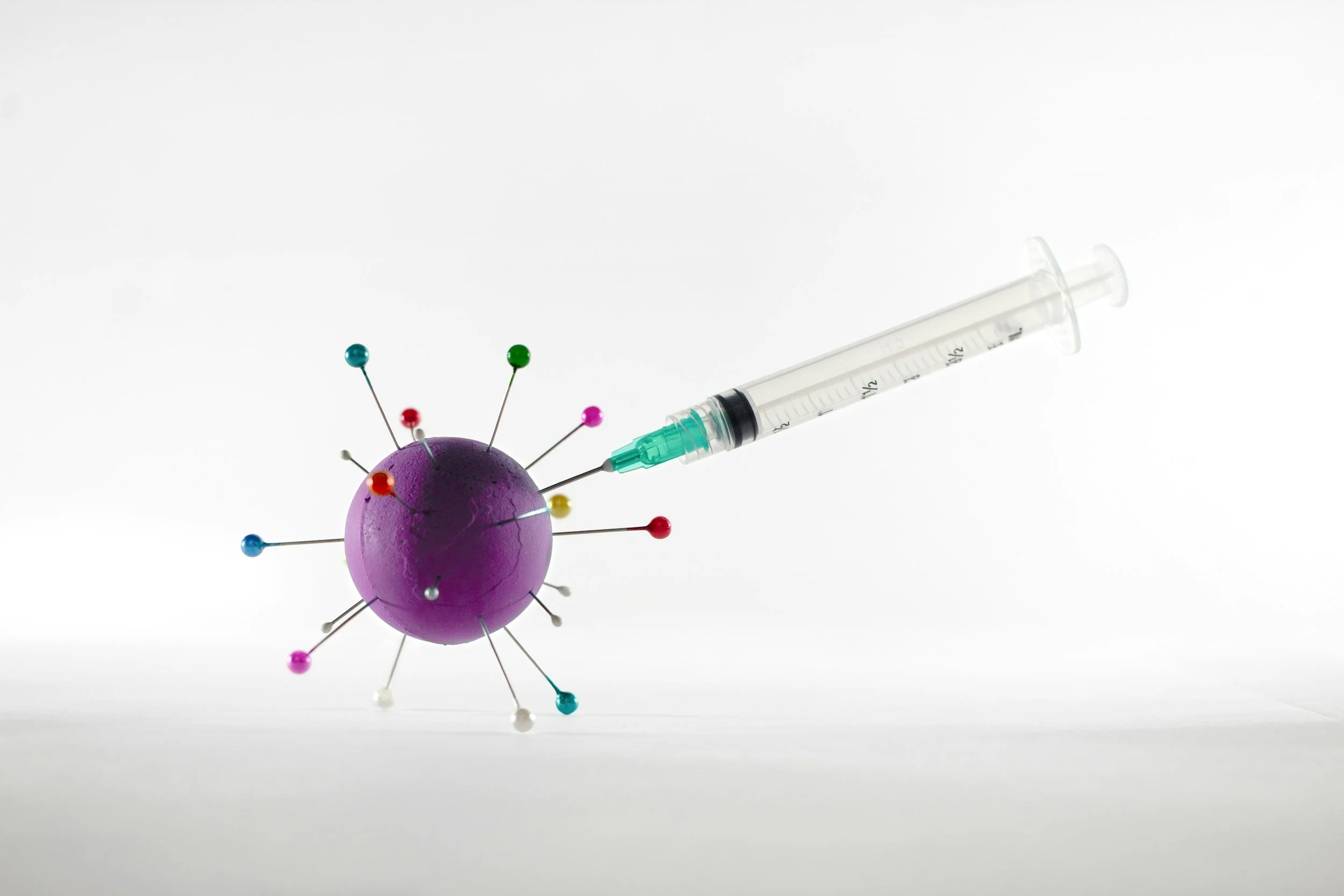
Late last month, veterinary clinics across the Phoenix metro area began sounding the alarm. Canine parvovirus cases surged far beyond seasonal expectations, overwhelming hospitals that were already stretched thin.

ICVA Chief Executive Officer Announces Independent Audit of NAVLE Following Allegations of Bias
Concerns were formally articulated in October through a pre-litigation notice sent by a San Francisco law firm to the American Veterinary Medical Association (AVMA). The notice alleges that the NAVLE may be “potentially anticompetitive, fraudulent, and discriminatory,” citing persistent and unexplained disparities in exam outcomes related to race and ethnicity. The letter specifically references examinees with Hispanic surnames and graduates of Tuskegee University.

50,000 Veterinary Professionals Are Already In. What Are You Waiting For?
Join Vet Candy for free and get exclusive access to RACE approved veterinary CE, a weekly eblast packed with the latest veterinary news and tips, and a magazine that understands veterinarians. Stay informed, engaged, and up-to-date with content designed for busy vets.

New Biomarkers in Acute Kidney Injury
Biomarkers you need to know. Dr. Elan Armstrong & Dr. Shannon Gregoire break down the newest research on acute kidney injury—and how emerging biomarkers could mean earlier detection and better outcomes.
Plants to the Rescue? Common Phenolic Acids Give Old Antibiotics a Second Life Against Superbugs
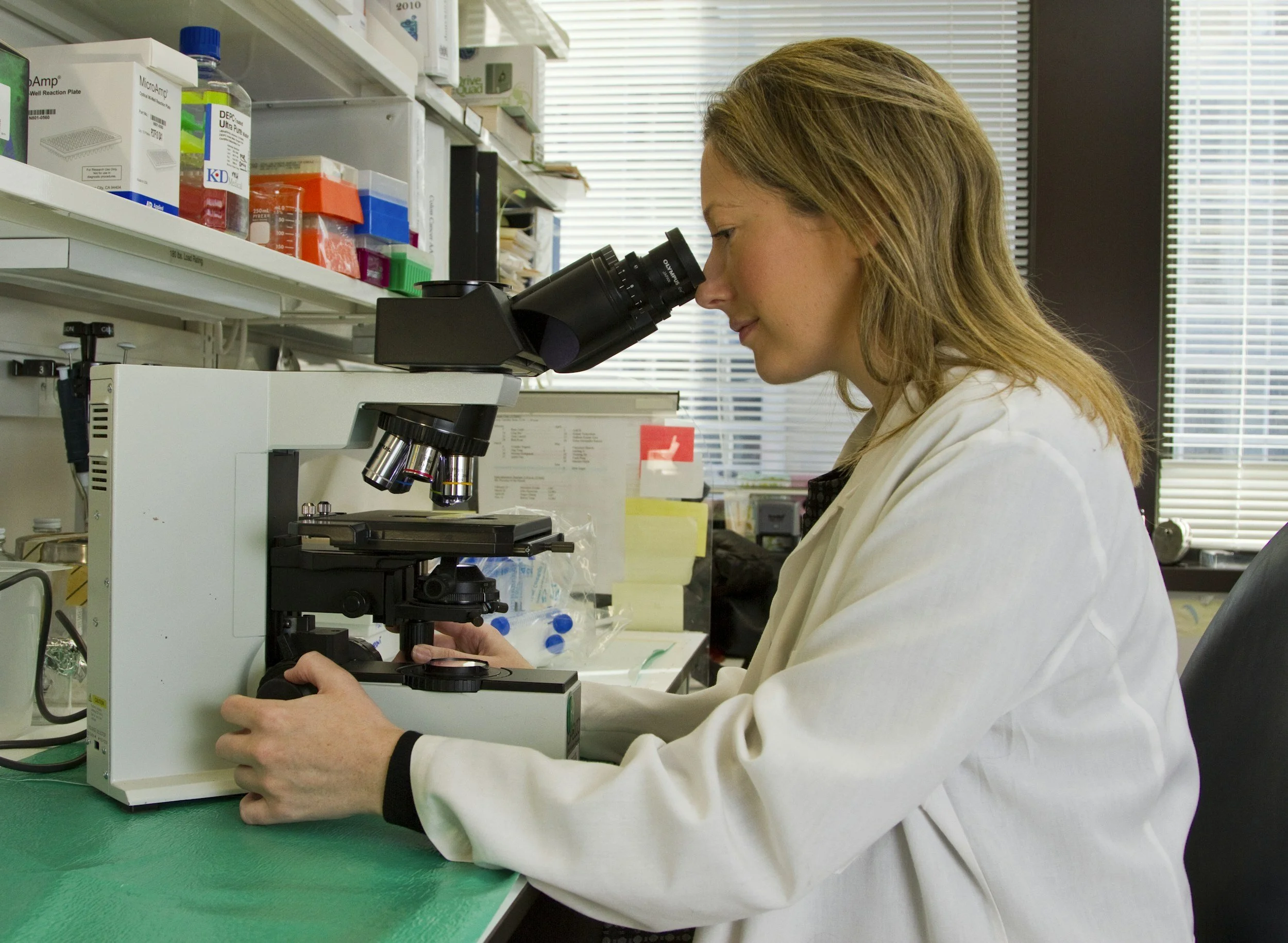
Antimicrobial resistance is the ultimate buzzkill in veterinary medicine. Multidrug resistant E. coli keeps showing up in clinics, barns, and labs, while the antibiotic pipeline looks more like a slow drip than a flood. Now, new research suggests help may be hiding in plain sight, inside everyday plant compounds that can supercharge antibiotics we already use.