


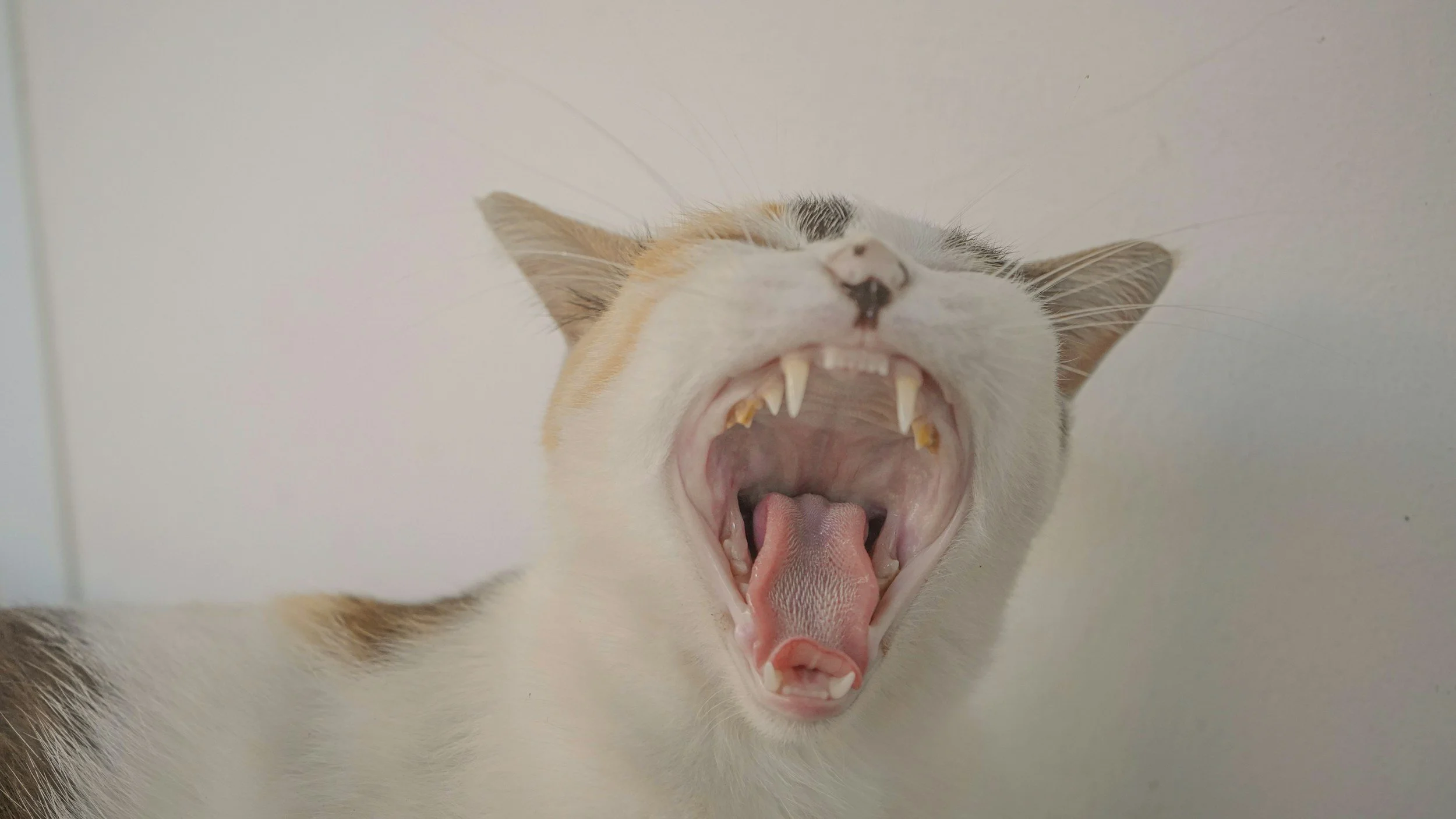
Your Cat’s Mouth Is a Crime Scene: What the 2025 FelineVMA Dental Guidelines Mean for Everyday Practice
If you work in feline medicine, you already know the truth. Oral disease is not a niche problem in cats. It is the rule rather than the exception. The 2025 FelineVMA feline oral health and dental care guidelines take that reality head on and translate it into practical, evidence guided recommendations for general practice. For veterinary professionals juggling full schedules, anxious cats, and increasingly informed clients, these guidelines are a timely reset on what high quality feline dentistry should look like.
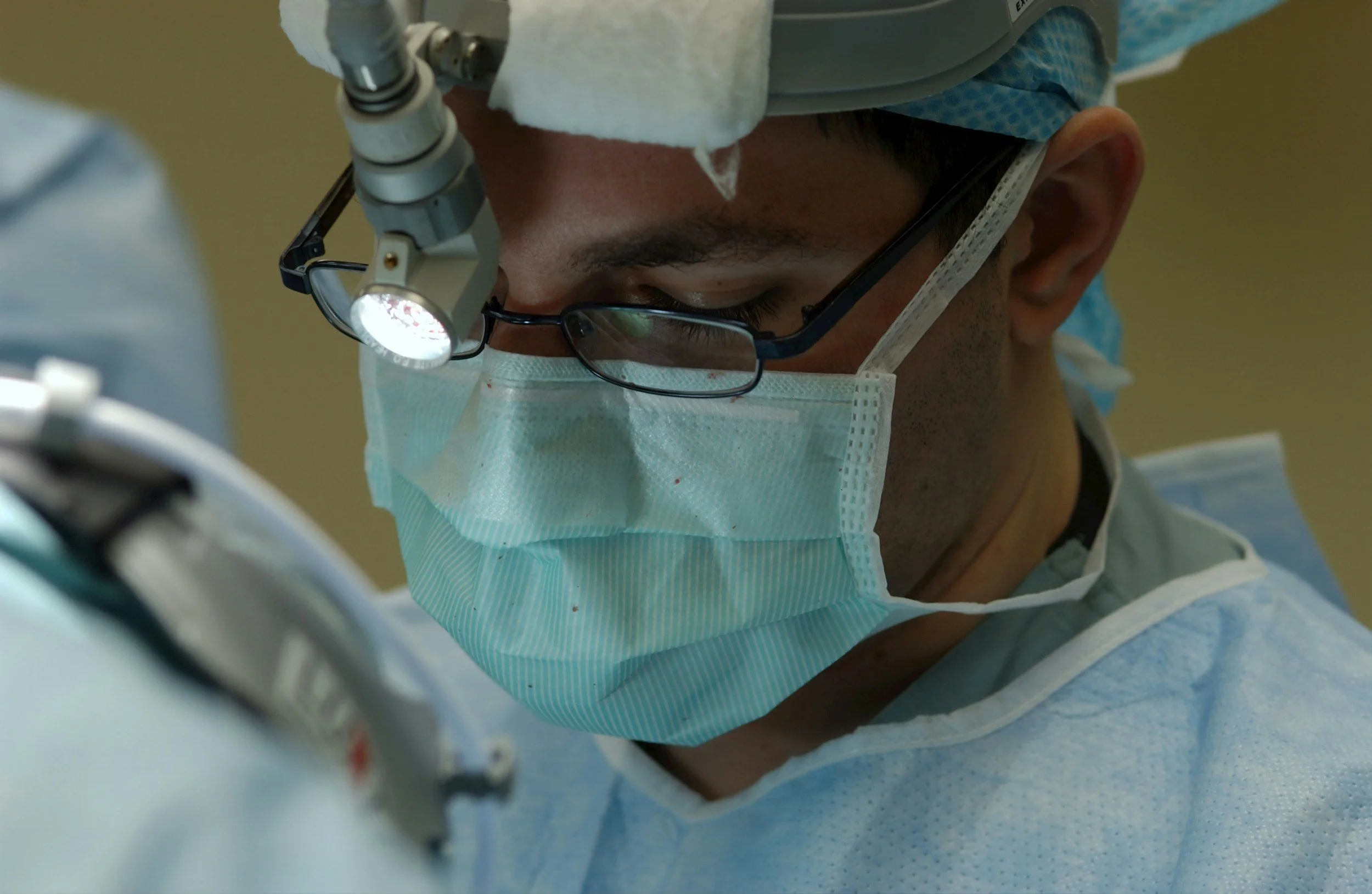
Cats Have Way More GI Tumors Than Dogs? What a National Cancer Database Just Revealed
Gastrointestinal disease is one of the most common reasons pets present to veterinary clinics. Vomiting, diarrhea, weight loss, and anemia are everyday complaints, yet behind these familiar signs can be some of the most challenging cancers we diagnose. A new comparative epidemiological study from Portugal sheds light on how tumors of the digestive system differ between dogs and cats, and the results reinforce something clinicians already sense in practice. These species are not playing the same oncologic game.

The CE That Actually Energizes You: Why Engagement Matters
RACE approved continuing education credits online for free. Vet Candy CE offers flexible, engaging courses for busy veterinarians, including clinical updates, practice management, and professional development, all recognized by state veterinary boards.

Justice Department Reaffirms Veterinary Accreditation Standards and Procedures Are Subject to Antitrust Scrutiny
Today, the Justice Department filed a statement of interest in a private lawsuit challenging accreditation standards and procedures employed by the American Veterinary Medical Association (AVMA). The statement of interest explains that professional accreditation societies, like the AVMA, cannot erect anticompetitive hurdles that reduce competition by restricting the number of veterinary providers entering the profession.
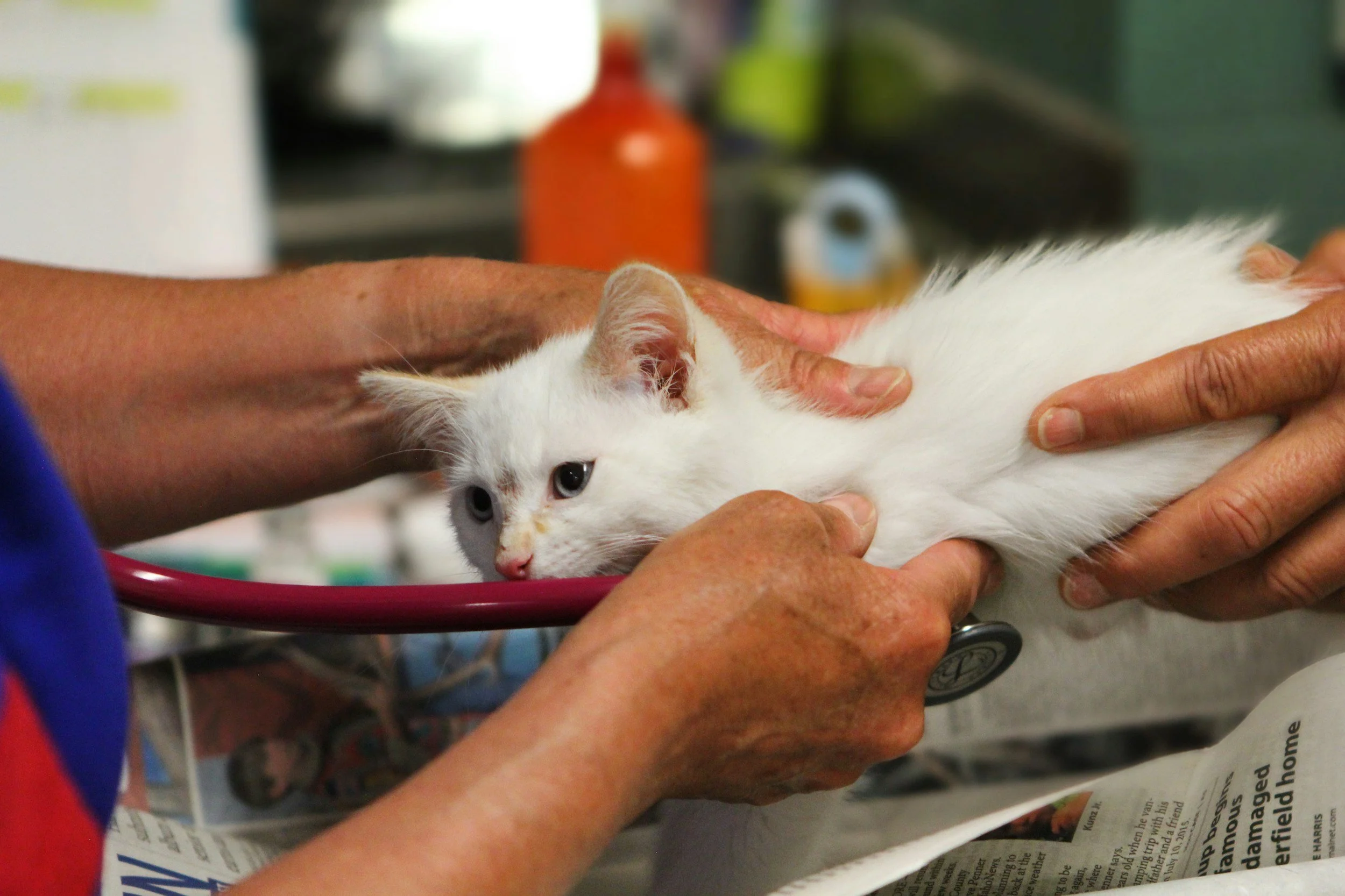
When a Bladder Tumor Becomes a Bleeder: The Cat That Crashed and How Endoscopic Intervention Saved the Day
Urothelial cell carcinoma of the bladder is a diagnosis most veterinary professionals associate with dogs and chronic lower urinary tract signs. In cats, it is far less common and often flies under the radar until it becomes impossible to ignore. This case highlights a dramatic and life threatening presentation of feline urothelial cell carcinoma that progressed from hematuria to hypovolemic shock, and it underscores how minimally invasive interventions can be both lifesaving and surprisingly durable.
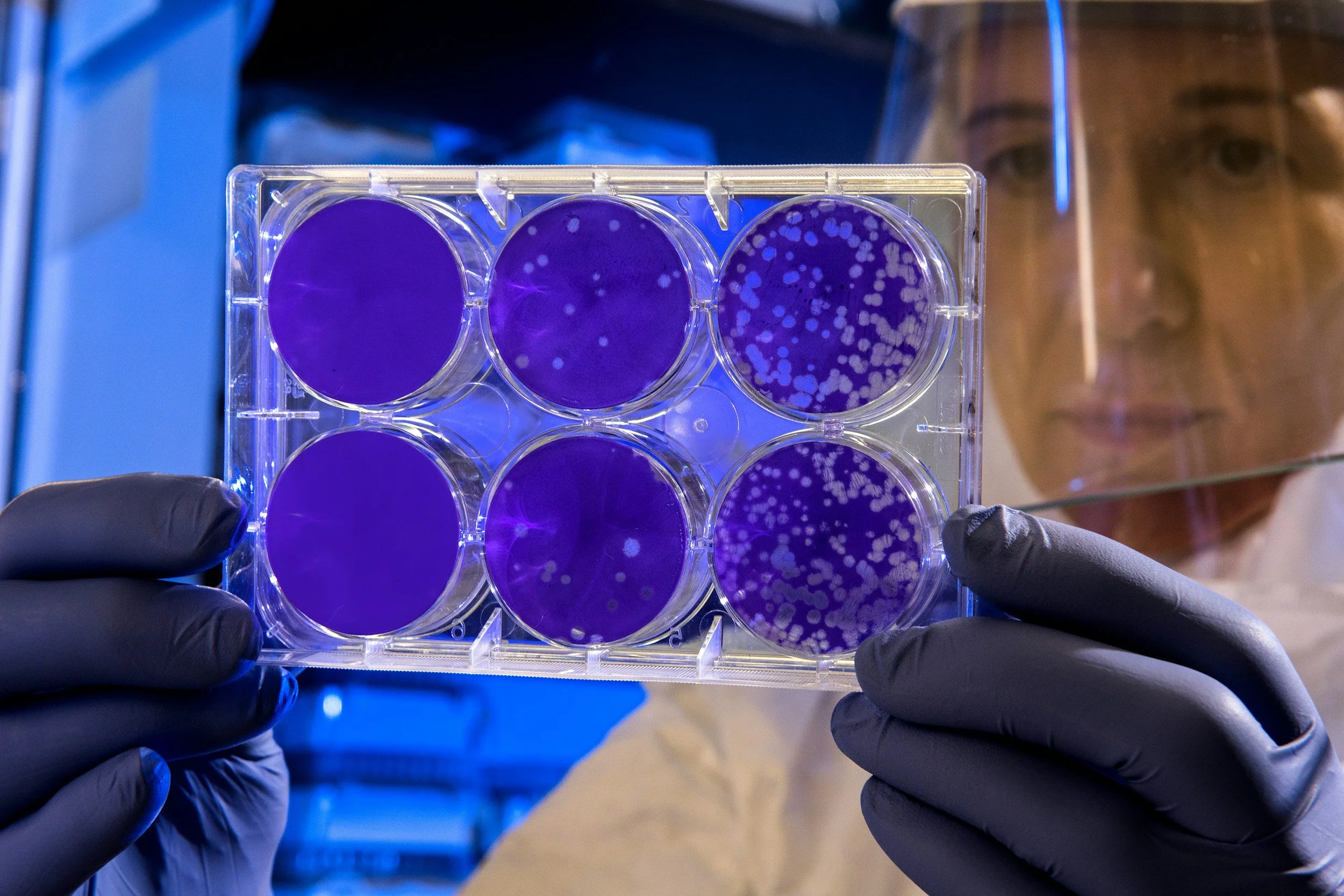
From Couch to Clinic: Are Cats and Dogs the Next Influenza Wildcards?
For decades, influenza A virus research focused on birds, pigs, and people. Since the early 2000s, cats and dogs have quietly entered the conversation. Canine influenza viruses established themselves as stable lineages, and highly pathogenic avian influenza viruses have been increasingly detected in cats. For veterinary professionals, this shift matters. Companion animals sit squarely at the human animal interface, sharing homes, airspace, and sometimes food with people. That proximity creates opportunities for viral adaptation that were not seriously considered a generation ago.