


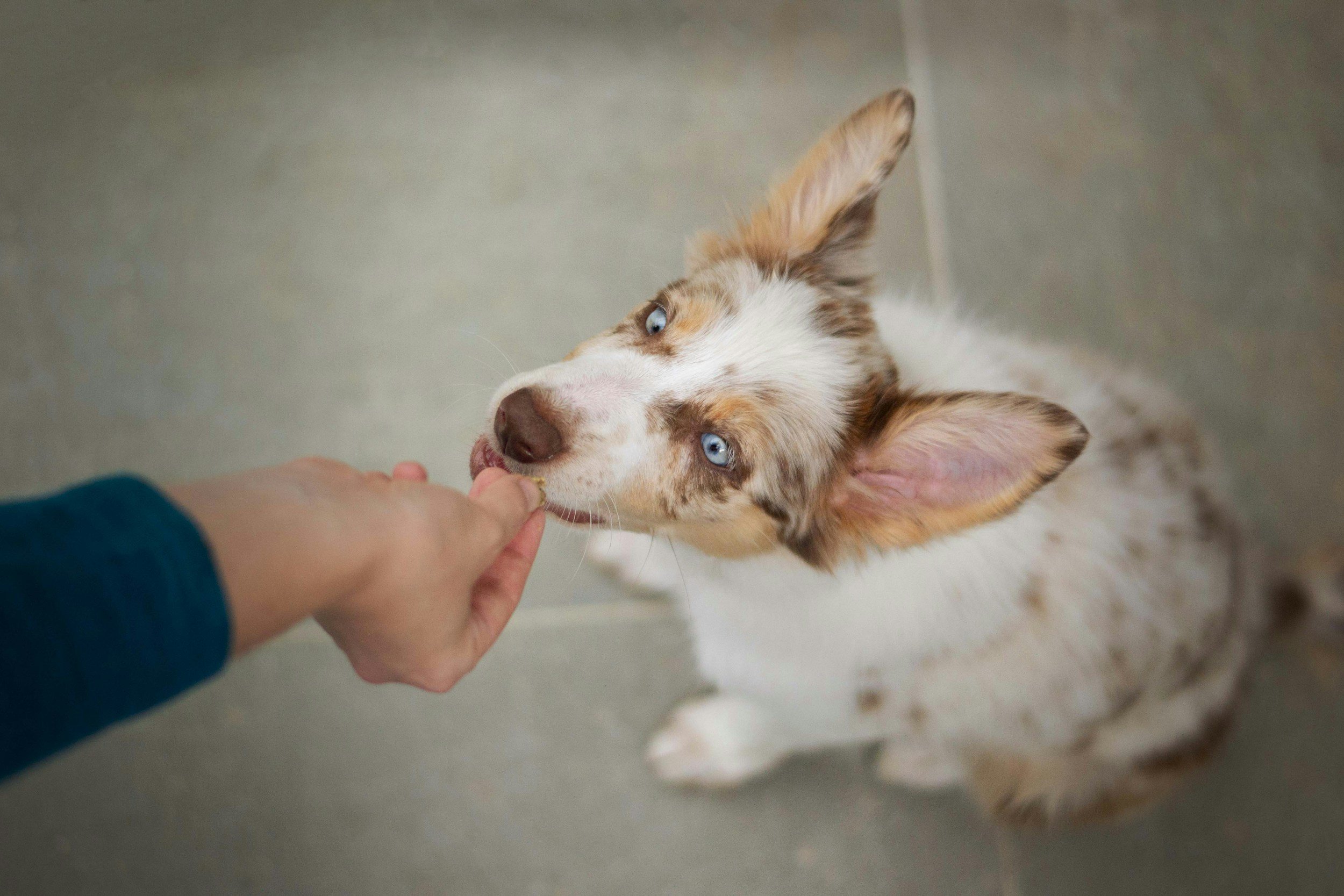
Simparica Trio Proves Highly Effective at Preventing Tapeworm Infection by Eliminating Fleas
When clients ask about the best way to prevent tapeworms in their dogs, the answer has always been straightforward: control fleas. Now, two laboratory studies provide concrete evidence that Simparica Trio® delivers on that promise, preventing Dipylidium caninum infection for a full month through its rapid and sustained flea-killing activity.

Spanish-Speaking Veterinarians Now Have a Validated Tool to Assess Quality of Life in Dogs with Cancer
For veterinarians treating dogs with cancer in Spanish-speaking countries, assessing quality of life has long presented a challenge: while multiple assessment tools exist in English, none had been properly validated for Spanish-speaking populations. A new study published recently changes that, providing the first rigorously validated Spanish version of the Canine Owner-Reported Quality of Life (CORQ) questionnaire.
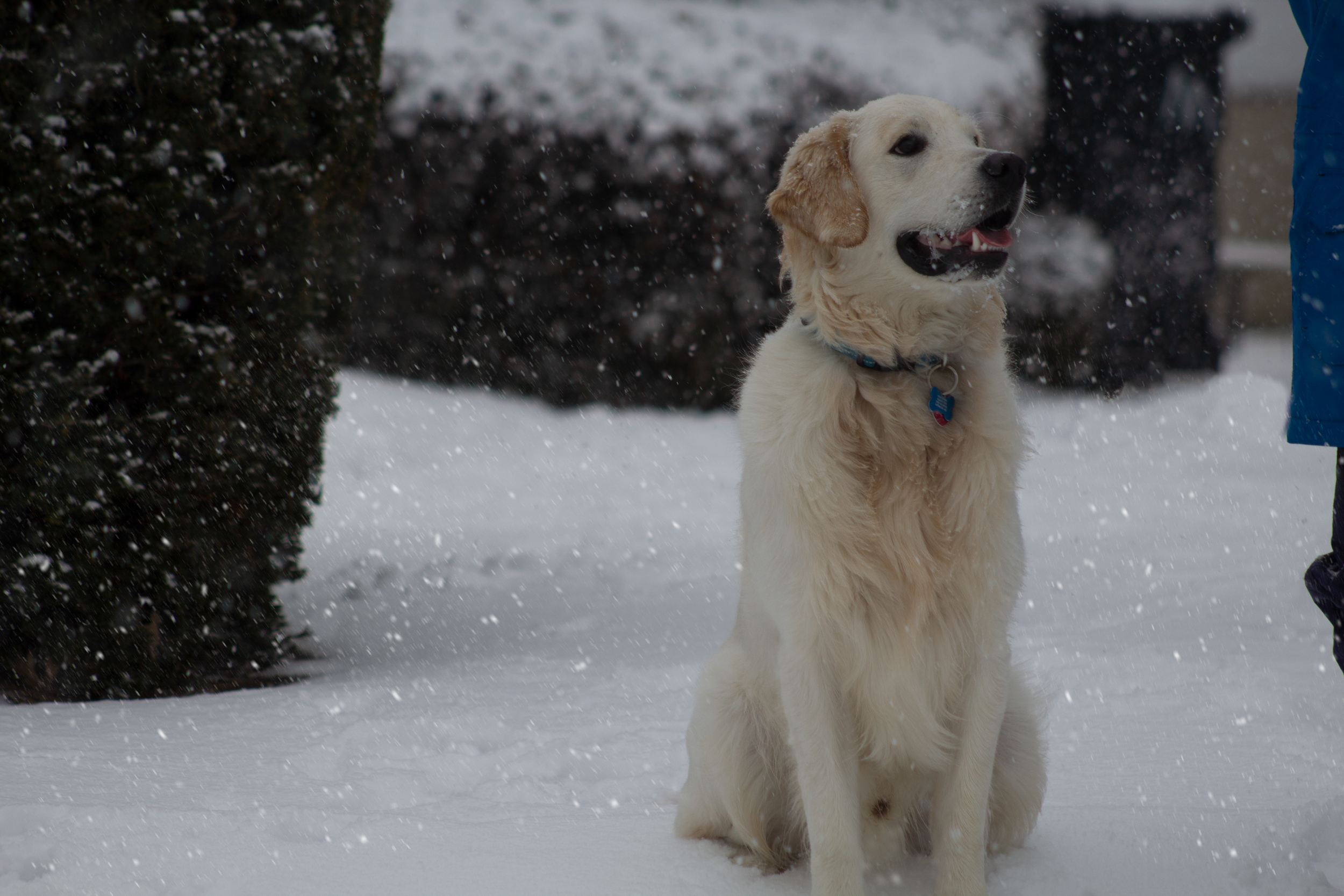
Golden retriever and human behaviors are driven by same genes
The research, published today in the Proceedings of the National Academy of Sciences, is the first to show that specific genes linked to canine behaviour are also associated with traits like anxiety, depression, and intelligence in people.
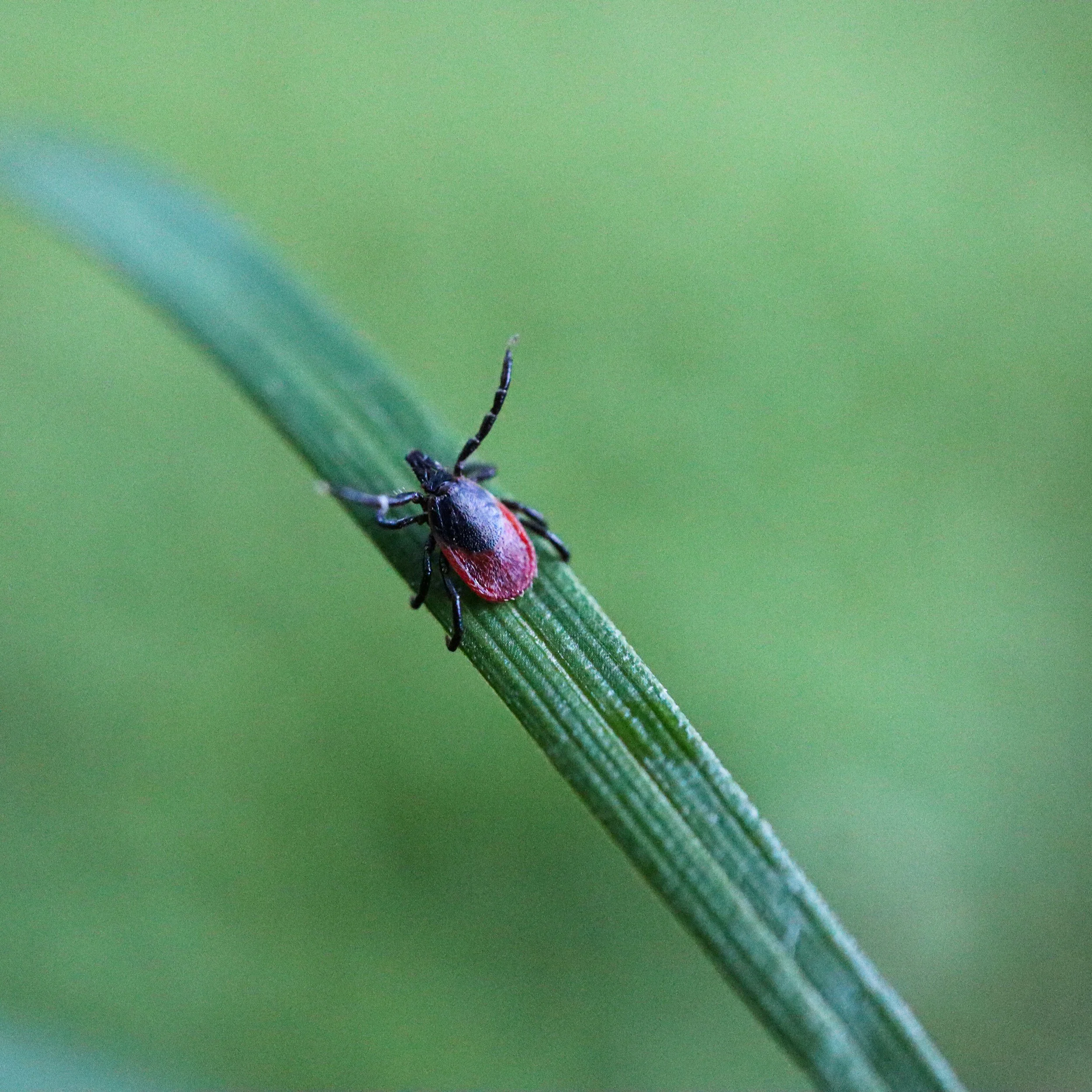
Researchers confirm new rickettsia species found in dogs
Researchers from North Carolina State University have confirmed that a species of Rickettsia first seen in dogs in 2018 is a new species of bacteria. The new species, dubbed Rickettsia finnyi, is associated with symptoms similar to those of Rocky Mountain spotted fever (RMSF) in dogs, but has not yet been found in humans.

Kidney lesions discovered in Calgary’s urban jackrabbits
A veterinary researcher studying Calgary’s urban wildlife has uncovered a surprising health anomaly in the city’s jackrabbits (Lepus townsendii). In a recent study examining 130 jackrabbits found near city roadways, Dr. Jamie Rothenburger, wildlife veterinary pathologist and assistant professor in the Faculty of Veterinary Medicine (UCVM) at the University of Calgary, identified renal hamartomas—benign, tumor-like kidney growths—in six per cent of the animals.

WSU’s Good Samaritan Fund Helps Injured Pitbull Recover After Rollover Accident
After a rollover accident left her dog severely injured and her savings nearly exhausted from mounting veterinary costs, Stacy Nichols of Cheney, Washington, feared she might lose her longtime companion, a 10-year-old pitbull mix named Penny. A referral to Washington State University’s Veterinary Teaching Hospital and support from the university’s Good Samaritan Fund changed the outcome.