



Itch or Miss: Dermatology Showdown on Brainsmarts with Dr. Christina Gentry
Veterinary dermatology just got a challenge twist! In the latest episode of Brainsmarts, we put Dr. Christina Gentry, DVM, DACVD, Clinical Assistant Professor of Dermatology at Texas A&M, to the ultimate vet news FOMO test. Known for her dynamic teaching style and sharp clinical insight, Dr. Gentry faced off in a fast-paced, trivia-style showdown that had everyone on the edge of their seats.

Digitail Raises $23M USD Series B Led by Five Elms Capital
Digitail, a leading provider of AI-powered practice management software for veterinary clinics, today announced a $23 million USD Series B investment led by Five Elms Capitalwith participation from existing investors Atomico, Partech, Byfounders, Gradient, and others. This investment will accelerate Digitail's expansion across the veterinary industry and further advance its AI capabilities for both veterinarians and pet parents.

University of Arizona draws one of nation's largest applicant pools
More than 2,500 prospective students sought a spot in the University of Arizona College of Veterinary Medicine's incoming class, placing it among the most competitive programs in the nation.

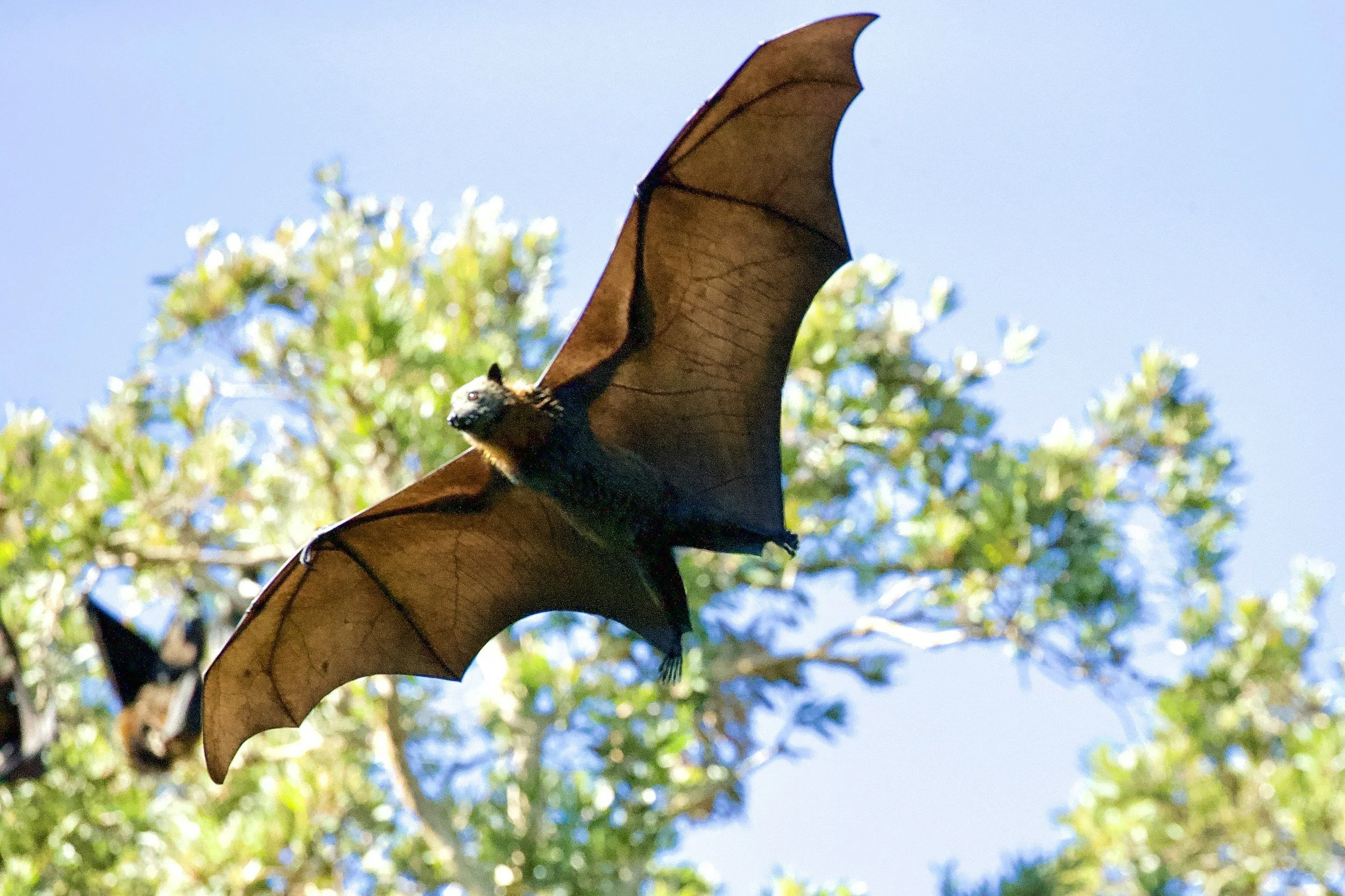
New study reveals not all bats carry equal viral risk
A groundbreaking study published in Nature’s Communications Biology sheds new light on the relationship between bats and dangerous viruses. Led by researchers at the University of Oklahoma, the study shows that contrary to widespread assumptions, not all bats carry viruses with high epidemic potential, only specific groups of species.
Rabies in Peru highlights global threats of health inequity
Insight into what Peru’s second-largest city may be missing in its efforts to track rabies could provide insight to the rest of the world on a disease that still kills 70,000 people per year. A team led by researchers from the Perelman School of Medicine at the University of Pennsylvania found that efforts to track dog-related rabies in poorer areas were lacking even though more dogs were found to have the disease there than in wealthier neighborhoods.