



From Oceans to Outback: Denmark’s Vet Student Making Waves in Wildlife and Marine Conservation
Meet Denmark’s fifth-year veterinary student who’s rewriting what it means to study medicine for animals, all while exploring the world. If Cirkeline Olsen’s Instagram feed doesn’t convince you she’s living a double life as both a vet-in-training and full-time adventurer, her stories will: think diving with marine life by day, studying complex animal physiology by night, and sharing her journey with thousands online.
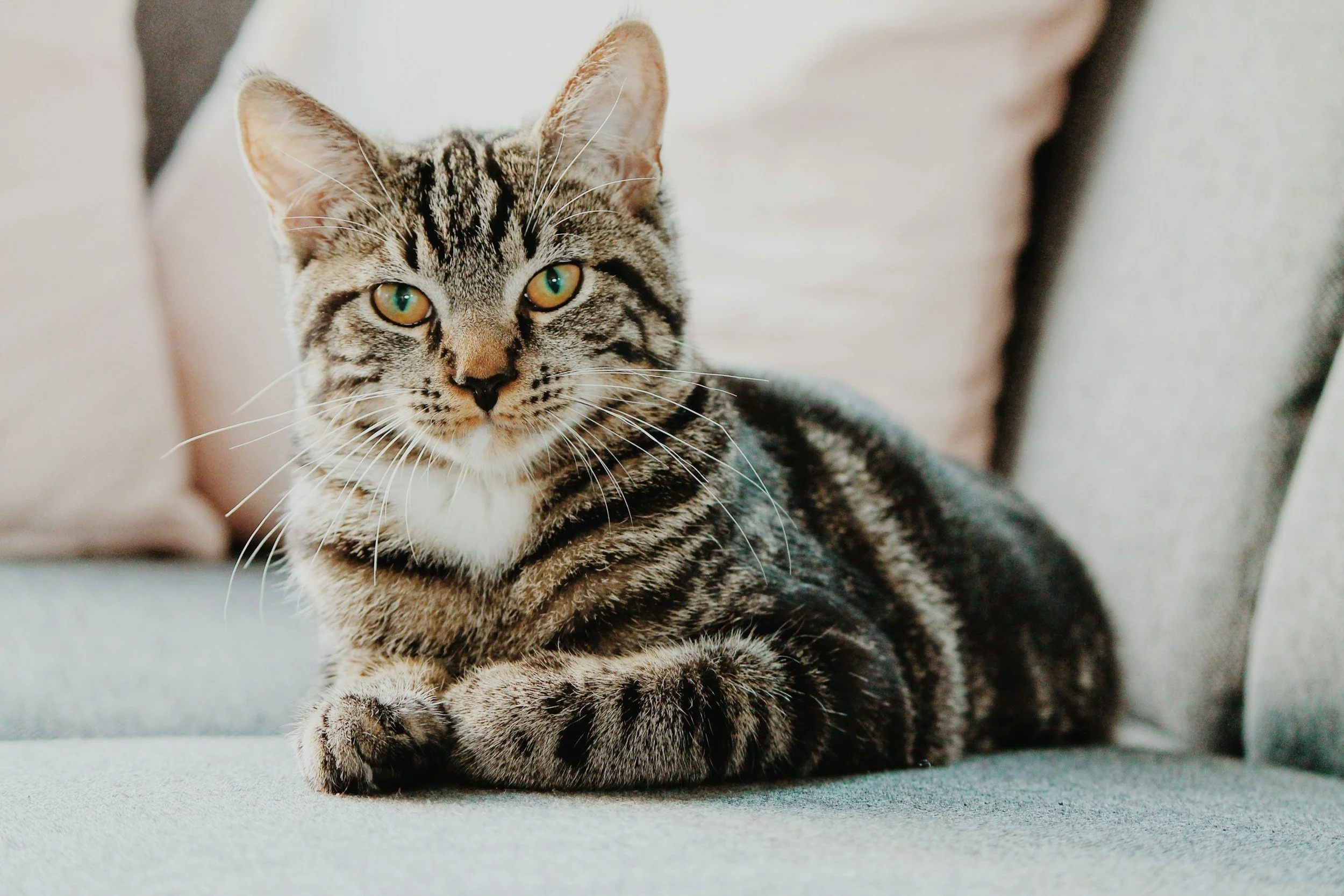
New test at WSU can flag drugs that could be harmful to cats
A new test developed at Washington State University will help pharmaceutical companies, veterinarians and regulatory agencies identify drugs that may trigger severe — but preventable — neurological side effects in some cats.
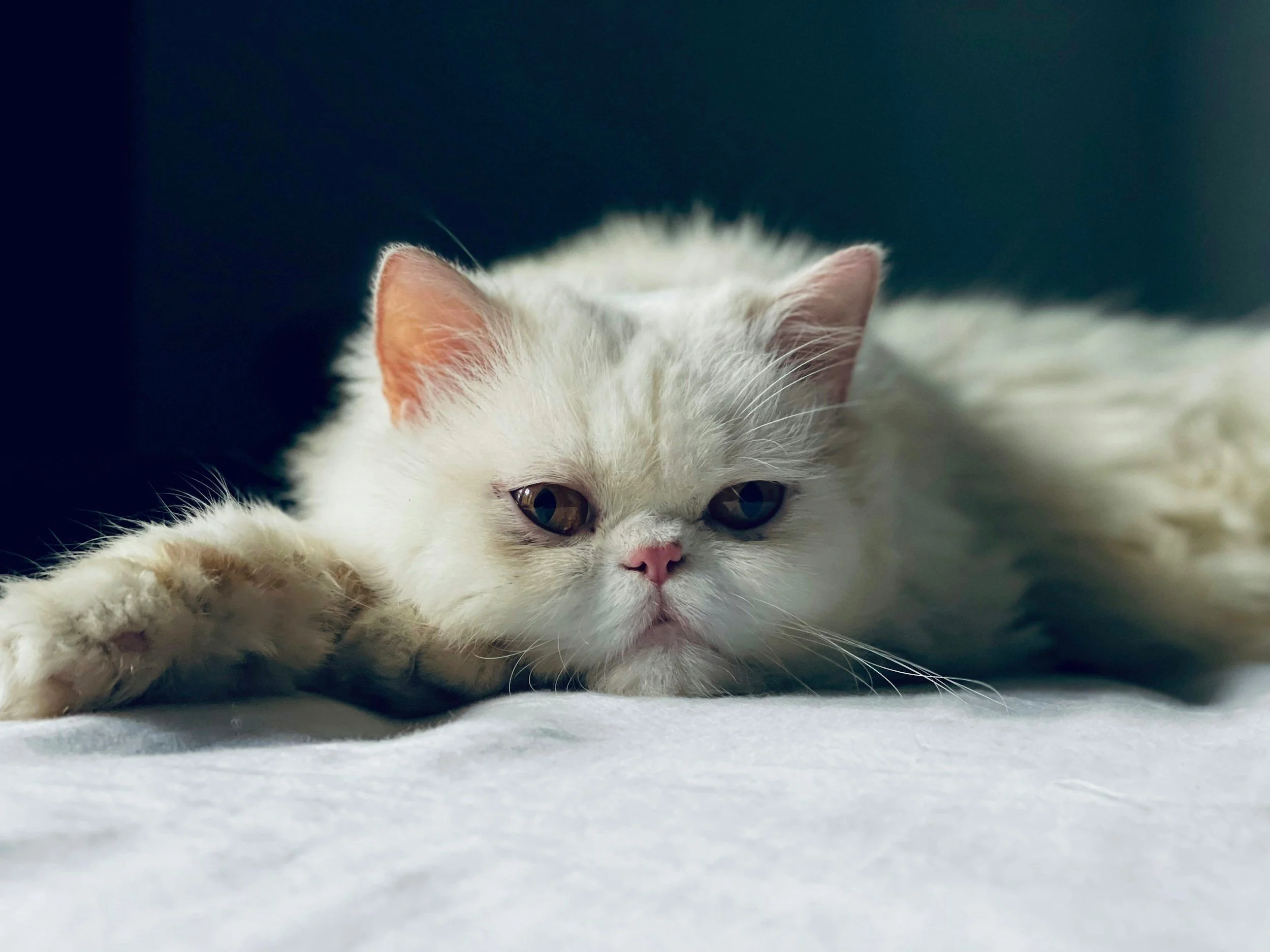
Gabapentin in Cats: Sedation, Analgesia, and Behavioral Effects
Gabapentin has become an increasingly important tool in feline veterinary medicine due to its sedative, analgesic, and anxiolytic properties. Veterinary visits can be stressful for cats, with fear-based behaviors often complicating examinations and procedures. Addressing these challenges is critical for both patient welfare and practitioner safety.
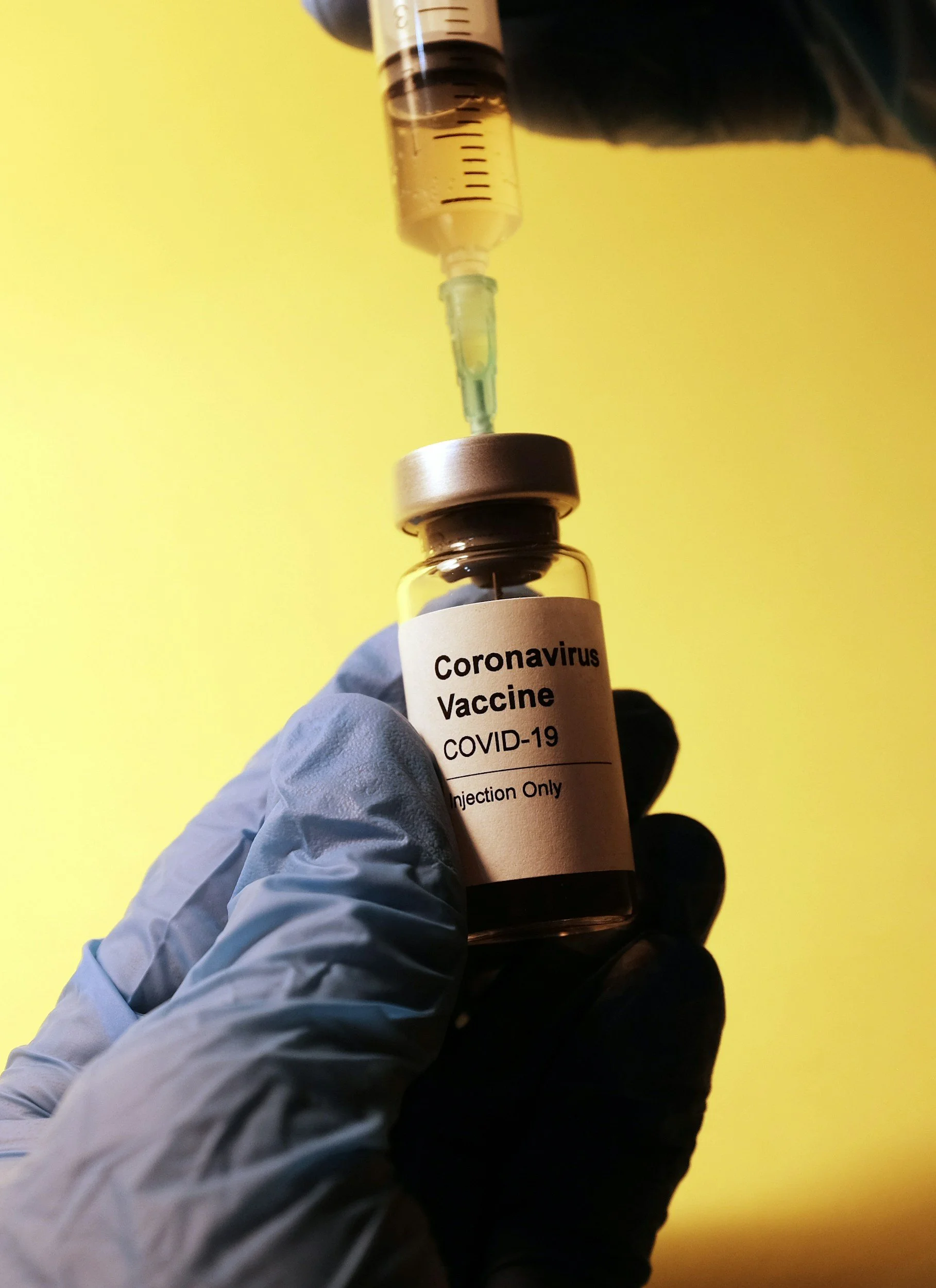
SARS-CoV-2 Vaccination in Non-Domestic Species: Insights from the Toronto Zoo
The SARS-CoV-2 pandemic has highlighted the virus’s broad host range, including susceptibility in non-domestic mammals housed in zoological collections. Vaccination has been recommended for susceptible species, particularly to protect endangered populations, but data regarding vaccine safety and efficacy in exotic animals have been scarce.
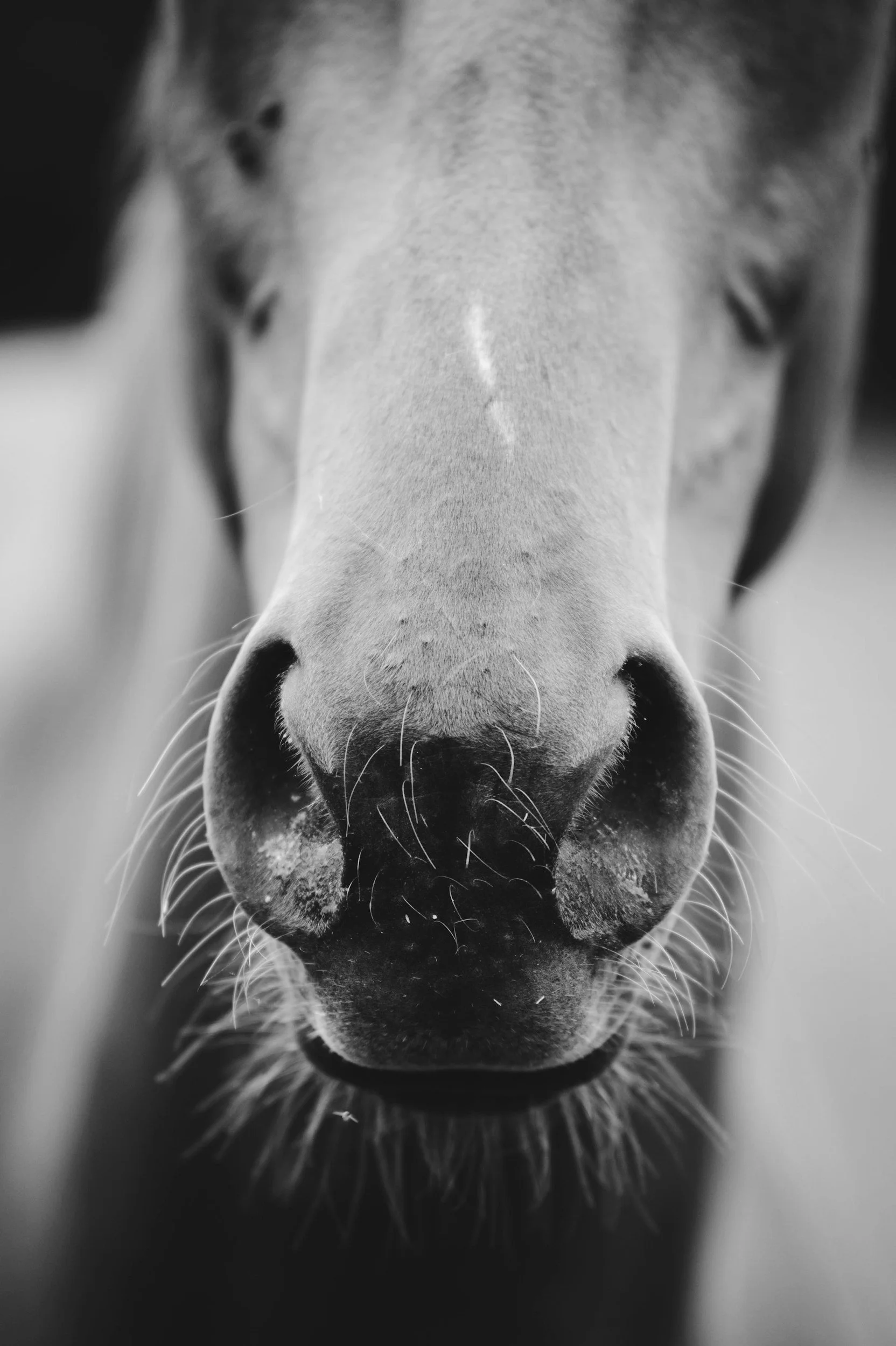
New scoring system for horse skin, coat condition provides insights into parasite impact
This work was led by Jenifer Nadeau, associate professor of animal science in the College of Agriculture, Health and Natural Resources (CAHNR). It was published as an abstract in the Journal of Equine Veterinary Science.

Bridle Choice May Not Drive Short-Term Stress in Horses, Research Shows
The type of bridle worn by a horse in dressage competitions is not the only factor affecting their stress levels, a new study has revealed.
Scientists from Aberystwyth University and the University of Portsmouth studied the complex effect of using a two-bit double bridle versus a one-bit snaffle bridle.