



Instinct Science and Cornell University Hospital for Animals Modernize Veterinary Care
Instinct Science, a leading provider of clinical-grade software for veterinary hospitals, today announced that the Cornell University Hospital for Animals (CUHA) has officially gone live with Instinct Treatment Plan, a next-generation digital platform that brings structure, clarity, and automation to patient care workflows.

Ivermectin blamed for death of Colorado woman; experts renew warnings about misuse of drug
A 74-year-old Colorado woman has died from “probable ivermectin toxicity,” according to the Douglas County Coroner’s Office. The death marks the state’s second fatality linked to the antiparasitic drug since 2020 and has prompted renewed warnings about the dangers of using veterinary formulations in humans.

Discrimination against LGBT+ individuals is a pervasive issue plaguing the veterinary profession, suggests new research
.A new study from the University of Surrey and the Royal Veterinary College has highlighted the ongoing presence of discrimination and its impact on lesbian, gay, bisexual, transgender, and other (LGBT+) veterinary professionals and students in the UK.
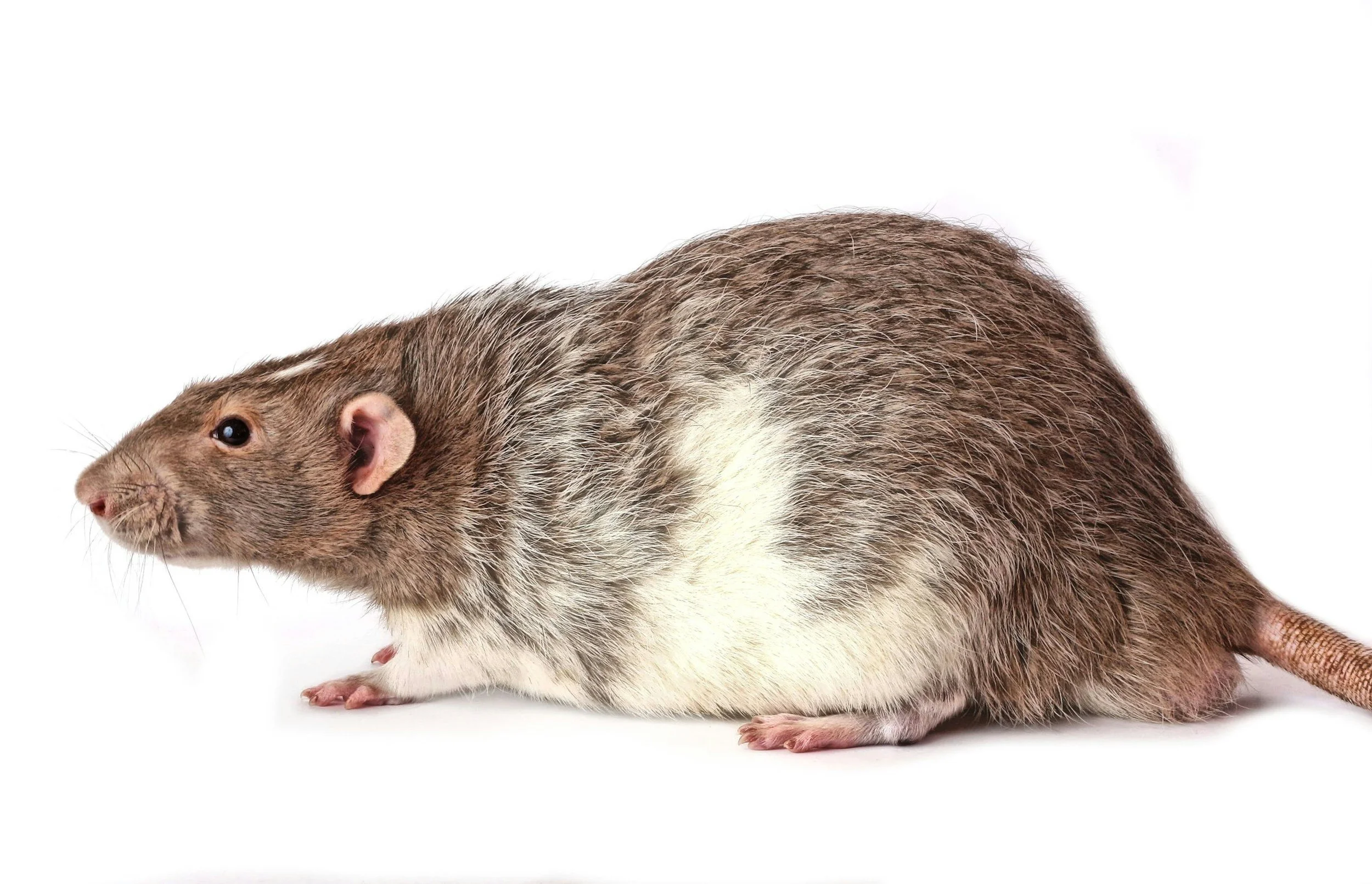
Rare virus transmitted by rats infects woman in Germany—link to private pet rat breeding facility
Doctors and scientists from the University Hospitals Leipzig (UKL) and Mannheim (UMM), and the German Center for Infection Research (DZIF) at the Friedrich-Loeffler-Institut (FLI) and the Bernhard Nocht Institute for Tropical Medicine (BNITM), reported a case of Seoul virus infection in a woman. The Seoul virus belongs to the hantavirus family and can be transmitted by rats.
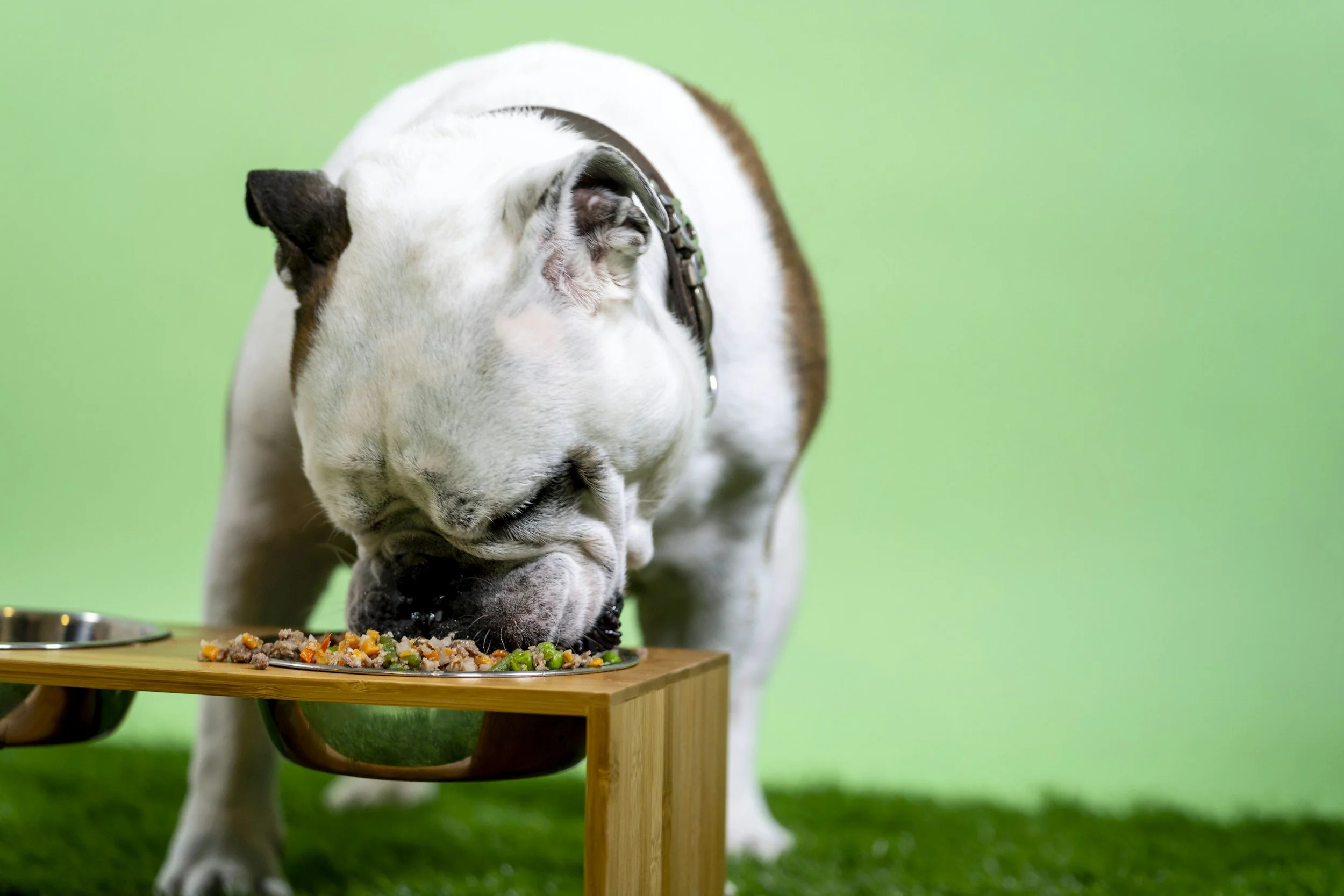
Canine metabolism responds better to fat than carbs, research suggests
A high-carbohydrate kibble diet and a low-carbohydrate raw meat-based diet have markedly different effects on dogs’ energy metabolism, according to a new study carried out by the DogRisk research group at the University of Helsinki.

Bird flu persists in raw milk cheese, according to Cornell
Raw milk cheese products contained infectious avian influenza virus when made with contaminated raw milk, creating potential health risks for consumers, according to a new study.