



When Anti-Parasitics Meet Wild Hosts: Rethinking Veterinary Treatments in Aquatic Species
This study investigates how veterinary anti-parasitic treatments affect wild European chub (Squalius cephalus) and their naturally occurring acanthocephalan parasites. Using bithionol, a common anthelmintic in aquaculture, researchers observed behavioral changes in fish, including increased opercular movements and altered spatial positioning, while key physiological markers remained unaffected. Surprisingly, acanthocephalan parasites showed no reduction in abundance, size, or reproductive output, suggesting potential resistance or environmental factorsaffecting drug efficacy.

From Lemonade Stands to Vet School: The Rise of Micah Howze
Micah Howze, a second-year veterinary student at Mississippi State University, is pursuing her passion for mixed animal medicine, exotics, and practice ownership. Originally from Ridgeway, SC, she is dedicated to serving underserved communities, advocating for diversity in veterinary medicine, and addressing challenges like burnout and mental health. Her mission is to foster stronger bonds between animals and people while inspiring the next generation of veterinarians.

H5N1 Avian Influenza Detected in Texas Dairy Herd; Sick Child Source Investigation in California Remains Unclear
H5N1 avian influenza has been confirmed in a Texas dairy herd, raising total U.S. herd infections since 2024 to 1,079. Recent outbreaks also include commercial turkeys in South Dakota and North Dakota. Meanwhile, investigation into a California pediatric H5N1 case suggests environmental exposure rather than poultry consumption. Veterinarians are urged to monitor livestock for unusual signs, implement biosecurity measures, and support One Health surveillance to mitigate interspecies transmission.
Botulism Outbreak Under Investigation in UK Cattle Herds
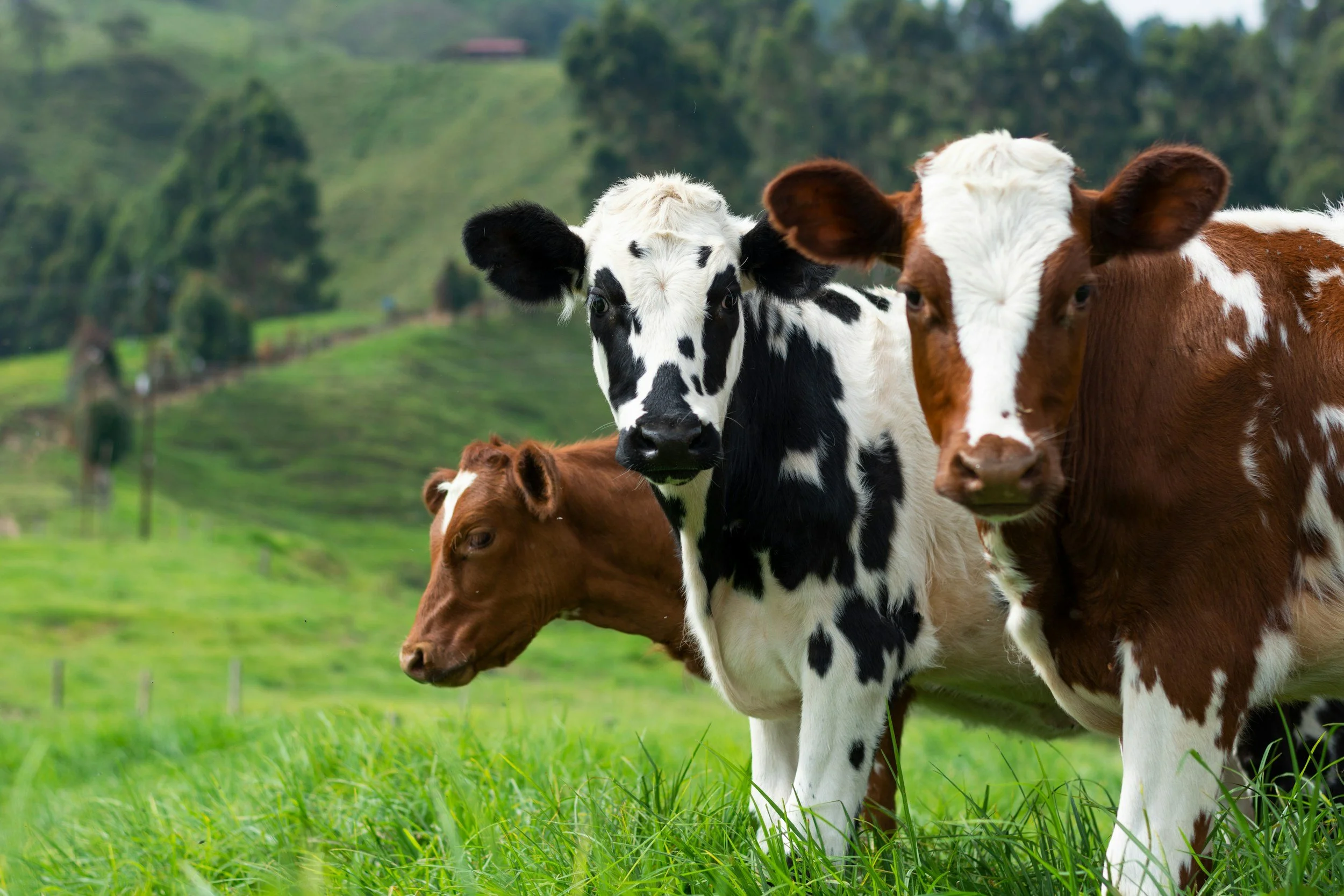
Significant losses from suspected botulism have been reported in cattle across Essex, Northamptonshire, and Shropshire. The Food Standards Agency (FSA) and Animal and Plant Health Agency (APHA) are investigating, with contaminated feed identified as a likely source. Affected feed has been withdrawn from sale.
Smart Livestock Tech: How Wearable Sensors Are Transforming Cattle Health Monitoring
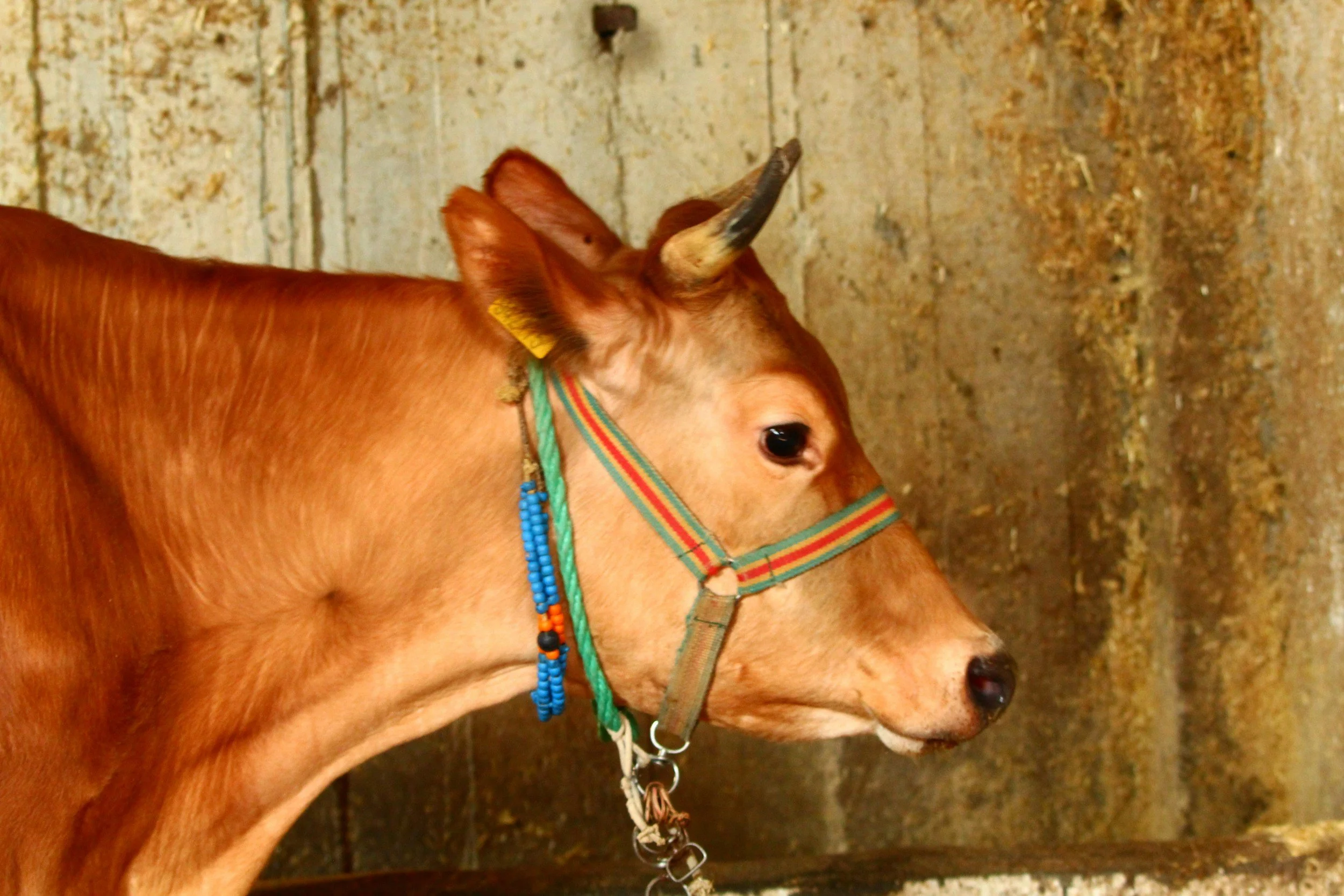
Smart livestock technology like CowManager ear sensors is revolutionizing cattle health monitoring by detecting illness, tracking reproduction, and improving animal welfare through real-time data. Veterinarians can use this technology to strengthen herd health management, reduce disease impact, and enhance preventive care strategies.
FDA Notifies Pet Owners That Tests Show H5N1 Contamination in Certain Lots of RAWR Raw Cat Food Chicken Eats
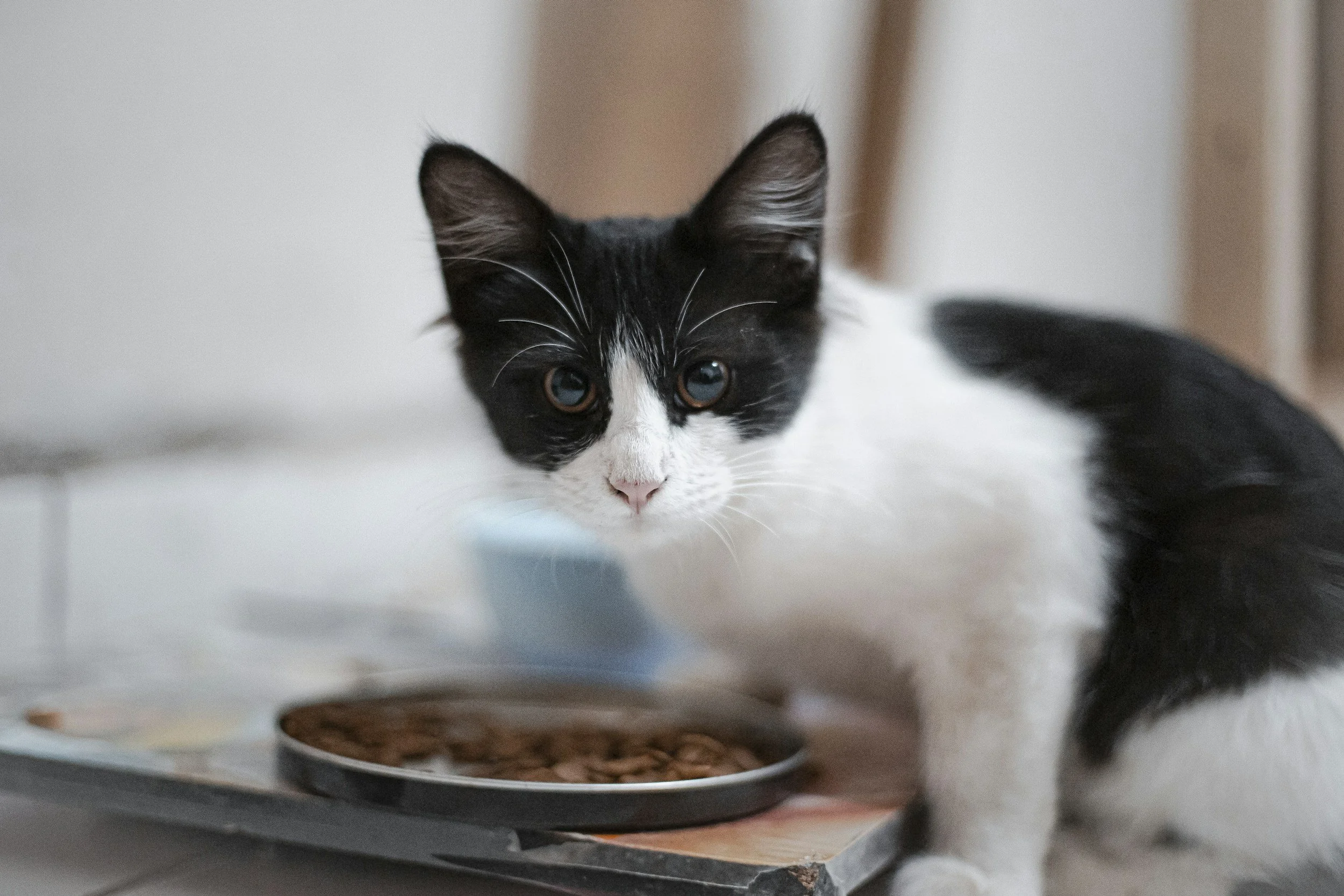
Following up on a case of H5N1 Highly Pathogenic Avian Influenza in a cat, testing performed by the U.S. Food and Drug Administration, state and local public health and agriculture partners, and federal partners suggests a link between the strain of H5N1 virus detected in the cat and in certain lots of RAWR Raw Cat Food Chicken Eats, a product the cat consumed before falling ill. FDA is sharing information about the testing for public awareness. The agency continues to investigate and will update this notice should new information become available.