



WSU Veterinary Students Showcase Cutting-Edge Research at National Symposium
Seven Washington State University veterinary students took center stage at the Veterinary Scholars Symposium in Spokane last weekend, presenting innovative research aimed at improving both animal and human health.

Beyond Animal Health: Elanco Fights Food Insecurity for 250 Families
Just a mile away from Elanco Animal Health’s soon-to-open headquarters, families in the area struggle to keep food on the table. To help, Elanco has launched a new initiative — Nutrition Secure Indy — designed to feed 250 local families for an entire year while studying how access to quality food impacts communities.
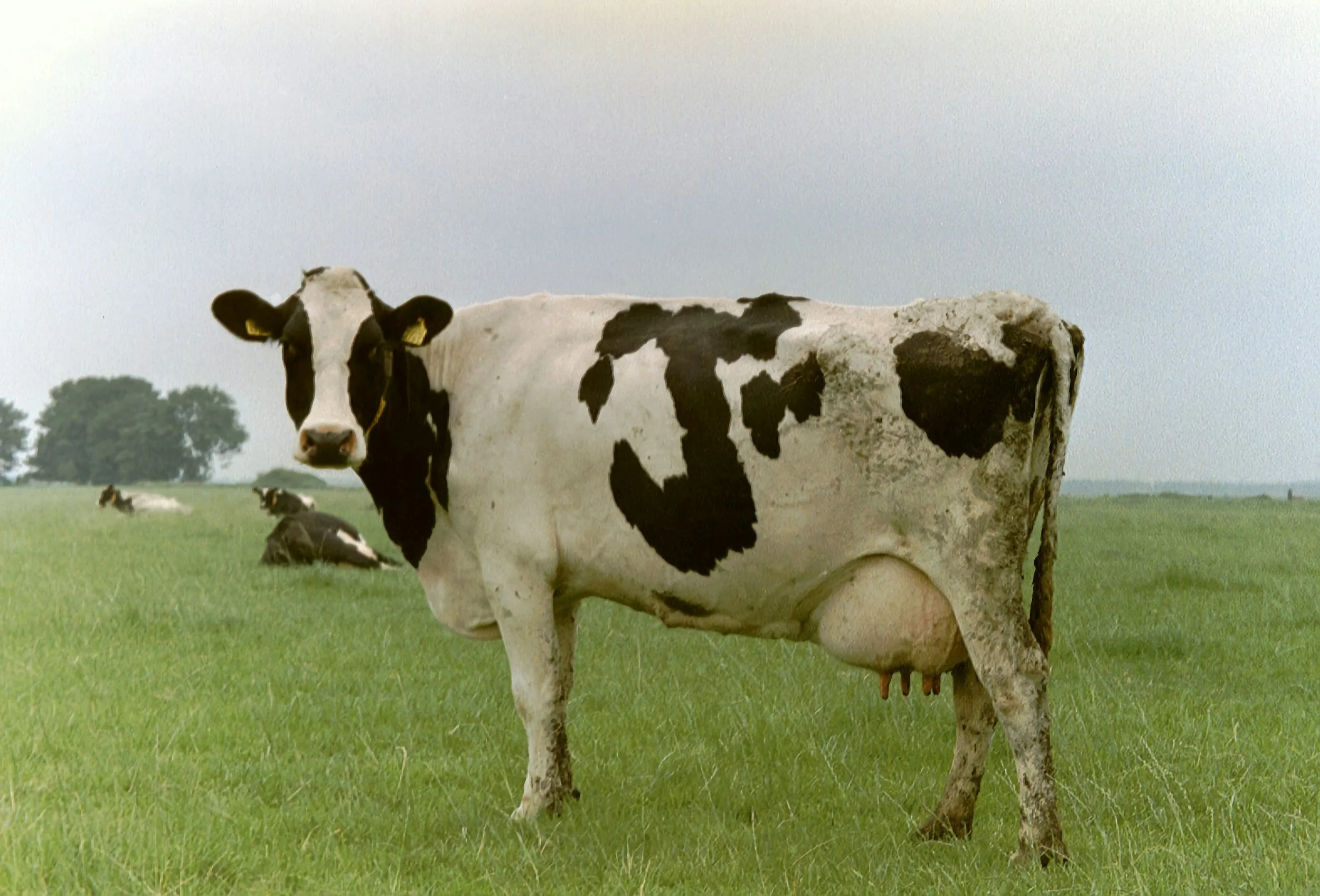
Addressing the bird flu outbreak requires a one health perspective integrating the entire dairy community
Since its emergence in US dairy cattle, highly pathogenic avian influenza (bird flu, H5N1) has defied control, spreading to other species and disrupting every stage of the dairy sector. A newly published invited review in the Journal of Dairy Sciencepresents the most comprehensive look yet at the virus’s impact and calls for a unified response.
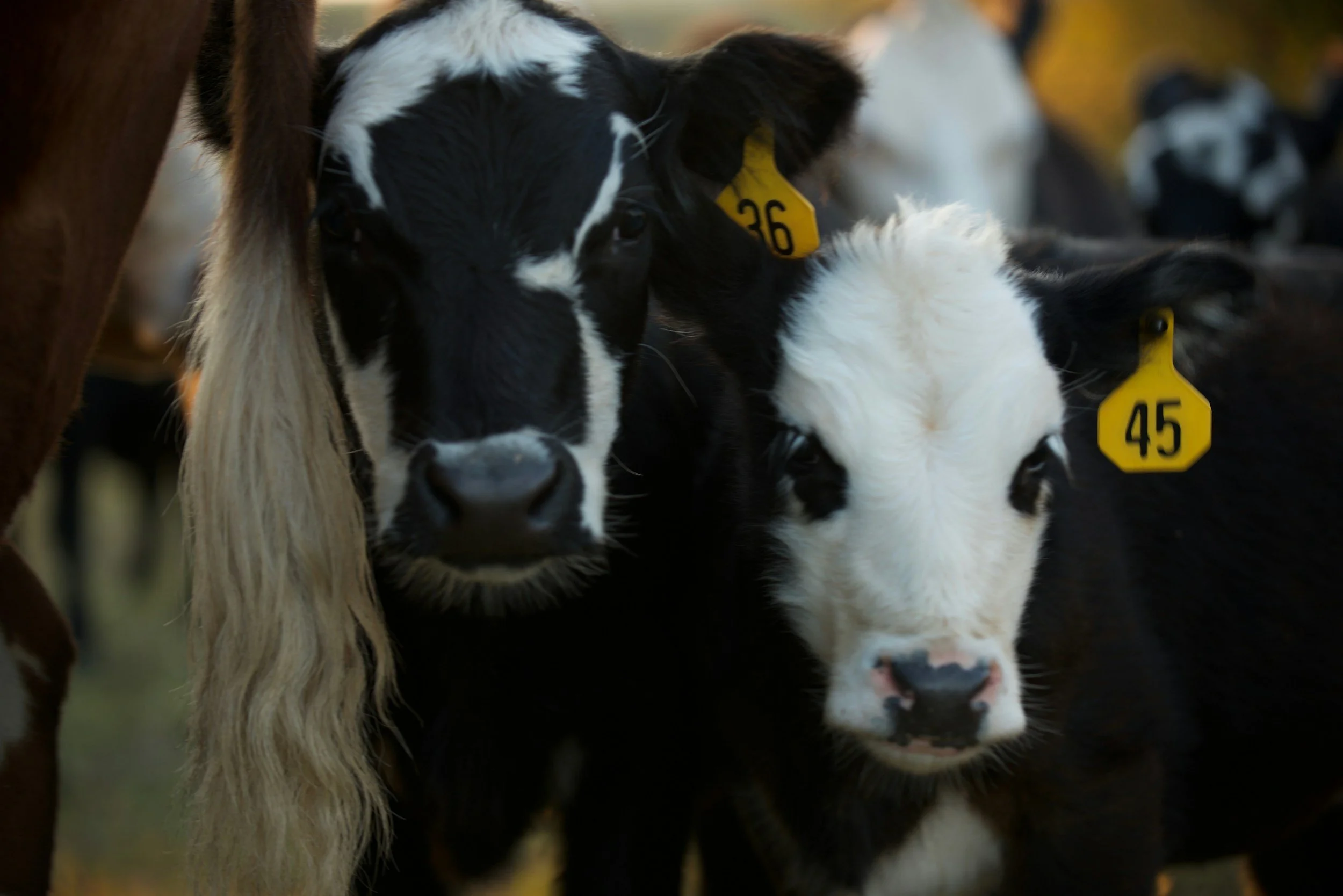
AI-enhanced infrared thermography for reliable detection of temperature patterns in calves
Traditional veterinary practices utilize rectal measurements to assess body temperature, but this method is stressful and does not capture continuous changes in body temperature. Fortunately, recent advancements have introduced infrared thermography, which can non-invasively measure body temperatures.
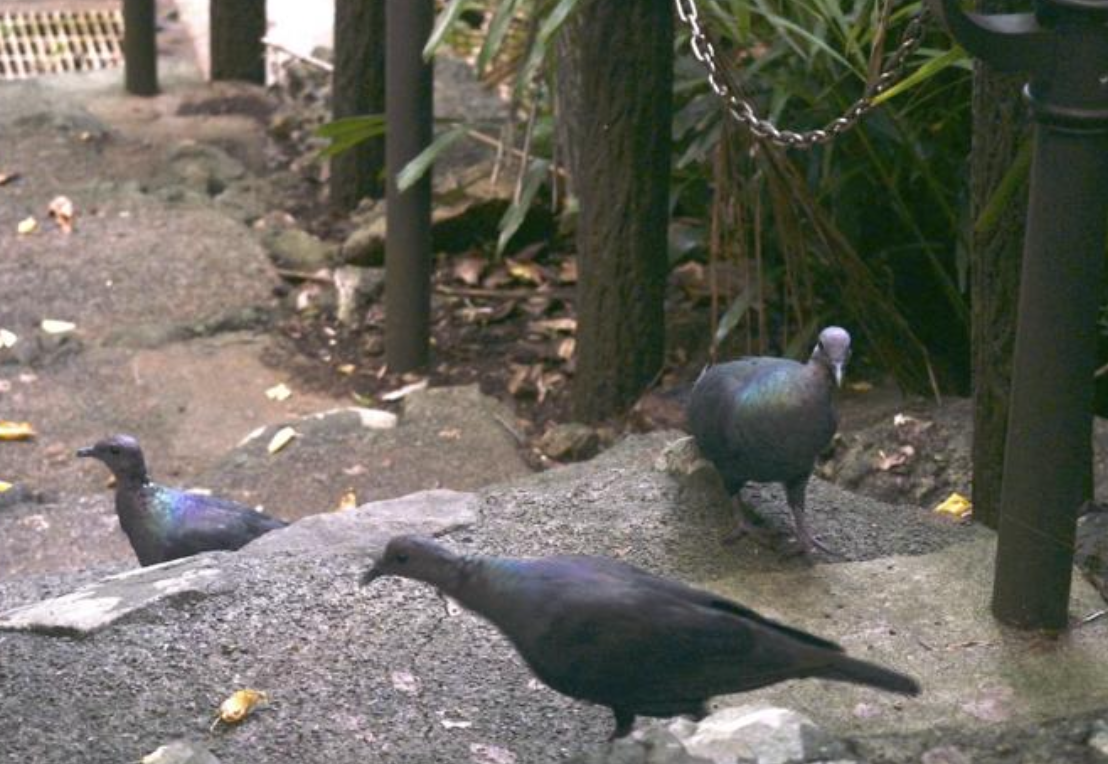
The Remarkable Comeback of Ogasawara’s Endangered Pigeon
For many endangered species, population decline to the brink of extinction leads to inbreeding, exposing a species to deleterious recessive mutations that severely limit its potential to recover. But the red-headed wood pigeon, endemic to the Ogasawara Islands in Japan, followed a different trajectory.

A new network could help predict health problems in your patients
A network analysis of more than 26,000 dogs and their health conditions helps reveal which diseases tend to go together, providing data that veterinarians and researchers can use to help treat the problems that dog man’s best friend face, according to a study published in the open-access journal PLOS Computational Biology by Antoinette Fang from the Fred Hutchingson Cancer Center in Seattle, Washington, USA, and colleagues.