


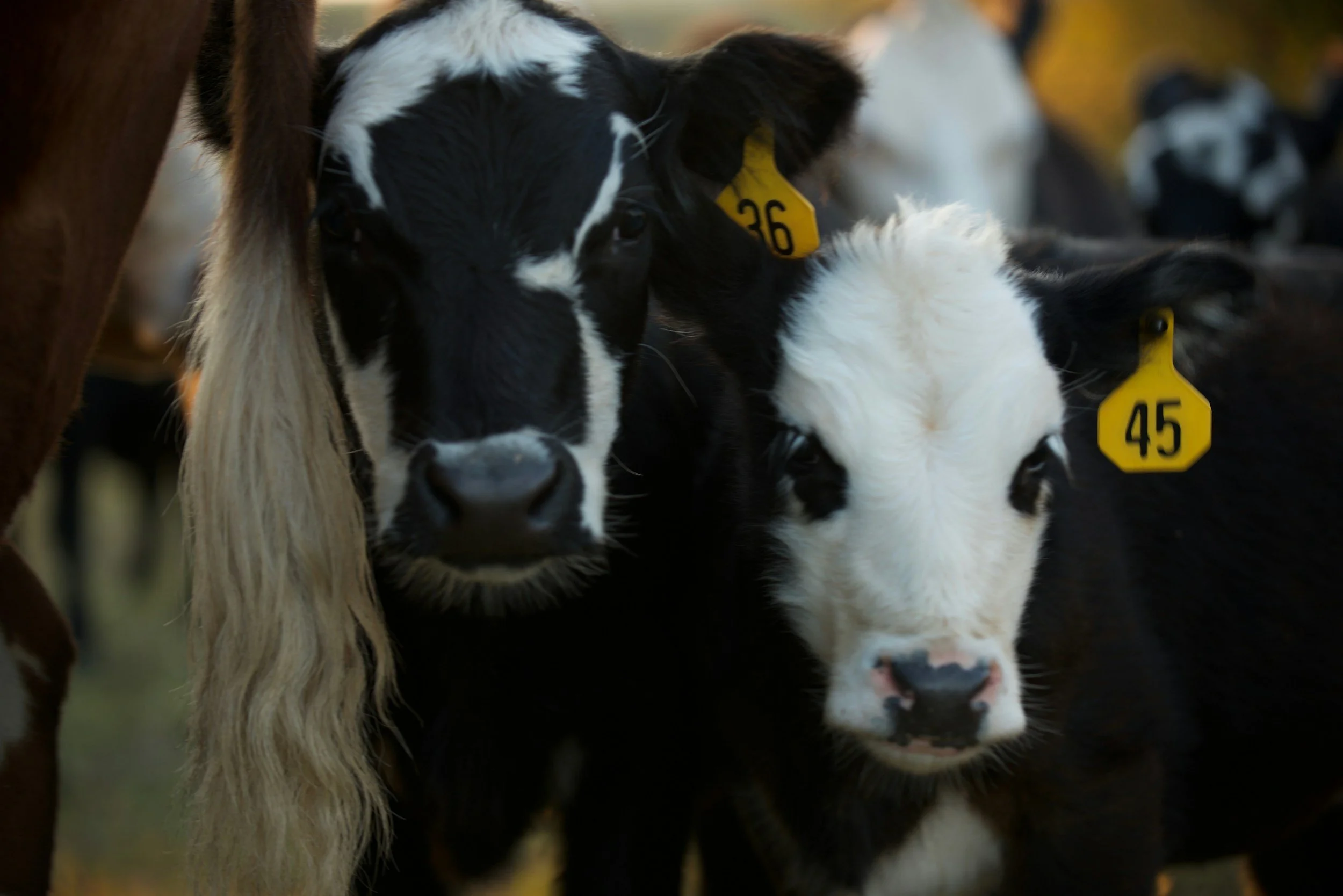
AI-enhanced infrared thermography for reliable detection of temperature patterns in calves
Traditional veterinary practices utilize rectal measurements to assess body temperature, but this method is stressful and does not capture continuous changes in body temperature. Fortunately, recent advancements have introduced infrared thermography, which can non-invasively measure body temperatures.
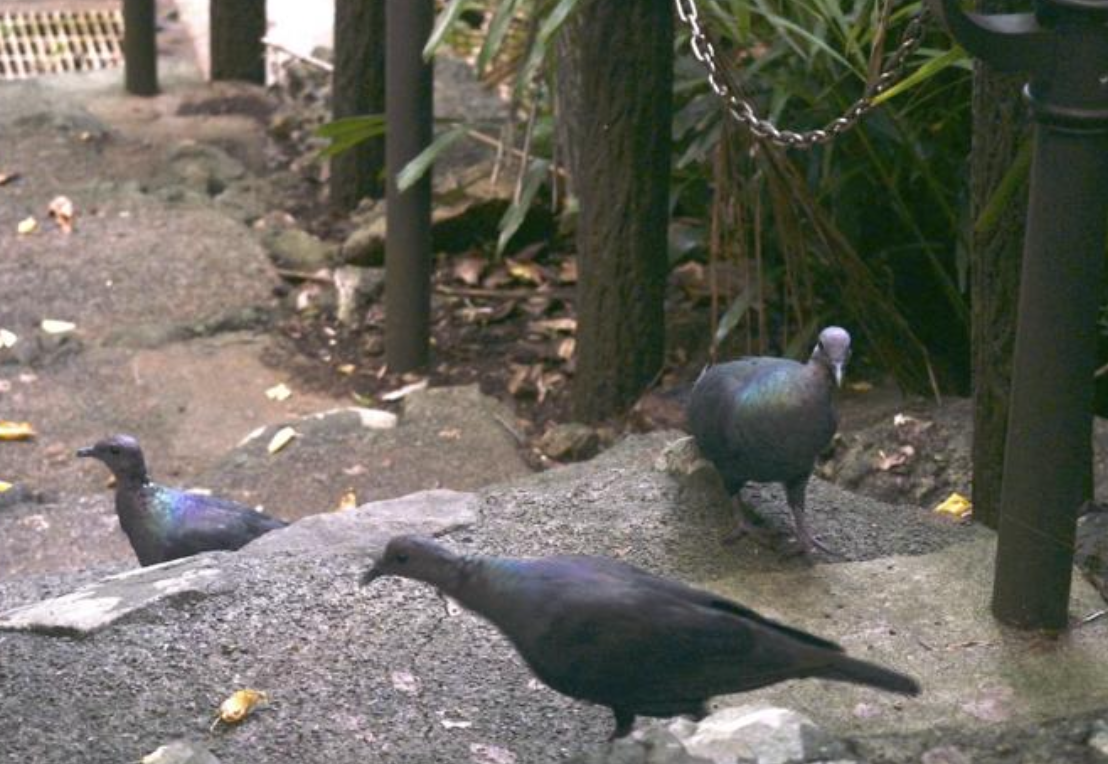
The Remarkable Comeback of Ogasawara’s Endangered Pigeon
For many endangered species, population decline to the brink of extinction leads to inbreeding, exposing a species to deleterious recessive mutations that severely limit its potential to recover. But the red-headed wood pigeon, endemic to the Ogasawara Islands in Japan, followed a different trajectory.

A new network could help predict health problems in your patients
A network analysis of more than 26,000 dogs and their health conditions helps reveal which diseases tend to go together, providing data that veterinarians and researchers can use to help treat the problems that dog man’s best friend face, according to a study published in the open-access journal PLOS Computational Biology by Antoinette Fang from the Fred Hutchingson Cancer Center in Seattle, Washington, USA, and colleagues.
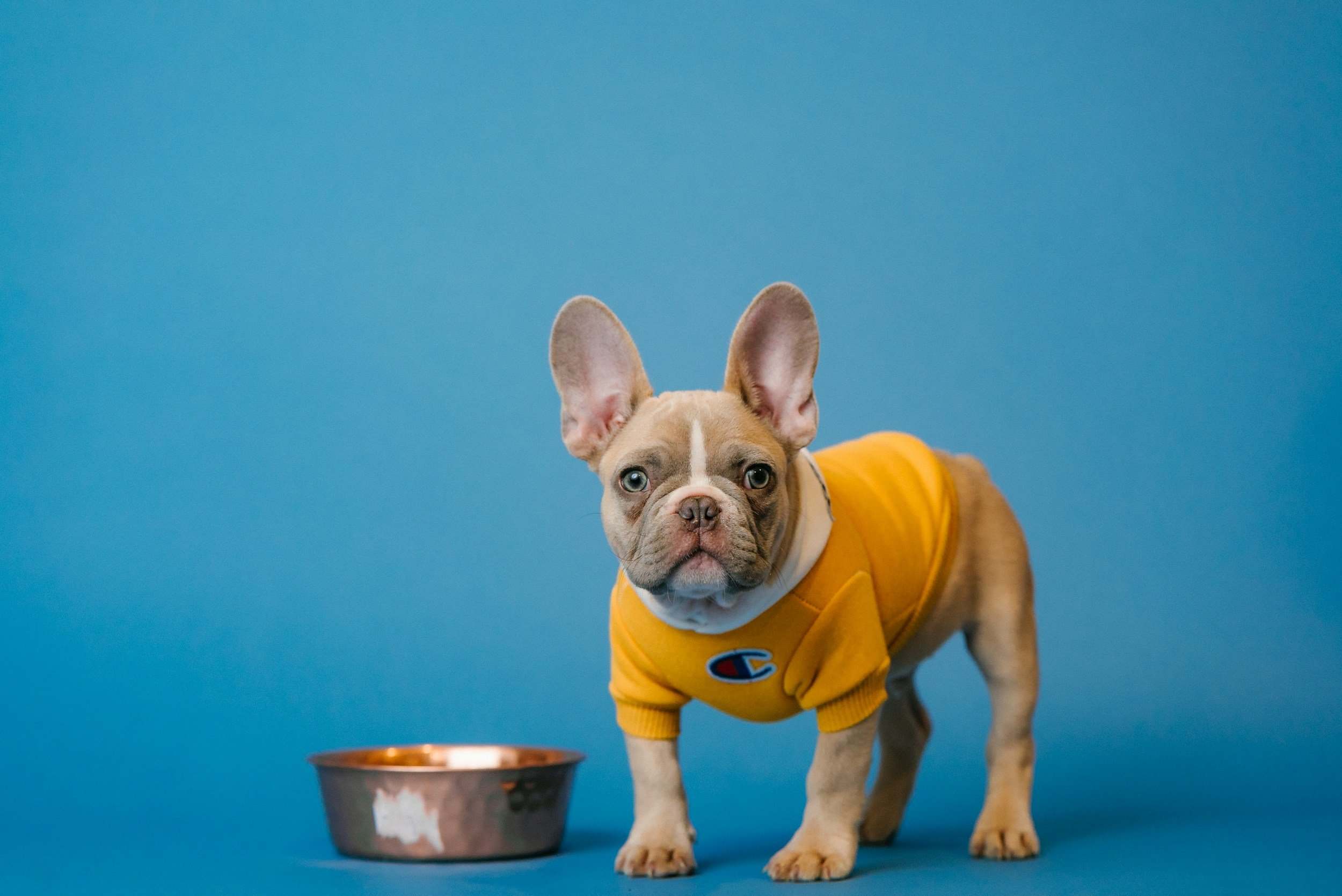
Toxic well water will affect household pets first, new study finds
Dogs drink water wherever they happen to find it — a puddle, a pond, a toilet. But the stuff in their actual water bowls almost always comes from the same tap their owners use. When that water is contaminated, both dogs and humans may suffer.

The Vet Candy Magazine Issue Everyone’s Talking About
Sponsored by PRN Pharmacal, creators of Reconcile® for canine separation anxiety. Reconcile® combines the proven power of fluoxetine with a vet-approved behavioral plan to help dogs live more relaxed, joyful lives. Discover more at reconcile.com.
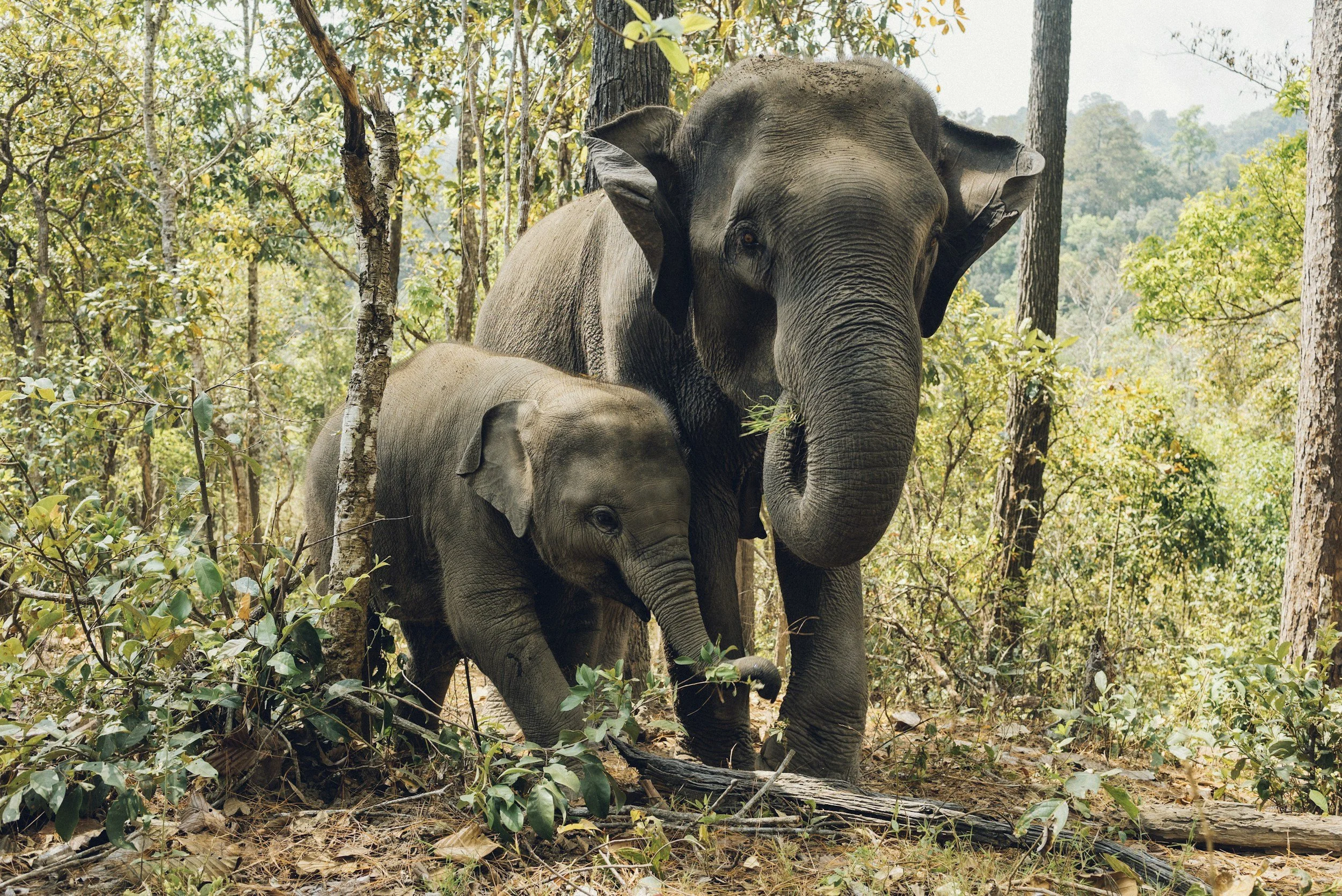
Too many male animals in zoos could hamper conservation of endangered species, warn scientists
The largest-ever study of over 2.6 million zoo birth records reveals skewed sex ratios in endangered species, from lemurs to elephants. The international team of scientists behind the study emphasise that it is vital that zoos take into account the ratios of males to females born in captivity when planning conservation projects and breeding programmes for endangered species to avoid the silent threat of having too many of one sex.