


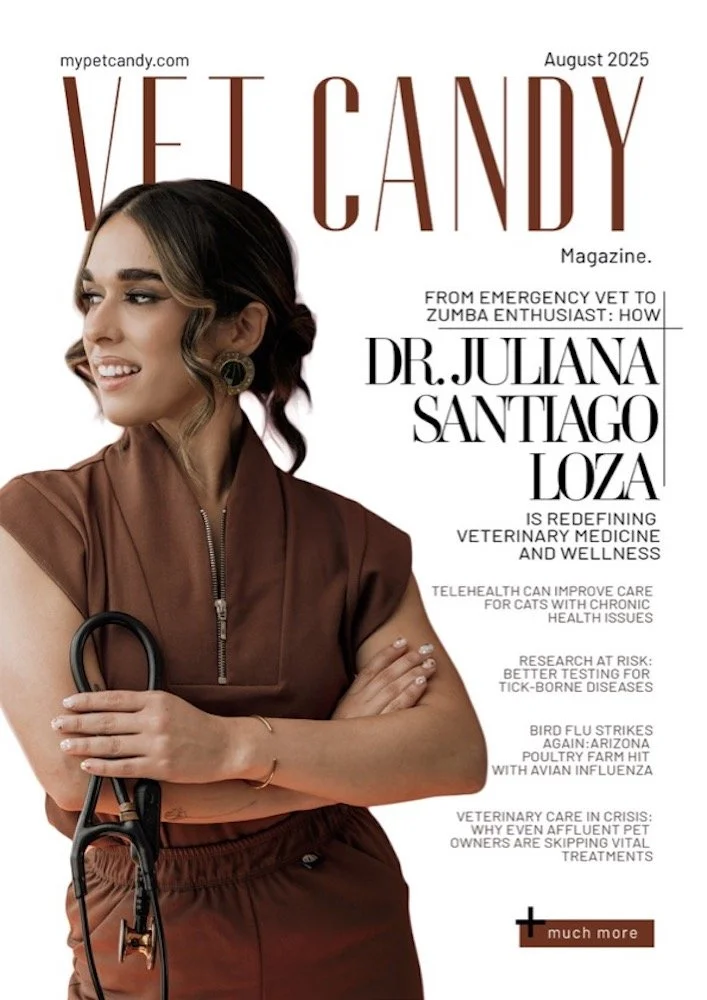
The Vet Candy Magazine Issue Everyone’s Talking About
Sponsored by PRN Pharmacal, creators of Reconcile® for canine separation anxiety. Reconcile® combines the proven power of fluoxetine with a vet-approved behavioral plan to help dogs live more relaxed, joyful lives. Discover more at reconcile.com.

Too many male animals in zoos could hamper conservation of endangered species, warn scientists
The largest-ever study of over 2.6 million zoo birth records reveals skewed sex ratios in endangered species, from lemurs to elephants. The international team of scientists behind the study emphasise that it is vital that zoos take into account the ratios of males to females born in captivity when planning conservation projects and breeding programmes for endangered species to avoid the silent threat of having too many of one sex.

Mechanistic Insights into Feline Hypertrophic Cardiomyopathy: Pathway Analysis Highlights Age and Sex Differences
This article summarizes a study investigating molecular mechanisms in feline hypertrophic cardiomyopathy (HCM) via pathway analysis of cardiomyocyte markers. The study highlights age-related declines in gene expression, increased marker levels in HCM-affected cats, and significant sex differences with males showing higher expression. Findings emphasize continuous myocardial adaptation and the role of age and sex in disease pathogenesis. Keywords include feline HCM, cardiomyocyte gene expression, age and sex in cat heart disease, and molecular pathogenesis of feline cardiomyopathy.

Cat Brains Age Like Humans: Pet Cats as Natural Models for Human Aging
Understanding how aging progresses across species is crucial for advancing research into age-related diseases and developing effective treatments. However, identifying animal models that age in ways closely comparable to humans—especially reaching equivalent advanced ages—has remained a challenge.
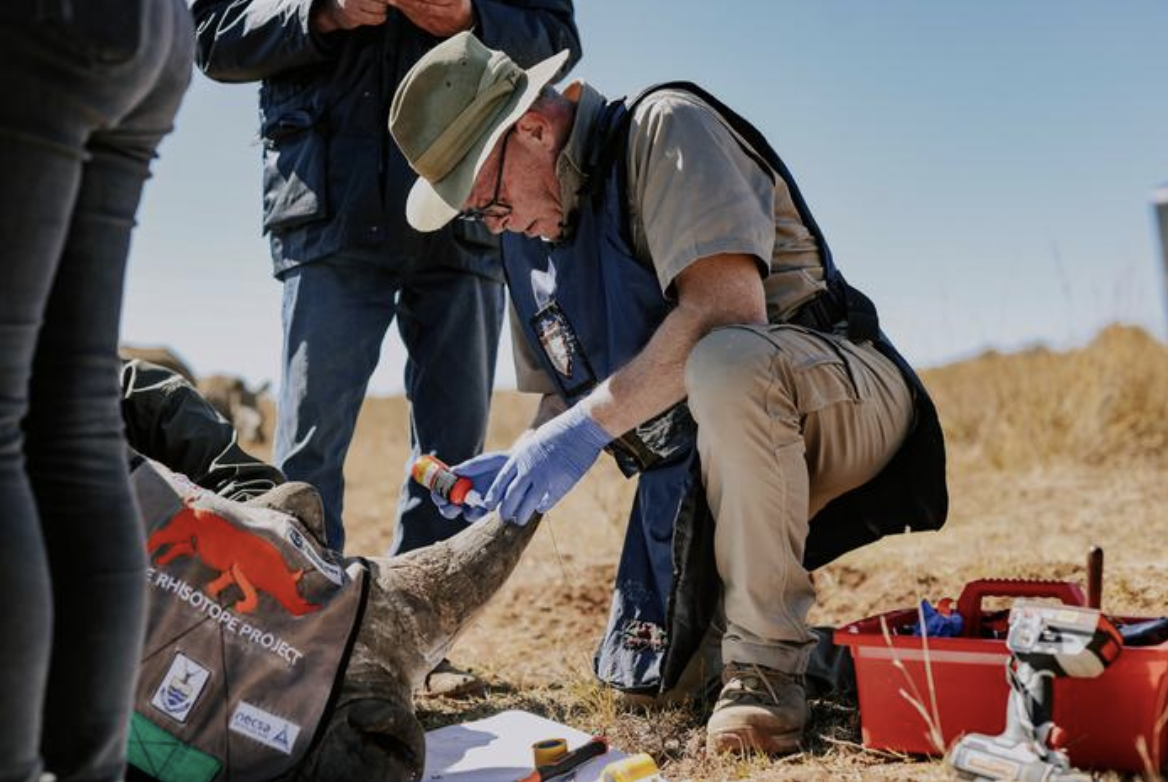
Rhisotope project goes live: scientific innovation offers new weapon against rhino poaching
After six years of intensive research and testing, the Rhisotope Project has officially reached operational status – where rhinos will effectively be protected through nuclear technology.

Predicting respiratory disorder mortality in dogs
Respiratory disorders in dogs can quickly become critical and are reported to be the second leading cause of cardiac arrest in canines. Therefore, it is necessary to take appropriate measures according to each patient’s condition. This, however, requires rapid and accurate disease severity assessments. In human medicine, scoring systems that incorporate physical examinations and blood tests results with respiratory function assessments exist, and enable more accurate severity assessments. In contrast, there are only a few reports on severity assessments that use tests other than respiratory function evaluations in veterinary medicine. Further, these evaluations usability remains unclear.